The European Commission is poised to exempt Poland from compulsory migrant relocation under the EU’s new migration pact, a decision that would ease political pressure on Warsaw and underscore how unevenly the bloc is applying its “mandatory solidarity” system.
Poland Likely Exempt From EU Migrant Relocation
The move matters because the mechanism is meant to turn burden-sharing into a binding part of EU asylum policy, yet in practice it is already being shaped by politics, legal workarounds and the limits of member-state willingness. Poland’s likely exclusion would show that frontline and transit states hosting large numbers of Ukrainian refugees, while also facing pressure on the eastern border, can still be treated differently from countries expected to take in relocated asylum seekers.
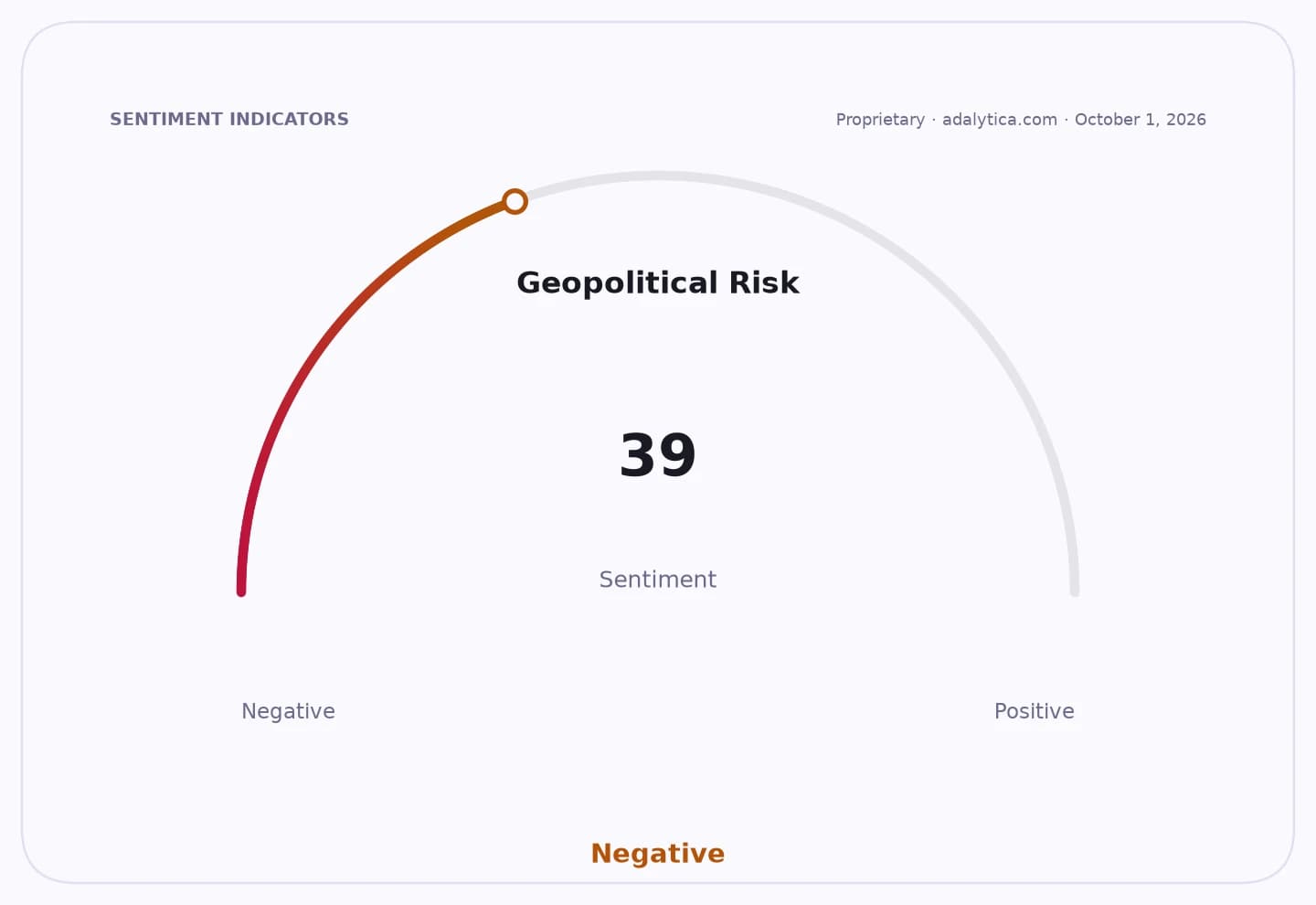
Sentiment Indicators
The commission is due to publish its migration assessment on Nov. 4, and officials cited by PAP said the recommendation will likely mirror last year’s conclusion that Poland faces both heightened migration pressure and a difficult migration situation. That would allow the Commission to propose that Poland be left out of the solidarity mechanism, with the Council of the EU expected to approve the decision as a formality.
Under the pact, member states can meet their solidarity obligations by contributing cash, technical support, equipment or by taking in migrants from states under pressure. For 2026, Brussels has proposed relocating 21,000 people and collecting 420 million euros in contributions, but member states have so far pledged to relocate fewer than 9,000. Germany alone was expected to take 4,500, though in practice Berlin has been handling asylum cases for people who moved onward from Italy and Greece, highlighting how the system is already being negotiated rather than mechanically enforced.
For investors, the story matters less through direct market impact than through the broader policy signal. A looser approach for Poland reduces near-term domestic political risk for a major EU economy on the bloc’s eastern flank, while also reinforcing the view that migration policy remains a source of friction inside Europe rather than a settled framework. That backdrop can influence sentiment toward the euro area more broadly, particularly at a time when EU institutions are simultaneously weighing stronger powers for Frontex and a tougher border posture.
The policy direction is clear: Brussels wants more tools to manage irregular migration, from relocations to stronger border enforcement. But the rollout is likely to remain patchy, with member states resisting mandatory burdens and governments in border countries pressing for exemptions. The key question for markets and policymakers is whether the EU can move from political symbolism to a system that actually redistributes pressure before the next migration shock tests the bloc again.
| Entity | Gains | Losses |
|---|---|---|
| Poland | ▲Exemption from relocations | ▼Less room for anti-Brussels messaging |
| European Commission | ▲Flexibility in applying pact | ▼Credibility of “mandatory” solidarity |
| Frontline EU states | ▲More recognition of pressure | ▼Continued burden from arrivals |
| Germany | ▲Greater room to steer cases informally | ▼Higher responsibility for asylum claims |