The European Union’s €1.82 trillion budget and pandemic recovery package is stuck in limbo as Germany warns that further delays would be “irresponsible,” raising the risk that Brussels may try to move ahead without Hungary and Poland.
EU budget deal stalls over rule-of-law dispute
The dispute matters because the package is the bloc’s main fiscal backstop for economies battered by COVID-19 and is also tied to long-term EU spending plans. If the stalemate drags on, funding for recovery programs, infrastructure and support for vulnerable member states could be slowed just as Europe faces renewed stress from soaring energy costs and a widening Ukraine-related funding gap.
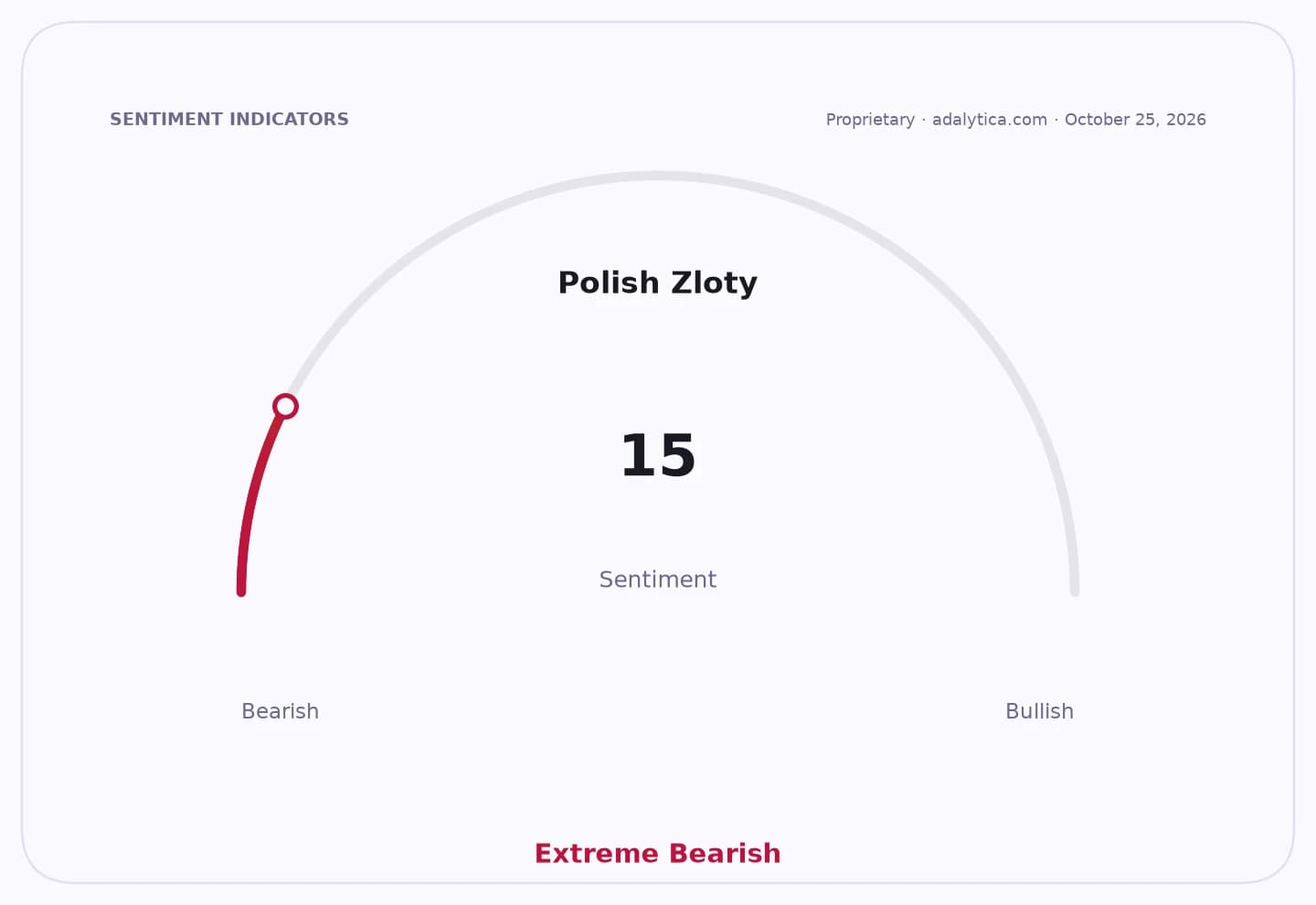
Sentiment Indicators
Polish Zloty
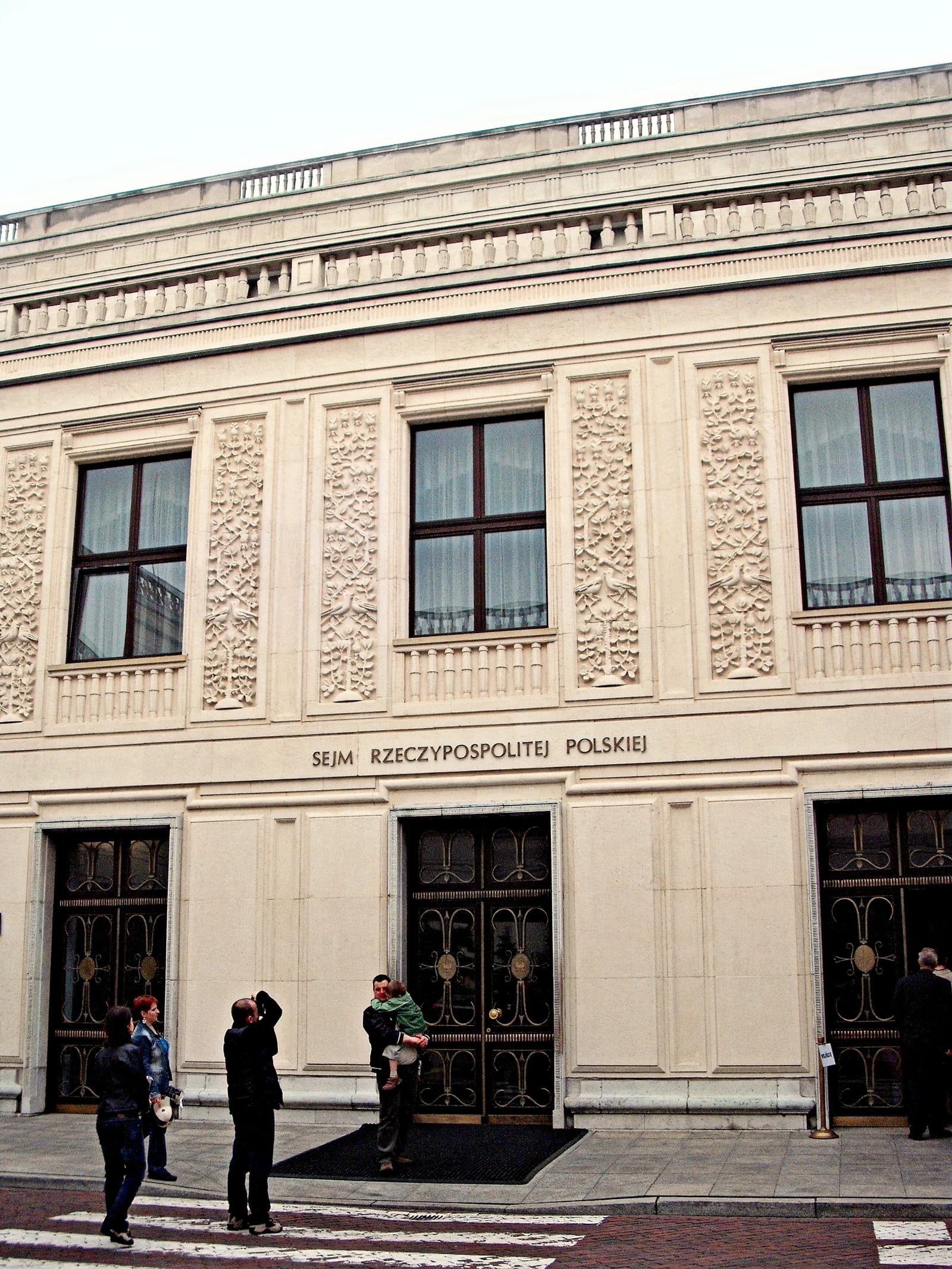
Germany’s Europe minister, Michael Roth, said the stimulus is crucial for countries whose economies have been devastated by the pandemic. But Hungary and Poland, which signed off on the deal in July, are blocking approval over a rule that would link EU funds to compliance with the bloc’s standards on rule of law.
That standoff has broader market implications beyond Brussels. A prolonged fight over fiscal transfers and governance could weigh on the euro, keep pressure on Eastern European assets and complicate investor expectations for how quickly EU support reaches the real economy. The euro is drawing strong sentiment in the Adalytica.com snapshot, but the EU debt-rules gauge remains weak, underscoring how political friction is clouding confidence in the bloc’s fiscal framework.
For investors, the immediate issue is execution risk: whether the recovery fund arrives on time, whether governments can bridge financing gaps, and whether the EU preserves policy credibility while trying to enforce conditionality. Any sign of compromise could support risk appetite in European assets, while a breakdown could sharpen scrutiny of sovereign spreads, regional growth forecasts and the euro’s near-term path.
The next catalyst is the ministers’ response in Brussels, where diplomats are increasingly discussing a workaround that could leave Hungary and Poland on the sidelines.
| Entity | Gains | Losses |
|---|---|---|
| EU recovery recipients | ▲Faster funding access | ▼Delayed stimulus |
| Hungary and Poland | ▲Leverage in negotiations | ▼Risk isolation |
| Euro-area growth outlook | ▲Relief if deal passes | ▼Slower recovery if stalled |
| Euro / EU assets | ▲Support from compromise | ▼Pressure from political deadlock |