The European Union’s push to join Russia-Ukraine peace talks matters because the shape of the переговоры may prove as important as the outcome itself: if Brussels is locked out, Europe risks being reduced to a payer rather than a decision-maker in the postwar security order.
EU Pushes to Join Russia-Ukraine Peace Talks
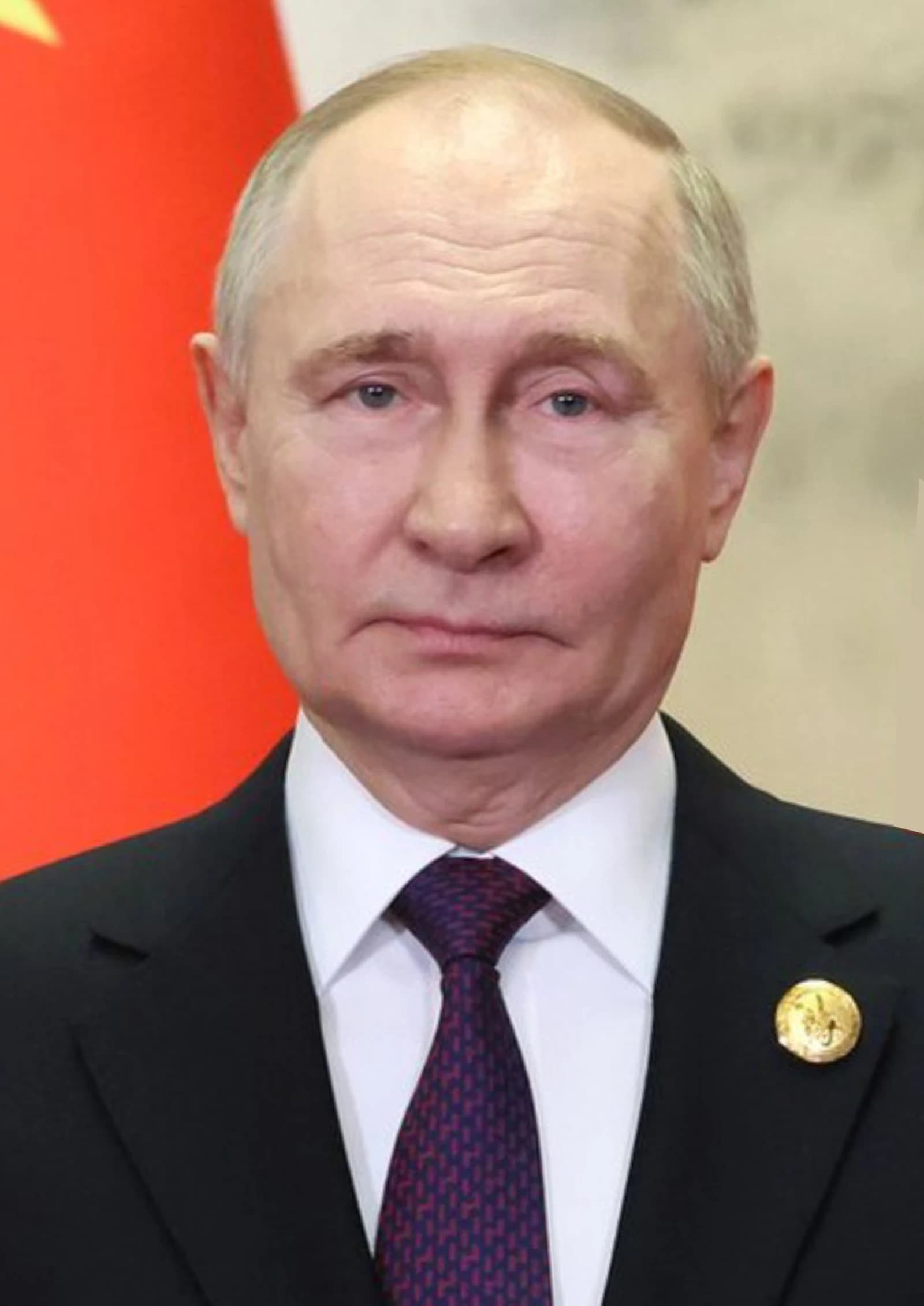
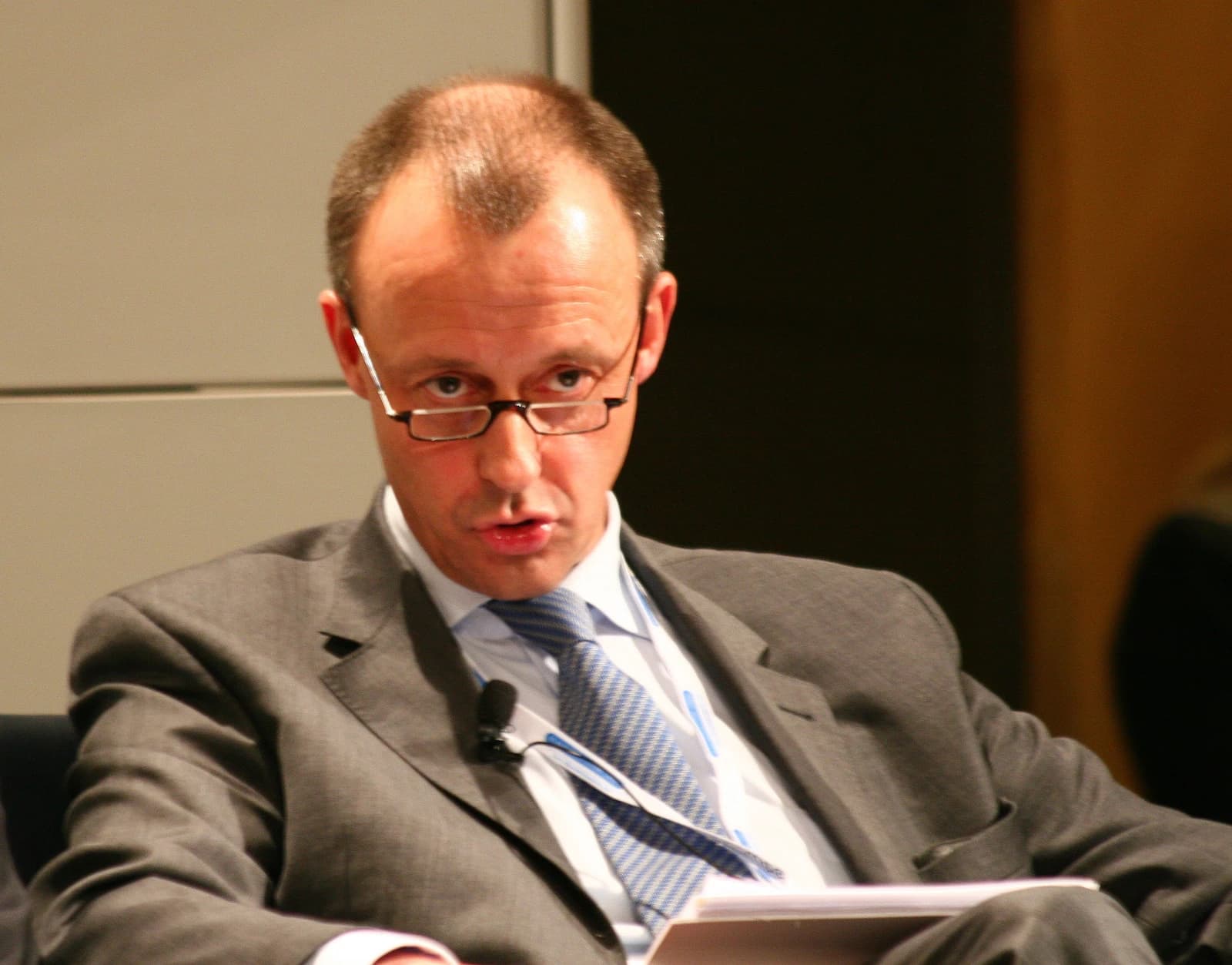
EU leaders have signaled they are ready to broaden upcoming discussions beyond a trilateral format involving Russia, Ukraine and the United States, but Moscow has rejected EU participation. That clash is not just procedural. It goes to the heart of whether any deal on Ukraine can be durable without Europe at the table, since the bloc would still be responsible for sanctions policy, reconstruction funding, border security and the long-term economic integration of Ukraine.
Sentiment Indicators
For investors, the stakes extend well beyond diplomacy. A multilateral track that includes the EU would improve the odds of coordinated sanctions relief, lower the risk of a fragmented Western response and support European assets most exposed to energy prices, trade flows and confidence. By contrast, a drawn-out argument over who gets a chair at the table keeps geopolitical risk elevated and leaves Europe vulnerable to another round of supply shocks, fiscal strain and defense spending pressure.
That uncertainty is showing up in the euro. FXE, the euro currency ETF, recently traded around 103.01, below both its 50-day moving average of 105.05 and its 200-day average of 106.38, a sign the currency remains under pressure even as short-term momentum stabilizes. The relative strength index has recovered to about 50, but the ETF is still below longer-term trend levels, suggesting the market has not yet priced in a decisive diplomatic breakthrough.
European equities are moving in the same uneasy pattern. The Germany-focused EWG ETF closed at 41.82, modestly above its 200-day average of 41.81 but still just under its 50-day average of 42.31. That positioning captures the market’s dilemma: Europe can rally on signs of de-escalation, but it remains highly sensitive to any breakdown in negotiations or renewed sanctions tension. A credible path to talks would help cyclicals, exporters and energy-intensive industries; a failure would likely keep defensive positioning in place.
The broader signal is that geopolitics remains a macro trade, not a headline risk to be ignored. Adalytica’s Global Stability Sentiment gauge sits at 100, labeled extreme greed, while awareness remains in extreme fear at 7, underscoring how quickly markets can swing between complacency and alarm. That disconnect argues for selective exposure, not broad beta.
My view is that the market underestimates how much leverage Europe still has over the eventual settlement, even if Russia is trying to keep the format narrow. The investable opportunity is not in chasing every diplomatic headline, but in positioning for the second-order effects: a stronger euro if Europe secures a role in the process, relief for German industrials and broader European equities if risk premium fades, and persistent support for defense and energy-security names if Moscow’s hard line prevails.
In other words, this is not just about who sits at the table. It is about whether Europe can convert geopolitical relevance into market relief — or whether investors will have to price in a longer, costlier standoff.
| Entity | Gains | Losses |
|---|---|---|
| EU institutions | ▲More influence in talks | ▼Marginalized in settlement |
| Russia | ▲Trilateral format leverage | ▼Broader multilateral pressure |
| Euro / FXE | ▲Peace premium if talks broaden | ▼Risk premium if rift deepens |
| German equities / EWG | ▲Lower energy and sanctions risk | ▼Slower sentiment recovery |