Hungary’s government says it could finance a slate of rail, metro, energy and flood-protection projects through 2029 if the European Union unfreezes 4.2 billion euros in cohesion funds, a release that would ease pressure on public investment after years of disputes over Brussels money.
Hungary Could Unfreeze 4.2B Euros for Rail Projects
Transport and investment minister Dávid Vitézy said on Facebook that the European Commission has given a positive assessment of Hungary’s steps and recommended releasing the remaining frozen 4.2 billion euros, or about 1.6 trillion forints. The final decision rests with the European Council, which represents EU member states.
Sentiment IndicatorsⓘProprietary · adalytica.com · September 28, 2026
This is a snapshot — live sentiment, awareness and momentum for 130+ markets update continuously in the dashboard.Open AlphaPulse
The money matters because it is tied to infrastructure spending that carries broader economic weight than a simple budget transfer. Vitézy said the funds would help pay for upgrades to railways, urban transit, energy projects, environmental and nature protection programs, as well as water management and flood defence.
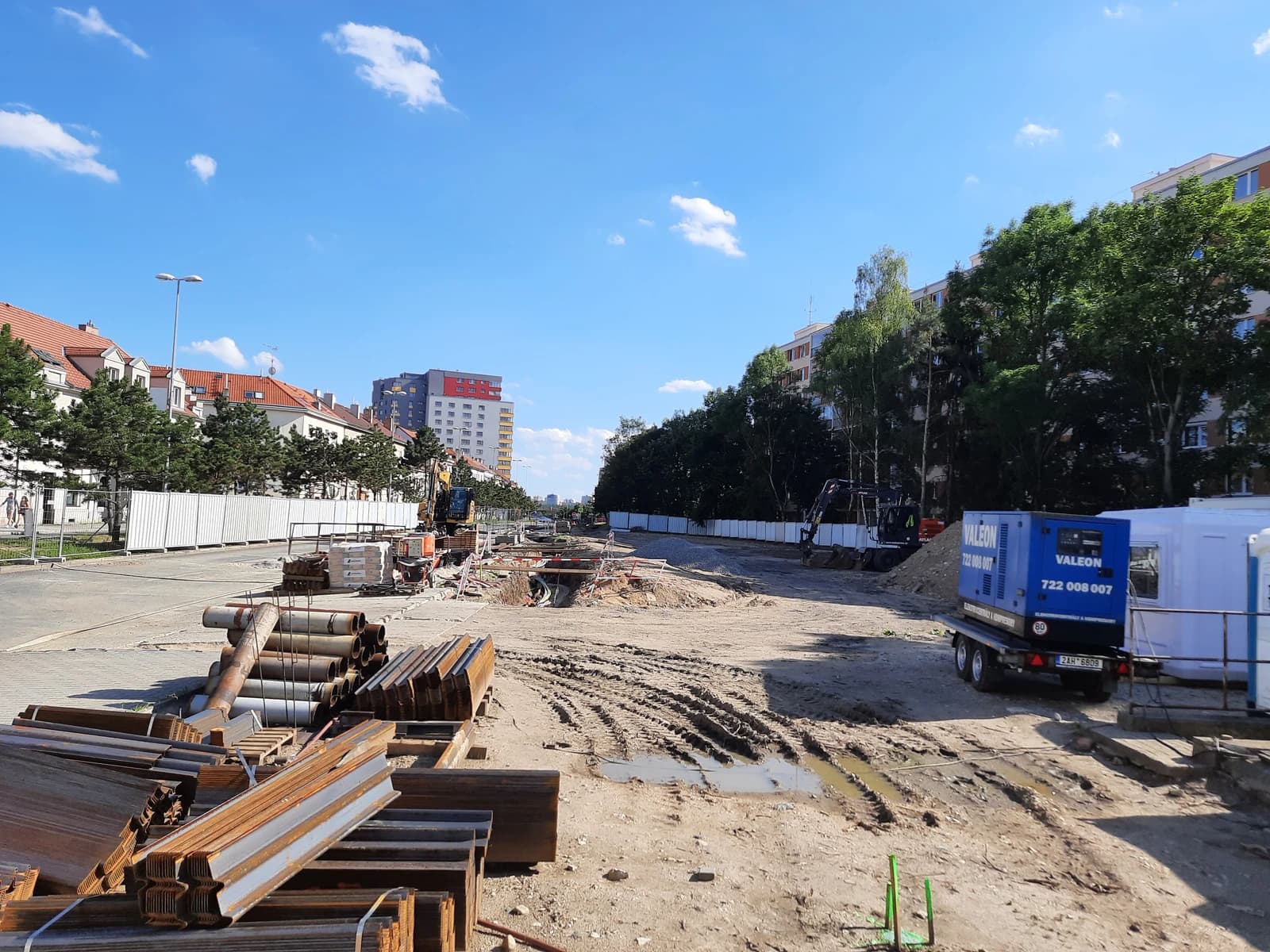
Among the projects cited are the renovation of Budapest’s H5 Szentendre, H6 Ráckeve and H7 Csepel suburban rail lines, an extension of Metro Line 3 from Újpest-Központ to Rákospalota-Újpest station, expansion of commuter rail around the capital and modernization of several regional rail lines. Those projects support construction activity, improve logistics and commuting times, and can lift productivity over a multi-year horizon.
Vitézy also said Hungary has already permanently lost 2 billion euros of the original 6.3 billion-euro envelope after the previous government failed to meet EU anti-corruption conditions in time. He said the lost sum is roughly equivalent to the cost of two Budapest metro extensions or the Hungarian section of the Budapest-Belgrade rail line.
For investors, the issue goes beyond domestic politics. Access to EU development funds helps shape Hungary’s capital spending, the outlook for construction contractors and transport suppliers, and the pace of fixed-asset investment in an economy that still relies on public works to support growth.
The decision also underscores how EU rule-of-law disputes can directly affect sovereign financing flexibility and project pipelines. A full release would likely reduce the need for the government to reshuffle spending toward core infrastructure, while another delay would keep pressure on investment plans into the second half of the decade.
| Entity | Gains | Losses |
|---|---|---|
| Hungarian government | ▲More capital spending room | ▼Pressure to fund projects from budget |
| Rail and construction contractors | ▲Bigger project pipeline | ▼Delays from frozen EU funds |
| Budapest commuters and regions | ▲Potential transport upgrades | ▼Slower modernization |
| EU Council / Brussels | ▲Leverage on compliance | ▼Criticism if release stalls |