Serbia will have to change its labor law to align with new international standards for platform work, a move that could force better protections and clearer status for workers at companies such as Wolt and Glovo while raising compliance costs for delivery platforms operating in the country.
Serbia to Change Labor Law for Platform Work

The push stems from a new International Labour Organization convention and the European Union’s platform work directive, which together are setting the first global and regional rules for dignity, rights and oversight in the fast-growing gig economy. The changes are expected to touch how platform workers are classified, what protections they receive and how much flexibility companies retain over their business model.
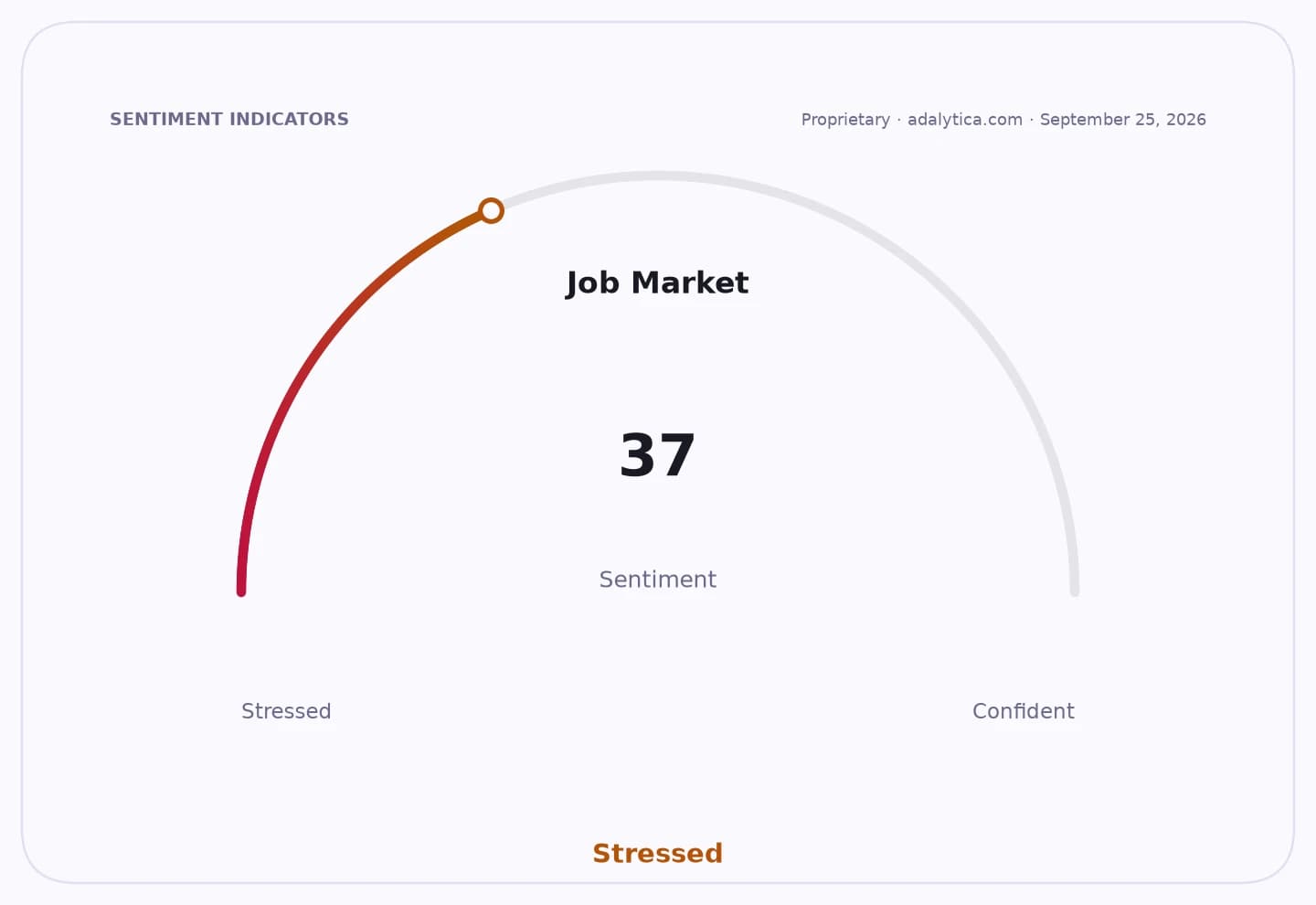
Sentiment IndicatorsⓘProprietary · adalytica.com · September 28, 2026
This is a snapshot — live sentiment, awareness and momentum for 130+ markets update continuously in the dashboard.Open AlphaPulse

The ILO said the need for legal updates was discussed at a tripartite workshop it organized with EU support and in cooperation with Re:People – Centre for Society and Technology. The convention and the EU directive were presented as a framework for bringing Serbia’s rules closer to international standards, signaling that the country’s labor code and related regulations will need to be revised in the coming period.
For investors, the issue matters beyond Serbia. Delivery and ride-hailing groups across Europe have already faced repeated legal challenges over contractor status, and tighter rules typically mean higher payroll taxes, social contributions, insurance obligations and possible wage-floor pressure. That can hit margins for platform operators, even as it reduces regulatory uncertainty over time.

The sector has been under sustained scrutiny as governments try to balance worker protections with the low-cost, on-demand model that has driven growth in food delivery and other app-based services. Companies including Uber, DoorDash and their local peers have repeatedly warned in filings that reclassification risk, labor claims and regulatory actions could lift costs and force changes to operating structures.
The Serbian overhaul would also carry economic significance for a labor market increasingly exposed to app-based work. Clearer rules could improve income security and social protections for couriers and other platform workers, while forcing platforms to adjust pricing, incentives and hiring practices in a market where competition for flexible labor remains intense.
The next test is how quickly Serbia turns the standards into law and how far it goes in tightening worker protections. Any draft changes will be closely watched by platform companies, workers and investors looking for signs of whether the country is moving toward a more regulated gig economy or preserving room for the current contractor model.
| Entity | Gains | Losses |
|---|---|---|
| Platform workers | ▲Better rights and protections | ▼Less legal ambiguity |
| Wolt, Glovo and peers | ▲Clearer rules over time | ▼Higher compliance costs |
| Serbian regulators | ▲EU alignment | ▼Pressure to enforce new standards |
| Investors in gig platforms | ▲Reduced long-term uncertainty | ▼Margin pressure near term |