Russia’s fast-growing self-employed regime has brought millions of workers into the tax net, but it is also sharpening a labour-market fault line that could force companies to choose between flexibility and compliance costs.
Russia self-employed regime raises labor classification risk
The core economic issue is that a system designed to formalise informal work can also be used to disguise full-time employment. That matters because the self-employed tax regime has become an important source of budget revenue and a channel for labour-market participation, while “pseudo-self-employment” can erode workers’ protections and distort competition between firms that rely on contractors and those that carry the higher costs of payroll employment.
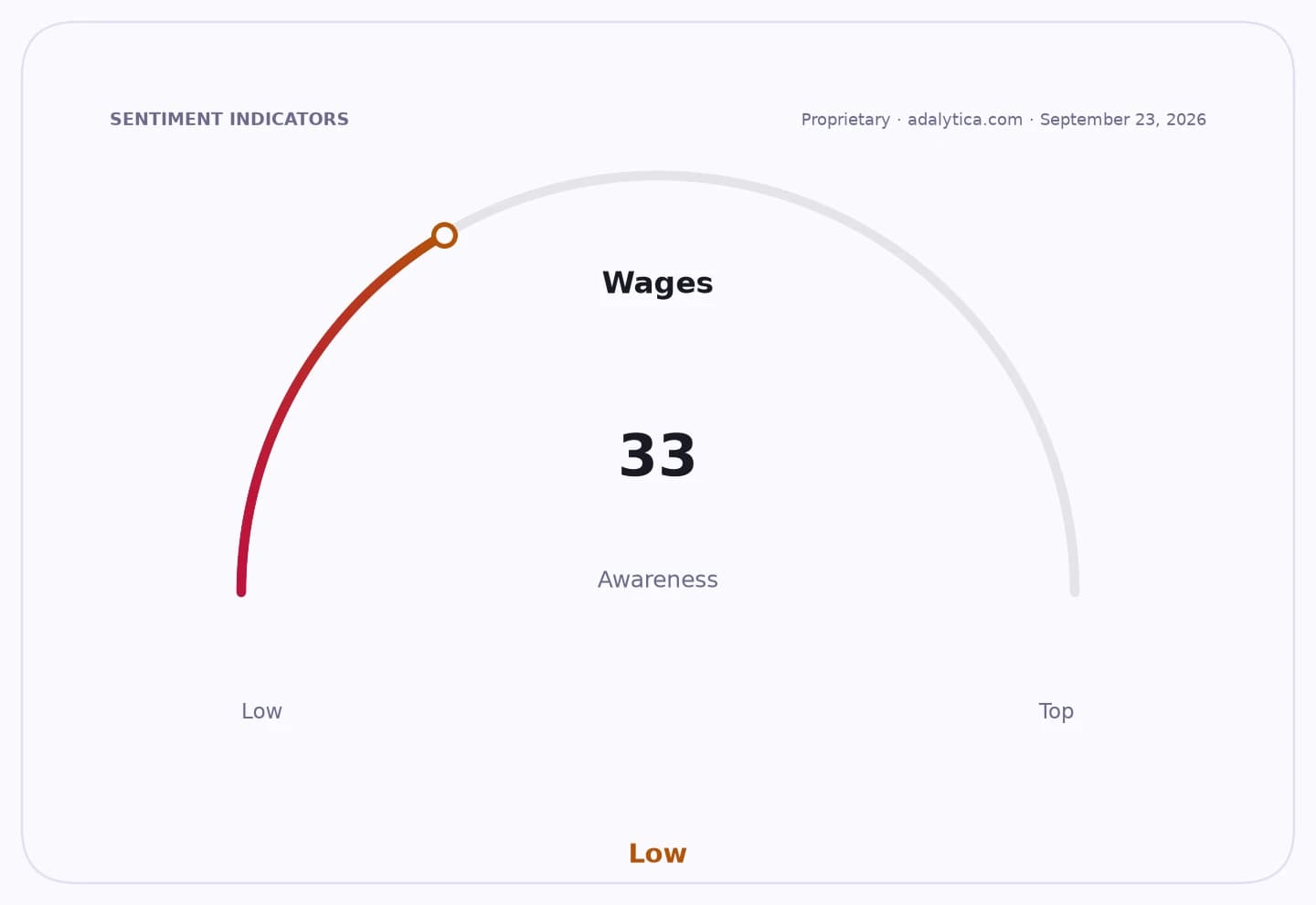
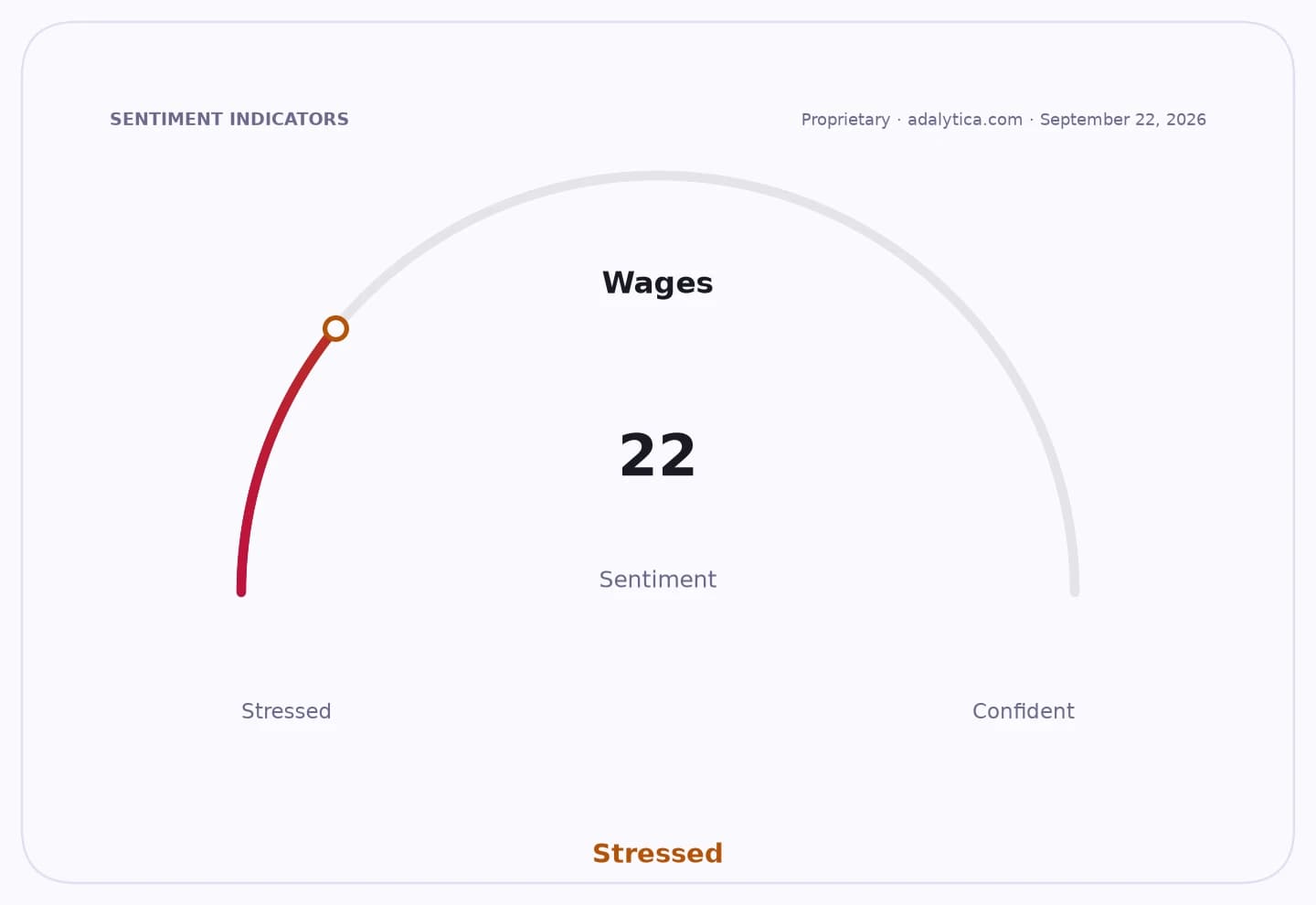
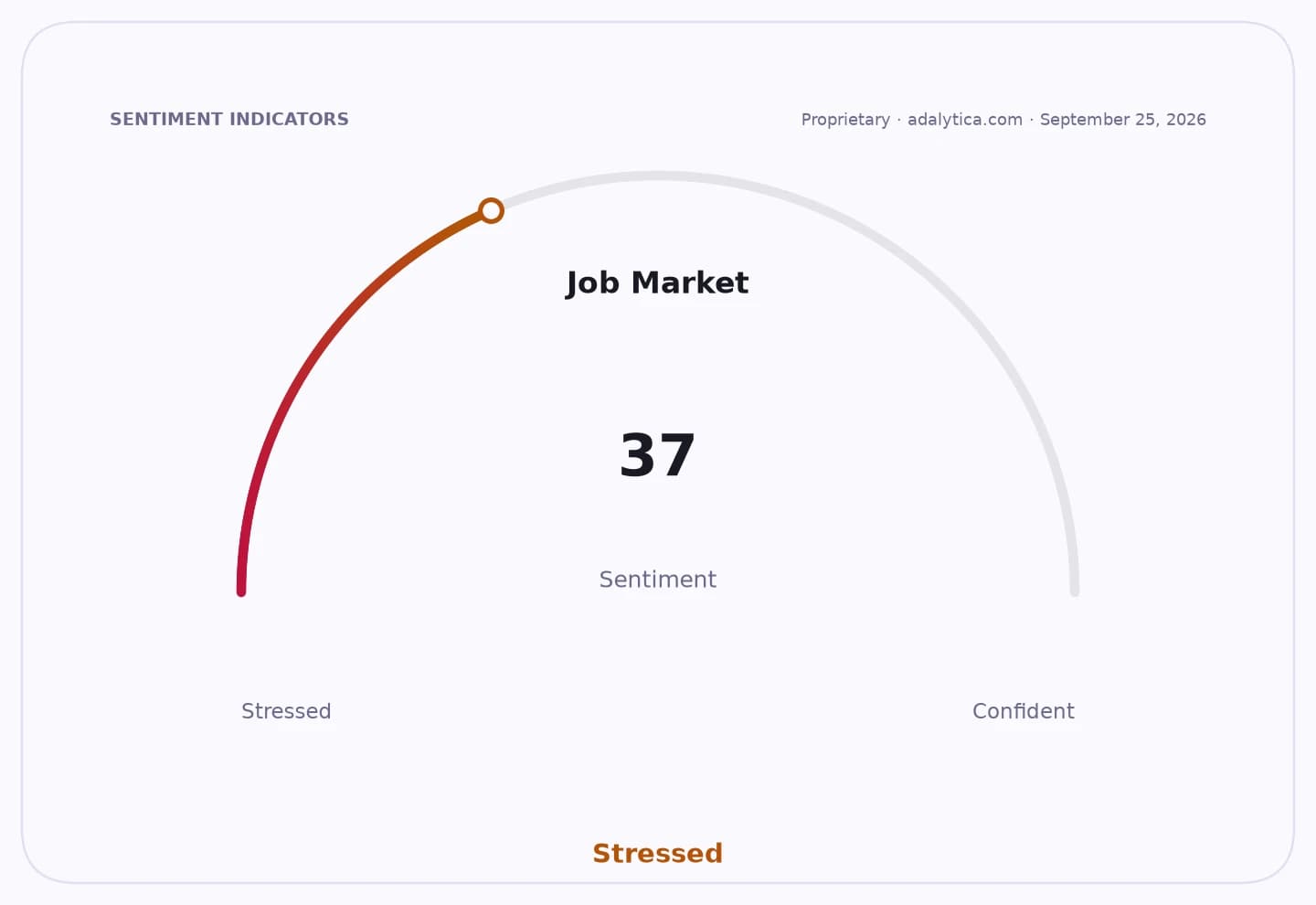
Sentiment IndicatorsⓘProprietary · adalytica.com · September 25, 2026
This is a snapshot — live sentiment, awareness and momentum for 130+ markets update continuously in the dashboard.Open AlphaPulse
The model has clear upside for the economy. It gives people a legal way to earn on the side, pick clients and combine different forms of work, which helps keep participation high and labour supply flexible. In a tight labour environment, that flexibility can support output and reduce frictional unemployment. But the same looseness also creates incentives for employers to recast regular jobs as civil-law contracts, transferring risk to workers while reducing tax and social-insurance obligations.
That is why the issue is now moving beyond a social-policy debate into a structural labour-market question. For the state, the self-employed regime has widened the tax base. For businesses, it has lowered hiring friction and preserved operating flexibility. For workers, though, the trade-off is more precarious income, weaker benefits and less legal recourse if the relationship is effectively that of an employee. The tension is especially relevant in sectors built around platform labour, delivery, services and other gig-style arrangements, where the line between independent contracting and managed labour is easiest to blur.
Investors should care because labour classification rules can alter margins, litigation risk and expansion plans for companies that depend on contractor-heavy models. U.S.-listed platform firms such as Uber and DoorDash have repeatedly flagged worker-classification risk in filings, underscoring how regulation can affect unit economics, pricing power and the pace of growth. Any move by regulators to tighten standards in Russia would likely raise compliance costs for local employers and could push some work back into the grey economy. A permissive approach, by contrast, preserves flexibility but risks entrenching a dual labour market with weaker protections and uneven tax treatment.
The broader narrative is not that self-employment is failing, but that its success is exposing the boundary between entrepreneurship and disguised wage work. The policy challenge is to protect genuinely independent workers without making firms so cautious that they stop using flexible labour altogether. How Moscow draws that line will determine whether the regime remains a support for formalisation and growth, or becomes a channel for hidden payroll employment dressed up as independence.
| Entity | Gains | Losses |
|---|---|---|
| Self-employed workers | ▲Legal income, client choice | ▼Fewer benefits, weaker protection |
| State budget | ▲Broader tax base | ▼Enforcement burden |
| Employers using contractors | ▲Lower hiring costs | ▼Higher compliance risk |
| Traditional payroll workers | ▲Fairer competition | ▼Less if abuses persist |