Poland is not holding any talks on joining the euro zone and has no decision to replace the złoty, Prime Minister spokesman Adam Szłapka said, pushing back against opposition claims that the government is trying to steer the country toward the single currency.
Poland Says No Talks on Joining the Euro Zone
The denial matters because euro entry would be one of the biggest economic shifts in Poland’s post-communist history, affecting monetary policy, borrowing costs, inflation management and the country’s independence over interest rates and exchange-rate policy. For investors, the statement is a signal that Warsaw is not preparing an imminent currency change, even as speculation around the issue becomes part of a broader political fight over the direction of the economy.
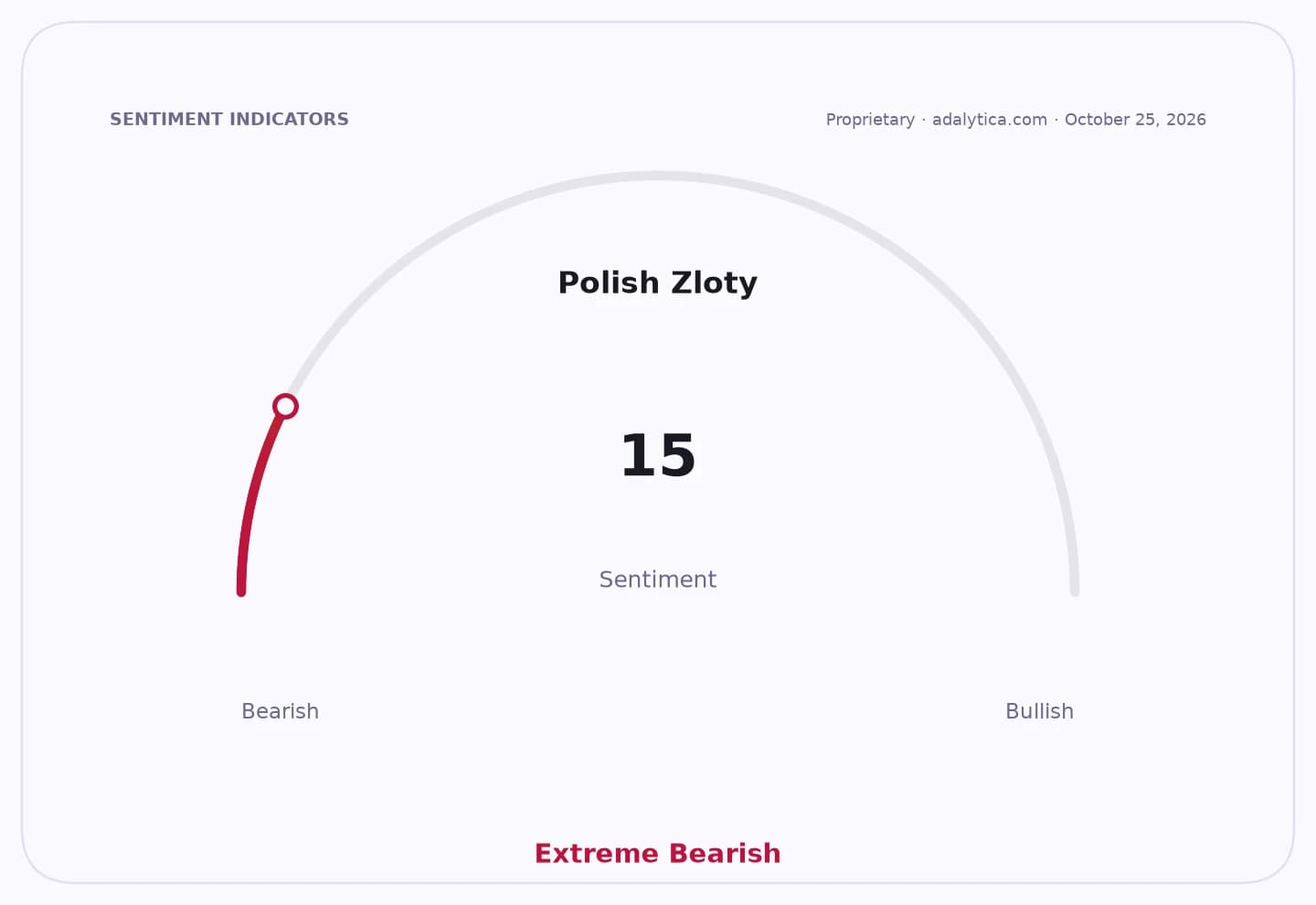
Sentiment IndicatorsⓘProprietary · adalytica.com · October 25, 2026
This is a snapshot — live sentiment, awareness and momentum for 130+ markets update continuously in the dashboard.Open AlphaPulse
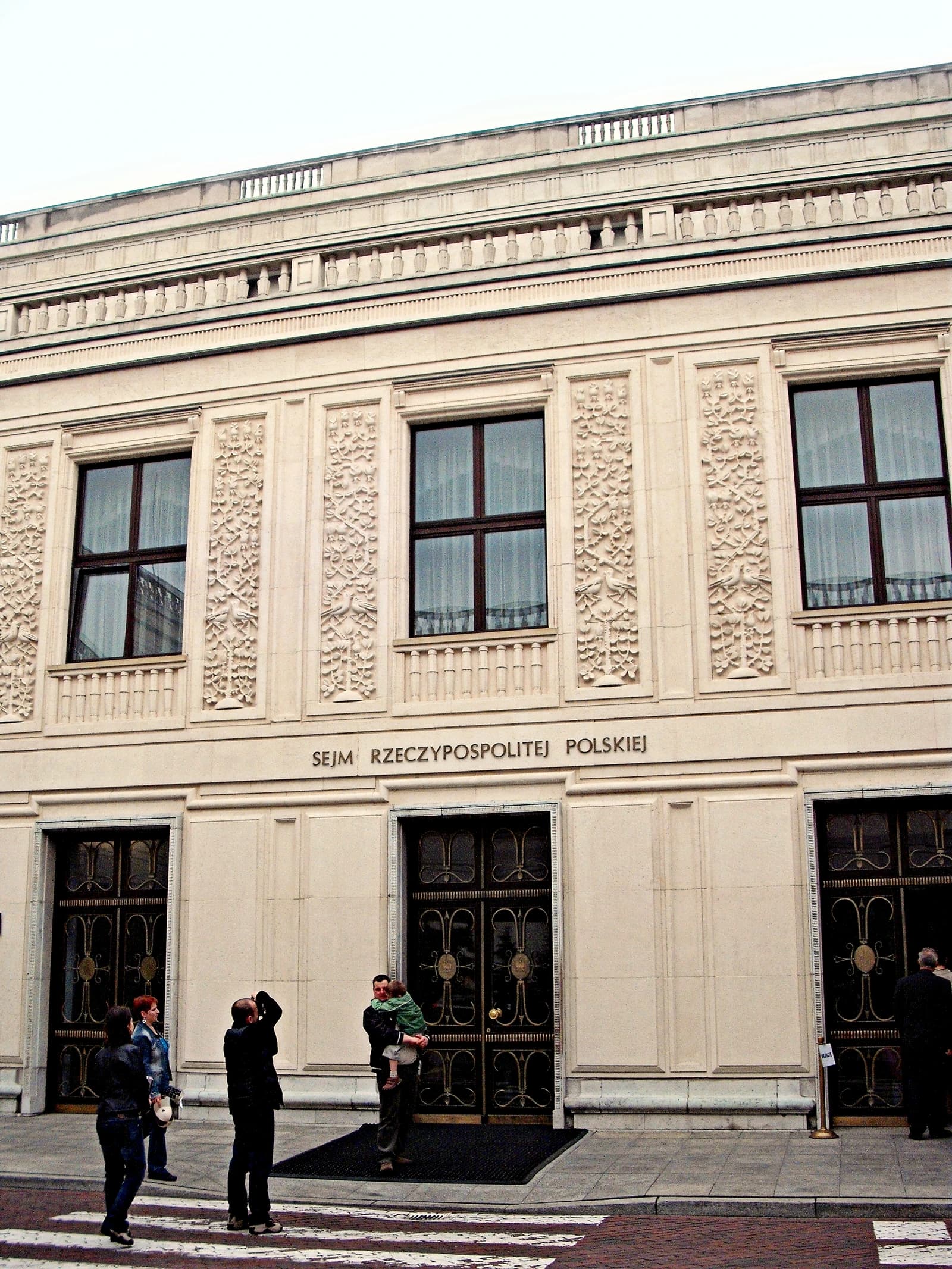
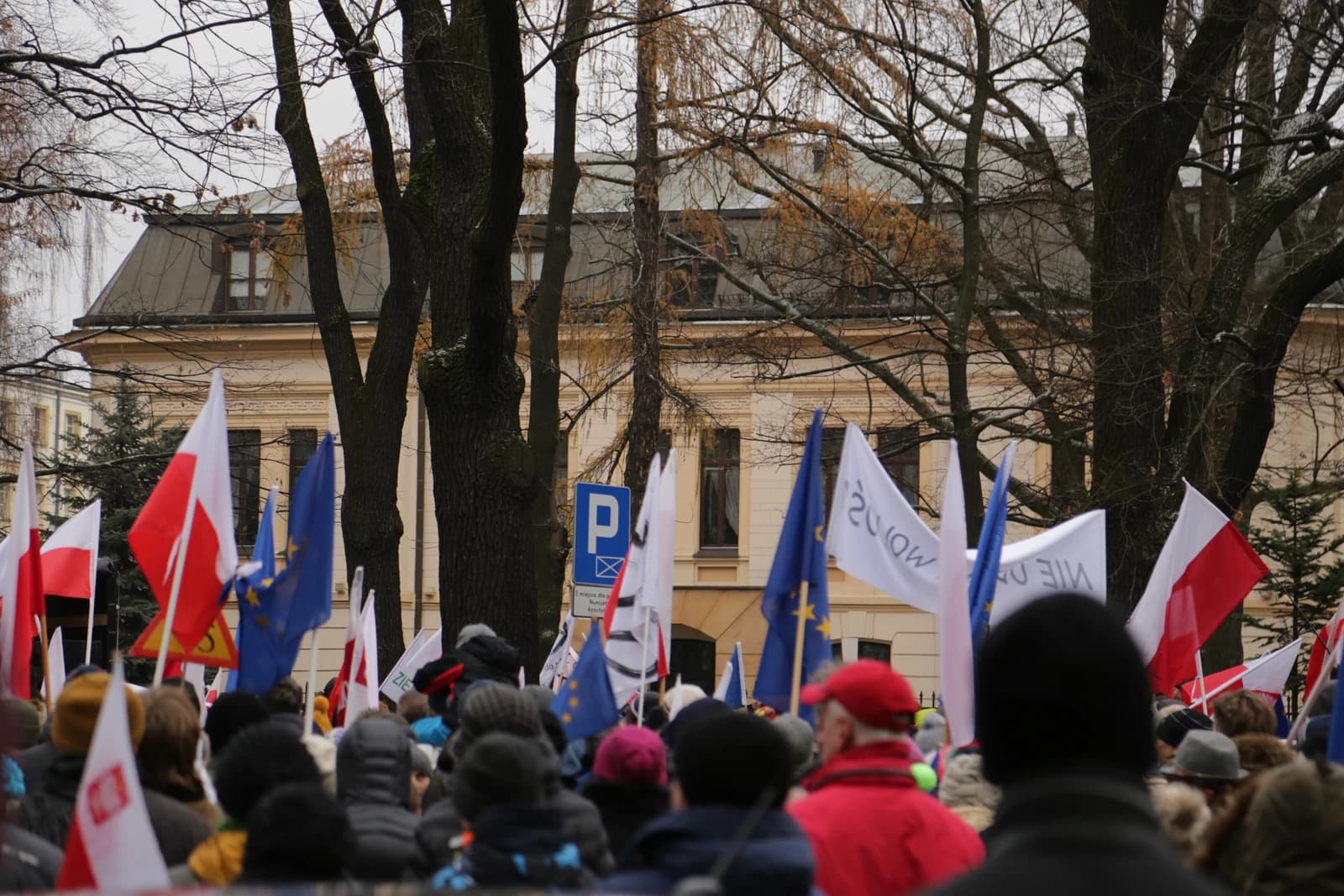
The remarks came ahead of a Sejm debate on a no-confidence motion from the opposition Law and Justice party against Finance and Economy Minister Andrzej Domański. PiS politician Przemysław Czarnek accused the government of trying to “force” Poland into the euro zone, a charge Szłapka called a lie.
Szłapka said the złoty remains Poland’s currency “and that will definitely not change as long as this government rules.” He also pointed to what he described as strong economic data, including growth, lower inflation, record investment and a stock market at all-time highs, as evidence that Domański is doing a good job.
Polish Zloty — 30-day sentimentadalytica.com
Explore this data interactively — full history, time series and cross-market comparisons.Open AlphaPulse
The political dispute lands at a sensitive time for Europe, where the euro zone is still dealing with elevated inflation and renewed fiscal stress in some member states, while sentiment toward the euro remains constructive in broader trading gauges. Adalytica’s trade snapshot shows extreme fear in the złoty, suggesting the currency is vulnerable to political noise even when policymakers insist there is no policy shift.
For markets, the key takeaway is that Poland’s currency regime remains unchanged for now, but euro membership will stay a live political flashpoint ahead of future elections and budget fights. Any sustained move toward adoption would require a major policy reset, and investors will be watching whether the debate starts to show up in bond yields, the złoty and foreign inflows.
| Entity | Gains | Losses |
|---|---|---|
| Polish government | ▲Buys time, defuses euro rumors | ▼Faces opposition scrutiny |
| PLN / złoty holders | ▲Currency status unchanged | ▼Political uncertainty persists |
| Euro advocates | ▲Keeps debate alive politically | ▼No near-term adoption progress |
| PiS opposition | ▲Targets Domański and Tusk | ▼Fails to prove euro plan |