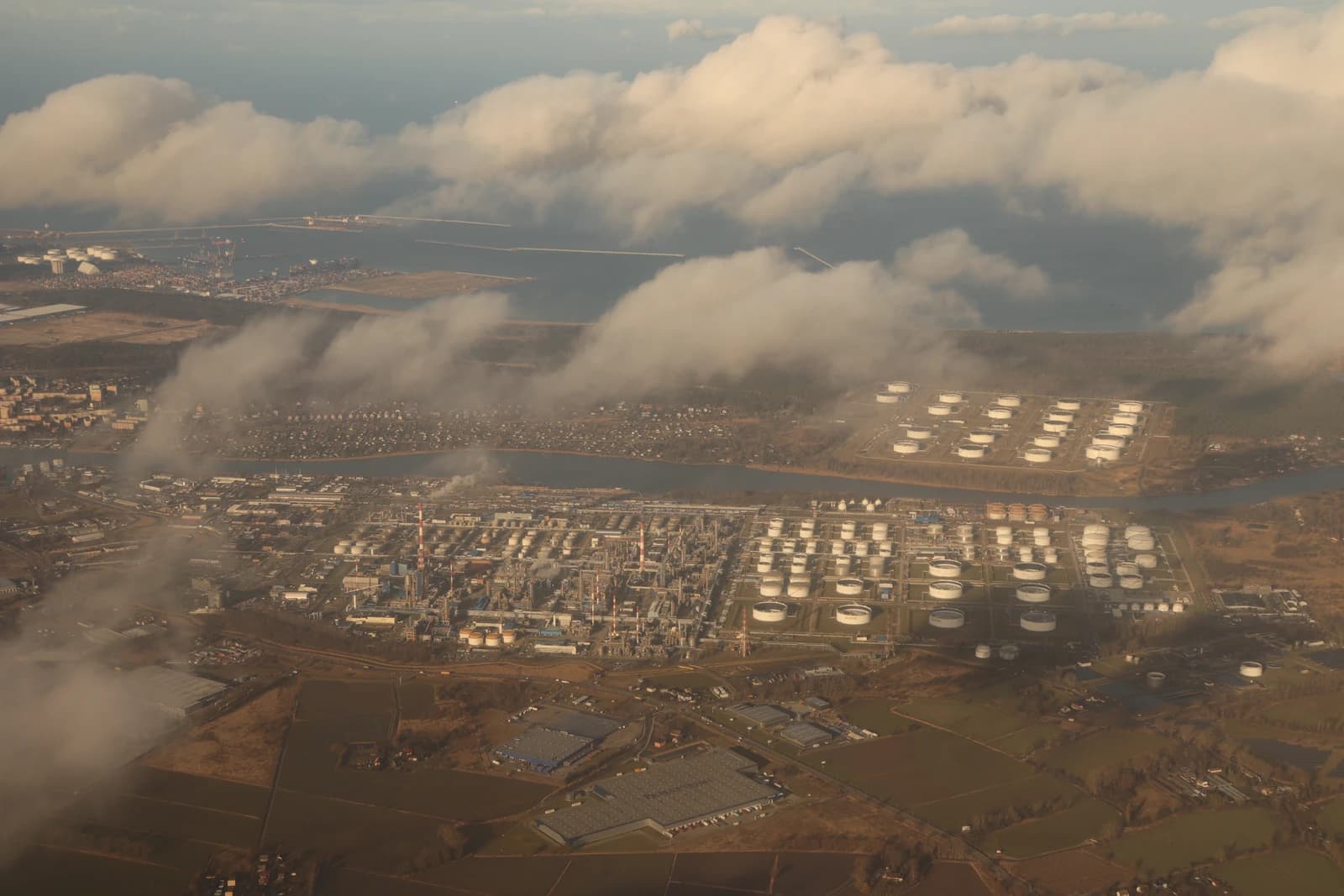
Saudi Aramco’s reported discomfort with its Polish downstream exposure has become a test of how far state intervention can distort investment decisions in Europe’s refining and fuel markets.
Saudi Aramco Questions Poland Downstream Exposure
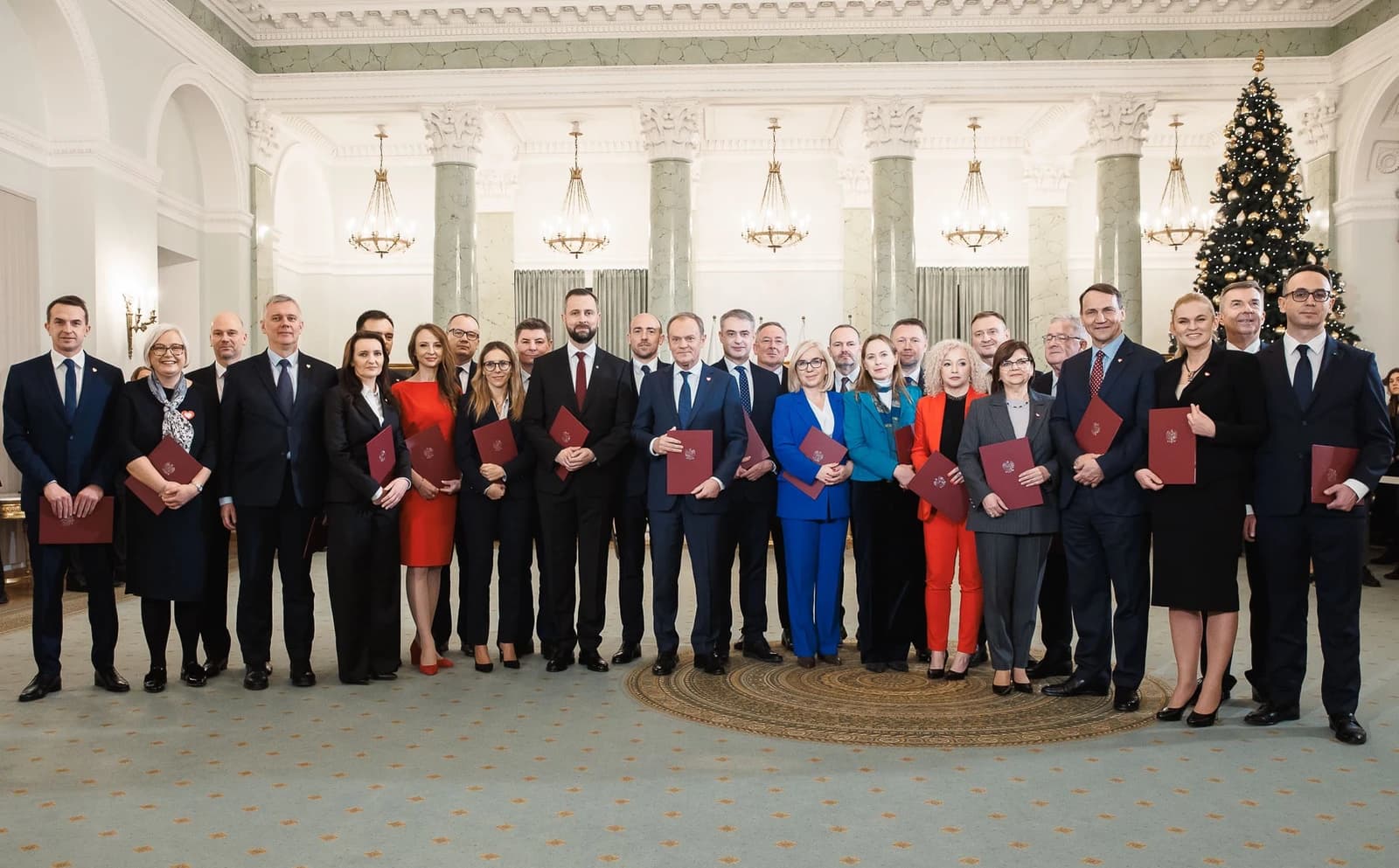
The immediate issue is not a tactical corporate reshuffle but what it says about policy risk. Saudi Aramco still views Poland and the wider region as commercially attractive after the war in Ukraine redrew crude and product flows across Europe, according to the Polish report. Yet the company is said to be rethinking its position because of what market participants describe as political interference, not a deterioration in the underlying economics.
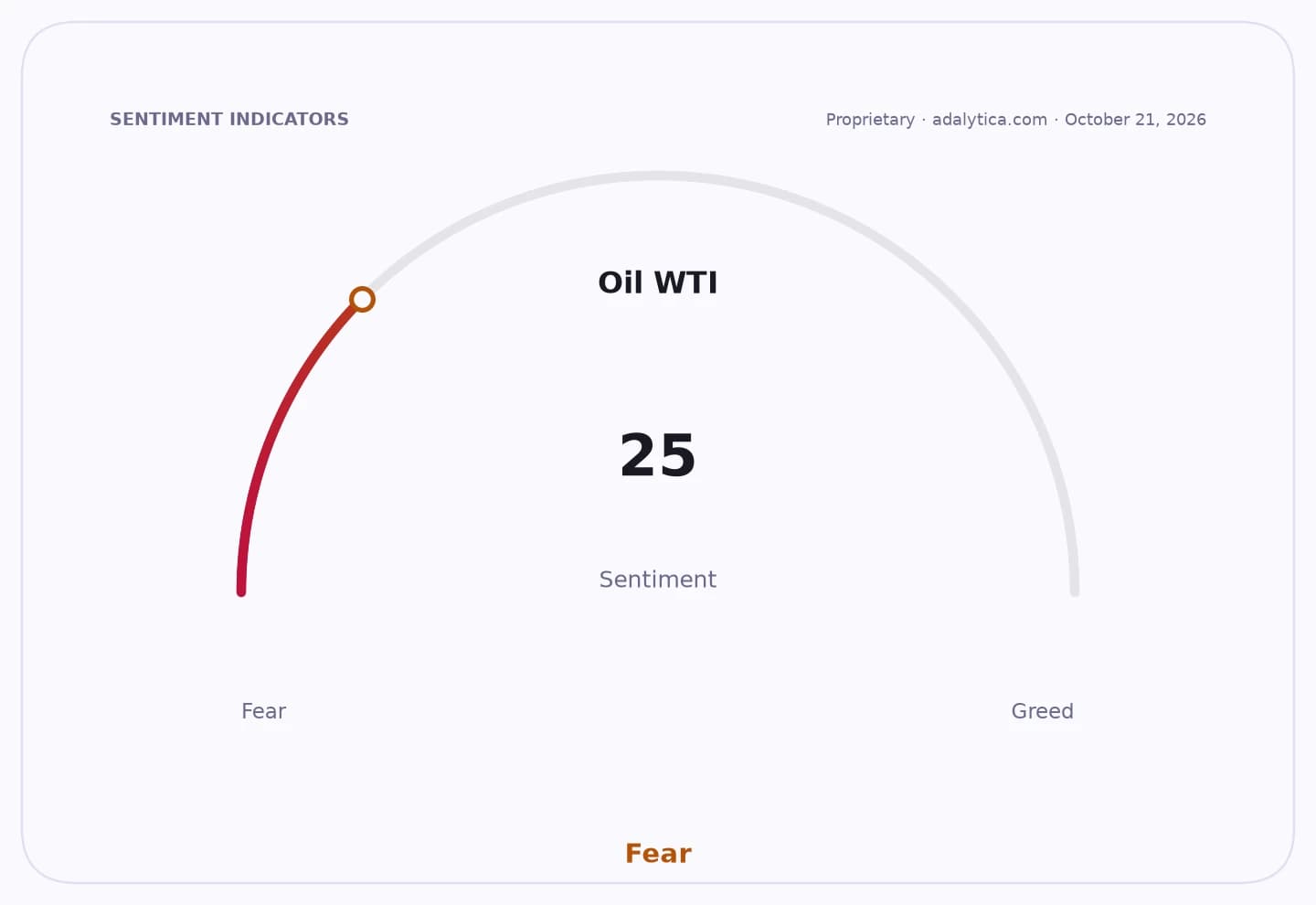
Sentiment Indicators
That matters because Aramco is one of the world’s most disciplined long-term oil investors. If a company with its balance sheet, supply security and strategic patience becomes less comfortable in a market, other capital providers are likely to ask whether the same rules will apply to them. In downstream assets, where returns are already shaped by regulation, taxes and state ownership, credibility around policy is often as important as margins.
The story also reinforces a broader investor concern in Central Europe: governments can support consumers and domestic champions in the short run, but heavy-handed intervention can raise the cost of capital, reduce asset values and discourage foreign participation in energy infrastructure. That is particularly sensitive for Poland, where refining, retail fuels and petrochemicals remain strategically important and where post-Ukraine supply reorientation has made the country more, not less, relevant to regional energy security.
Geopolitical Risk vs 2222.SRadalytica.com
Explore this data interactively — full history, time series and cross-market comparisons.
For PKN Orlen, the Polish energy group at the center of the market, the implication is mixed. A looser Aramco commitment could weaken a strategic partnership that has helped underpin feedstock security and downstream integration. But it could also give the state greater room to align the sector with political priorities. For investors, that trade-off is the point: state influence may support policy goals, but it can also compress valuations by making corporate strategy less predictable.
The market has not treated the issue as a sideshow. PKN Orlen’s shares have risen sharply over the past year, but the stock is off recent highs, closing at 146.38 zlotys on Oct. 30, below its 50-day moving average of 152.88. Saudi Aramco shares have also cooled after earlier gains, with the stock at 25.92 riyals on Oct. 29, just above its 200-day average of 25.88, a sign that investors are still waiting for clarity on direction. PGE, another Polish state-linked utility, has remained elevated after a powerful rally, but its latest trading also showed some consolidation, underscoring how sensitive local assets remain to policy and regulatory headlines.
The broader message is that Europe’s energy market remains open for business in theory, but not every investor is convinced it is open on market terms. If Tusk’s government is perceived as too interventionist, the cost may not be immediate asset sales so much as a slower erosion of trust, lower bid interest and a wider risk premium on Polish energy assets.
| Entity | Gains | Losses |
|---|---|---|
| Polish state policymakers | ▲Greater control over energy policy | ▼Investor confidence |
| Saudi Aramco | ▲Higher bargaining leverage if it exits | ▼Comfort in Polish downstream assets |
| PKN Orlen | ▲Potential room to reshape partnerships | ▼Strategic stability and valuation support |
| Minority investors | ▲Possible short-term state support | ▼Policy risk and lower returns |