Saudi Aramco is considering trimming its holdings in Poland, a move that could reshape ownership of one of Central Europe’s key refining assets and signal a more selective stance by the world’s biggest oil exporter toward European downstream investments.
Saudi Aramco reviews Poland refinery stake sale
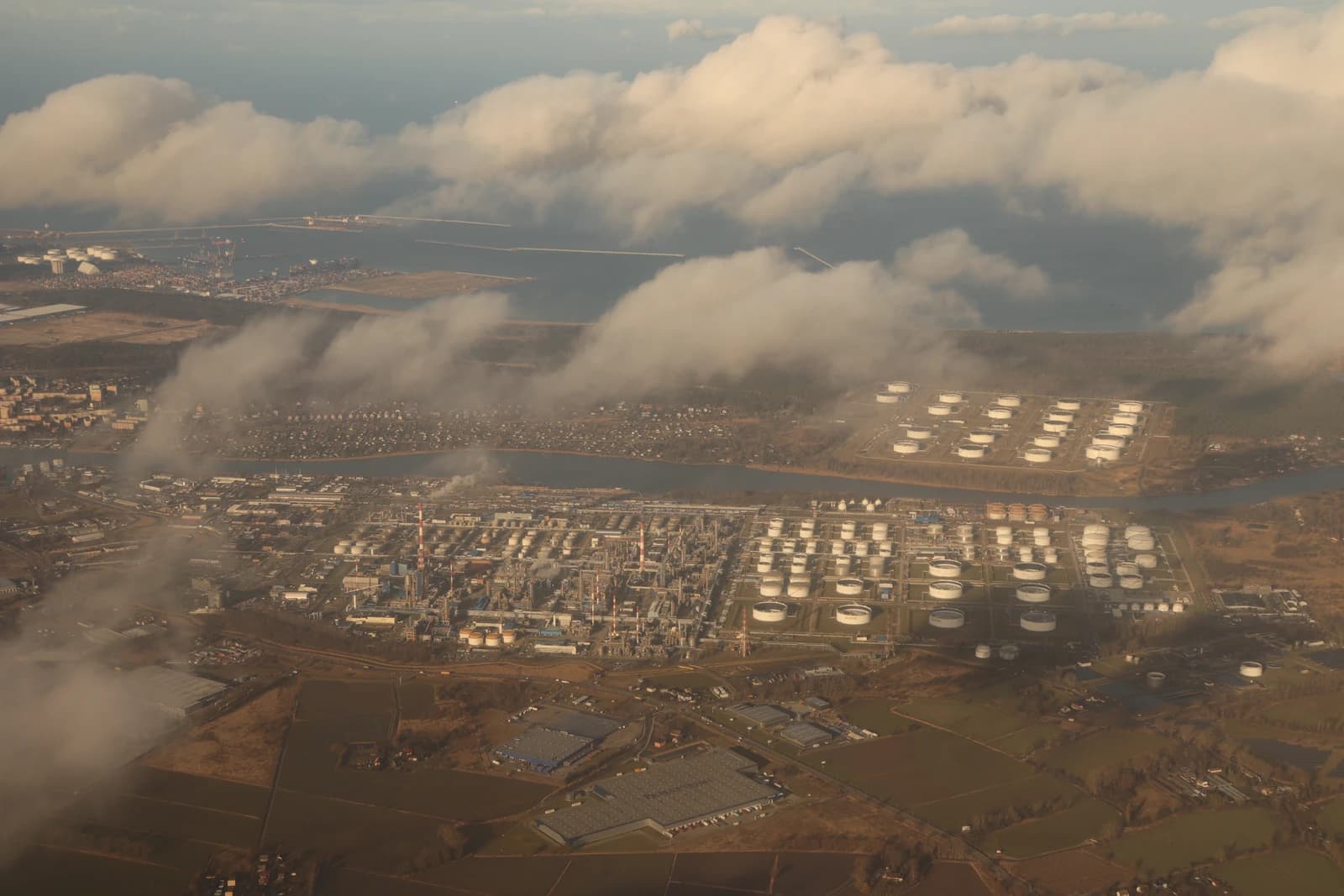
The potential sale matters because refining and fuel distribution assets are cash-generating but politically sensitive, and any change in control could influence crude supply links, product flows and investment plans around the Gdańsk refinery, where Aramco is a co-owner. For investors, the question is whether the Saudi group is merely recycling capital from a mature European asset or starting to pare back a broader overseas refining footprint at a time of volatile energy markets.
The reported review comes as global oil and refining dynamics remain unsettled, with geopolitical risk keeping crude and diesel markets tight even as supply patterns shift. Russia has recently lifted diesel export volumes through special quotas, but the extra barrels are still seen as limited by refinery constraints and domestic demand, underscoring how sensitive European fuel markets remain to ownership and operational changes.
Aramco’s shares on the Saudi market closed at 25.92 riyals on Thursday, just below their 50-day moving average of 25.79 and near the 200-day average of 25.88, while RSI readings around 53.7 point to a neutral technical setup. Poland-listed PKN Orlen, which would be directly exposed to any change in the refinery’s ownership structure, ended Thursday at 145.42 zlotys, below its 50-day average of 152.86 and 200-day average of 133.54, with RSI at 36.4.
Any sale process would also land in a broader European energy landscape where governments and investors are scrutinizing supply security, refinery margins and the durability of foreign strategic holdings. For Aramco, a divestment could free up capital for higher-return upstream or petrochemical projects; for Orlen and Polish policymakers, it could mean a search for a new partner or a renegotiation of how the refinery is financed and run.
The key catalyst now is whether Aramco confirms a process, sets a valuation and identifies a buyer willing to take on a strategic downstream asset in a market still shaped by sanctions, shifting crude flows and energy security concerns.
| Entity | Gains | Losses |
|---|---|---|
| Saudi Aramco | ▲Capital recycling; higher-return redeployment | ▼European downstream exposure |
| PKN Orlen | ▲Potential ownership consolidation | ▼Need to replace a strategic partner |
| Polish energy market | ▲Possible new investor interest | ▼Ownership uncertainty |
| Oil sellers with exposure to Europe | ▲Tighter asset supply | ▼Fewer strategic holdings to monetize |