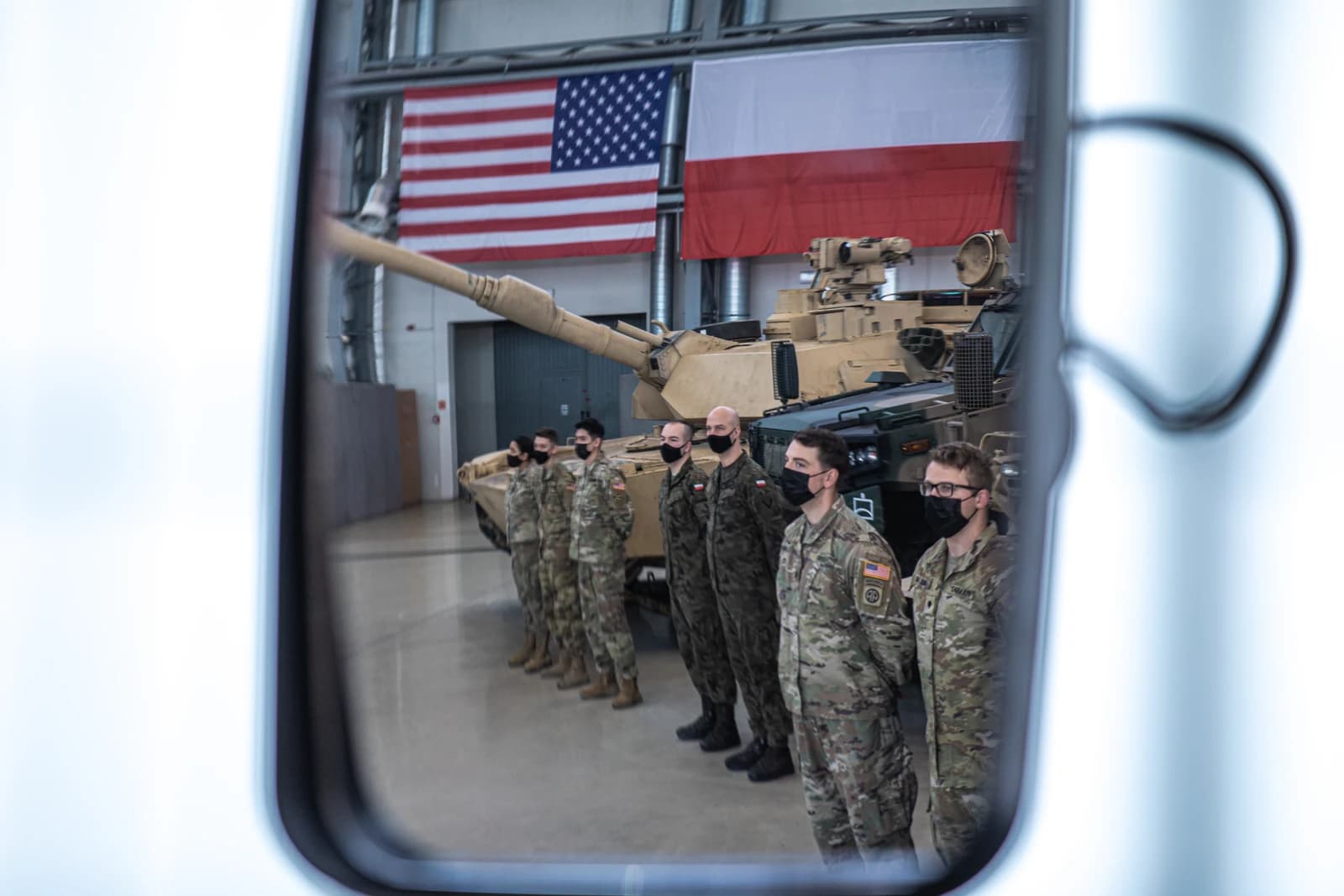
Poland has deployed troops, police, border guards and anti-terrorist units to its frontier with Russia’s Kaliningrad exclave after intelligence warnings of possible sabotage and armed incursions, underscoring how the war-driven security environment in Eastern Europe is now reaching directly into border management.
Poland deploys forces to Kaliningrad border
Geopolitical Risk
The move matters economically because it raises the perceived risk premium on one of NATO’s most exposed eastern flanks at a time when governments are already spending more on defense, critical infrastructure protection and domestic security. For Poland, a frontline state and a major logistics hub for aid and trade flows into Ukraine, even a limited sabotage attempt could disrupt transport links, energy assets or cross-border commerce and force a further tightening of already elevated security protocols.
Sentiment Indicators
For investors, the immediate implication is not a direct market shock but a wider reminder that geopolitical risk in the region remains live and can reprice quickly if threats escalate into incidents. That matters for Polish and regional assets, including the zloty, sovereign spreads, utilities, transport and infrastructure operators, and defense contractors that stand to benefit from sustained security spending. It also keeps pressure on businesses operating in border regions to factor in higher insurance, security and contingency costs.
The operation follows a pattern seen across NATO’s eastern perimeter, where authorities have become more willing to move pre-emptively against suspected hybrid threats, including sabotage, cyber operations and covert activity. Warsaw’s decision to mobilize multiple security services suggests the authorities see the threat as credible enough to warrant visible deterrence rather than routine patrols, a response designed as much to prevent disruption as to signal readiness.
Geopolitical Risk — 30-day sentimentadalytica.com
Explore this data interactively — full history, time series and cross-market comparisons.
The backdrop is a regional risk environment that remains unusually unstable even as broader market sentiment globally has been buoyant. Adalytica’s Global Stability Sentiment gauge is at 100, labeled “Extreme Greed,” yet that optimism sits alongside persistent flashpoints that can quickly reverse risk appetite if they move from warning to incident. Poland’s latest operation is a reminder that in Eastern Europe, security policy and market pricing remain tightly linked.
For now, the key question is whether the deployment stays a preventive measure or becomes the first step in a longer period of hardened border controls. Investors will be watching for any confirmed sabotage attempt, retaliation claims or spillover into transport, energy or military logistics, because those are the channels through which a security alert can become an economic event.
| Entity | Gains | Losses |
|---|---|---|
| Poland security services | ▲Deterrence and visibility | ▼Higher operational burden |
| Russian border posture | ▲Tactical pressure | ▼Greater scrutiny and suspicion |
| Polish defense firms | ▲Potential spending tailwind | ▼None from stability |
| Regional investors and exporters | ▲Clarity on risk response | ▼Higher risk premium |