Germany’s chancellor has revived one of Europe’s most market-relevant risks: a deeper, longer confrontation with Russia that could keep defense spending elevated, harden security policy and prolong the region’s political unease.
Germany Security Risks Lift Defense Spending Outlook

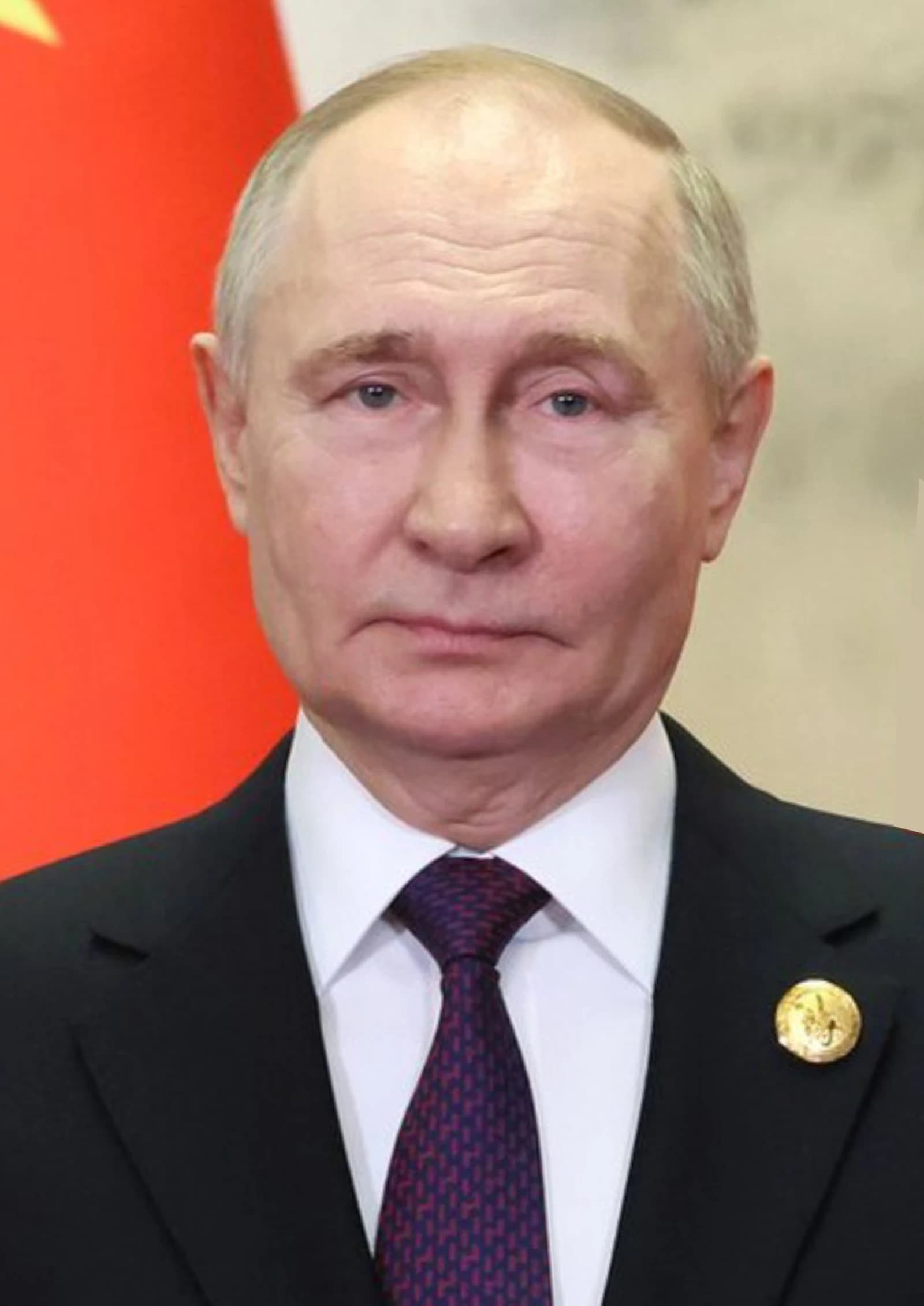
Friedrich Merz accused Moscow of trying to destabilize Germany “every day” without presenting evidence, but the bigger issue for investors is not the proof standard in a political speech. It is the direction of travel. Berlin is now talking more openly about sabotage, cyber pressure and hybrid threats at the same time Russia’s president says the country is prepared for war with Europe. That combination raises the odds of a sustained security buildout across the continent, with Germany at the center.
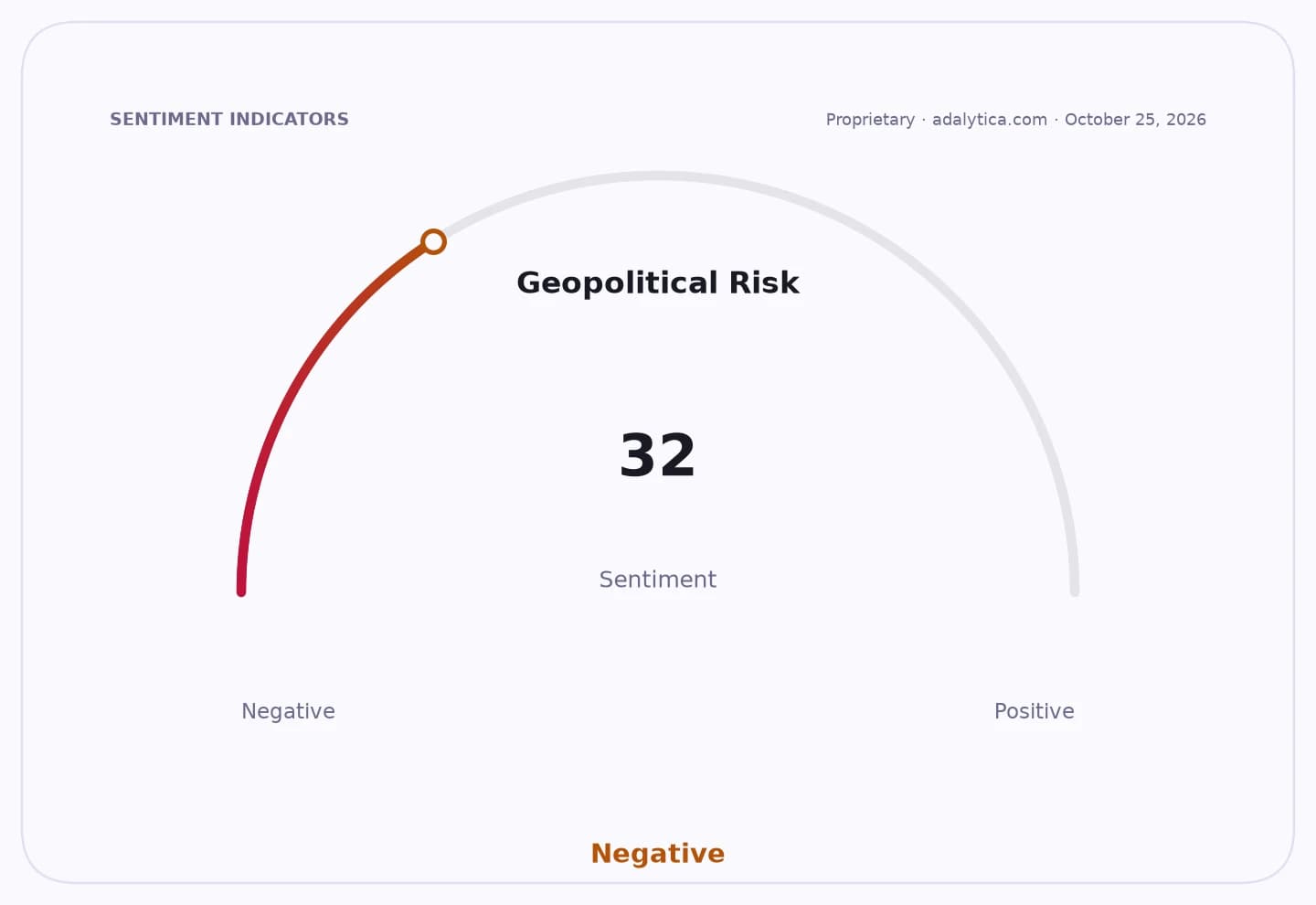
Sentiment Indicators
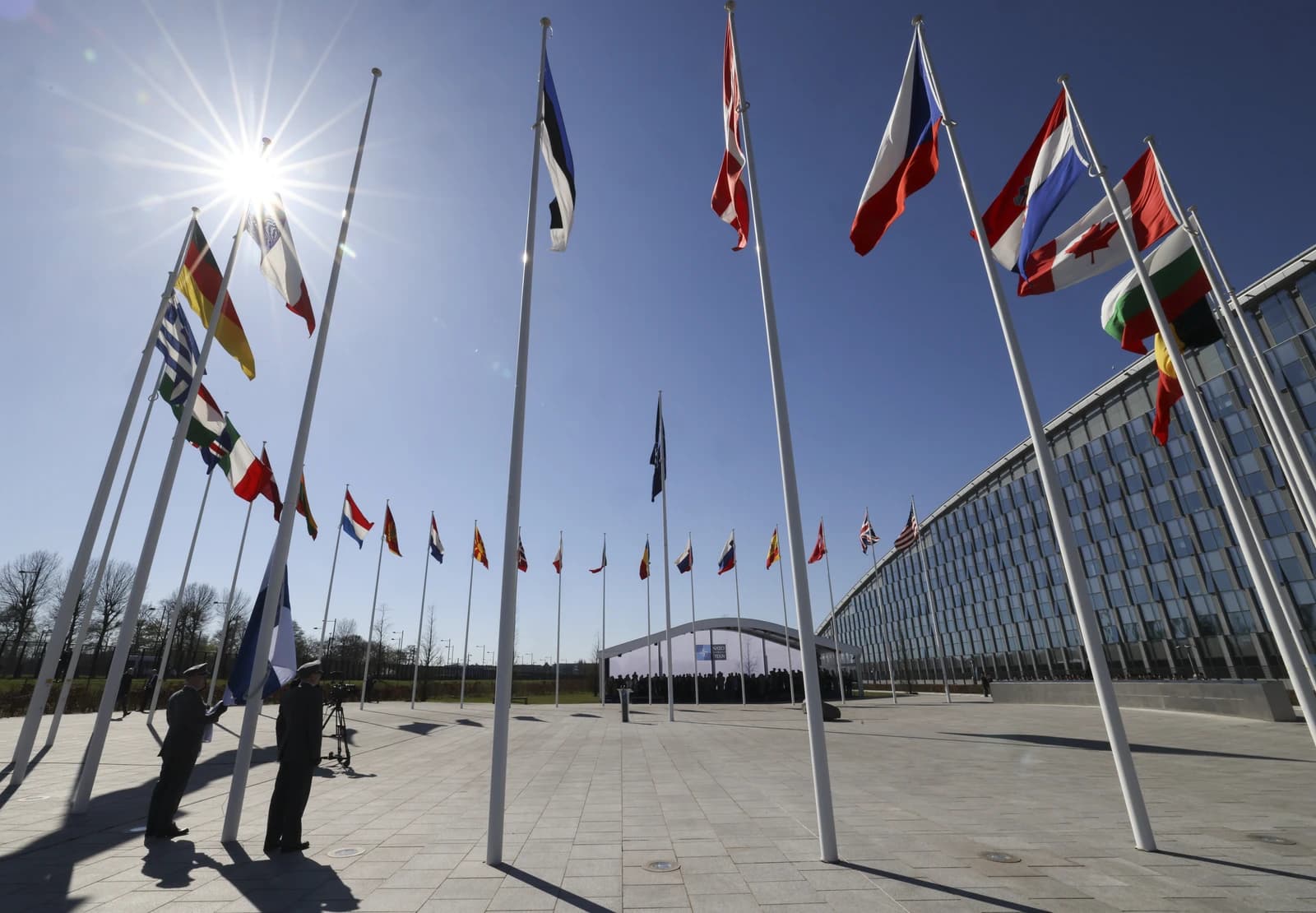
The economic significance is straightforward: Europe is being pushed toward more defense outlays, tighter internal security and a slower policy mix that diverts fiscal firepower from growth priorities. Germany’s own military has already lifted its threat assessment to “significant” over fears of Russian sabotage against military installations, a striking signal from the region’s largest economy and the core of the euro area industrial base. For markets, that means more demand for defense contractors, cybersecurity vendors, surveillance technology and infrastructure protection, while the broader backdrop stays risk-averse.
The tension also matters because it lands on top of a credibility problem inside the European project itself. Merz conceded that many Europeans no longer trust EU policy, a reminder that security pressure is arriving just as voters are frustrated with inflation, weak growth and a loss of confidence in institutions. That is not a comfortable mix for the euro, for cyclical European equities or for businesses that depend on predictable trade and investment conditions.
Geopolitical Risk — 30-day sentimentadalytica.com
Explore this data interactively — full history, time series and cross-market comparisons.
Investors should read this as a reinforcement of the defense trade rather than a one-day geopolitical flare-up. European governments are unlikely to unwind military preparedness after repeated warnings about sabotage, disinformation and covert operations. If anything, they are more likely to accelerate procurement, improve domestic resilience and widen the budget envelope for security spending. That keeps the investment case alive for the region’s defense ecosystem and for U.S.-listed Europe financial vehicles such as the iShares MSCI Germany ETF, which has shown recent volatility but still sits near key technical support, while the iShares MSCI Europe Financials ETF reflects a sector that could benefit if security-driven fiscal spending supports lending and capital formation.
The message is clear: the market underestimates how persistent Europe’s security premium could become. Until there is a real de-escalation between Moscow and the major European capitals, investors should assume a structurally higher defense budget cycle, more political fragmentation and a continued bid for companies that profit from rearmament, cyber protection and critical-infrastructure spending.
| Entity | Gains | Losses |
|---|---|---|
| Defense contractors | ▲Higher procurement demand | ▼Peace dividend narrative |
| Cybersecurity firms | ▲More state security budgets | ▼Low-priority software spend |
| German government | ▲Political cover for spending | ▼Fiscal flexibility |
| European exporters | ▲Less certainty | ▼Stable investment climate |