Poland’s constitutional crisis is escalating into a direct fight over who can legally sit on the country’s top court, raising the stakes for the rule of law, government stability and investor confidence in one of the European Union’s largest economies.
Poland constitutional court fight pressures EPOL
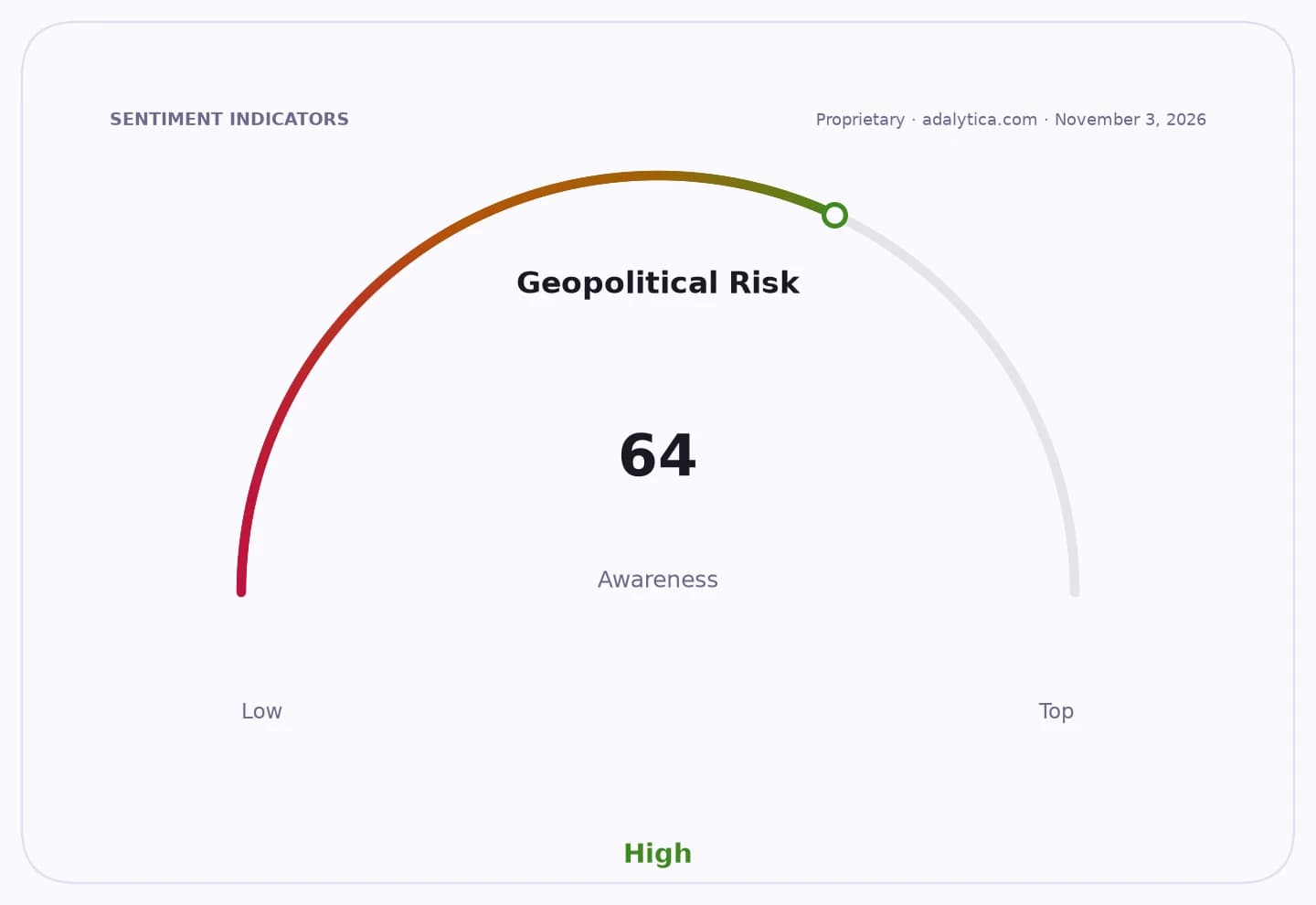
Geopolitical Risk
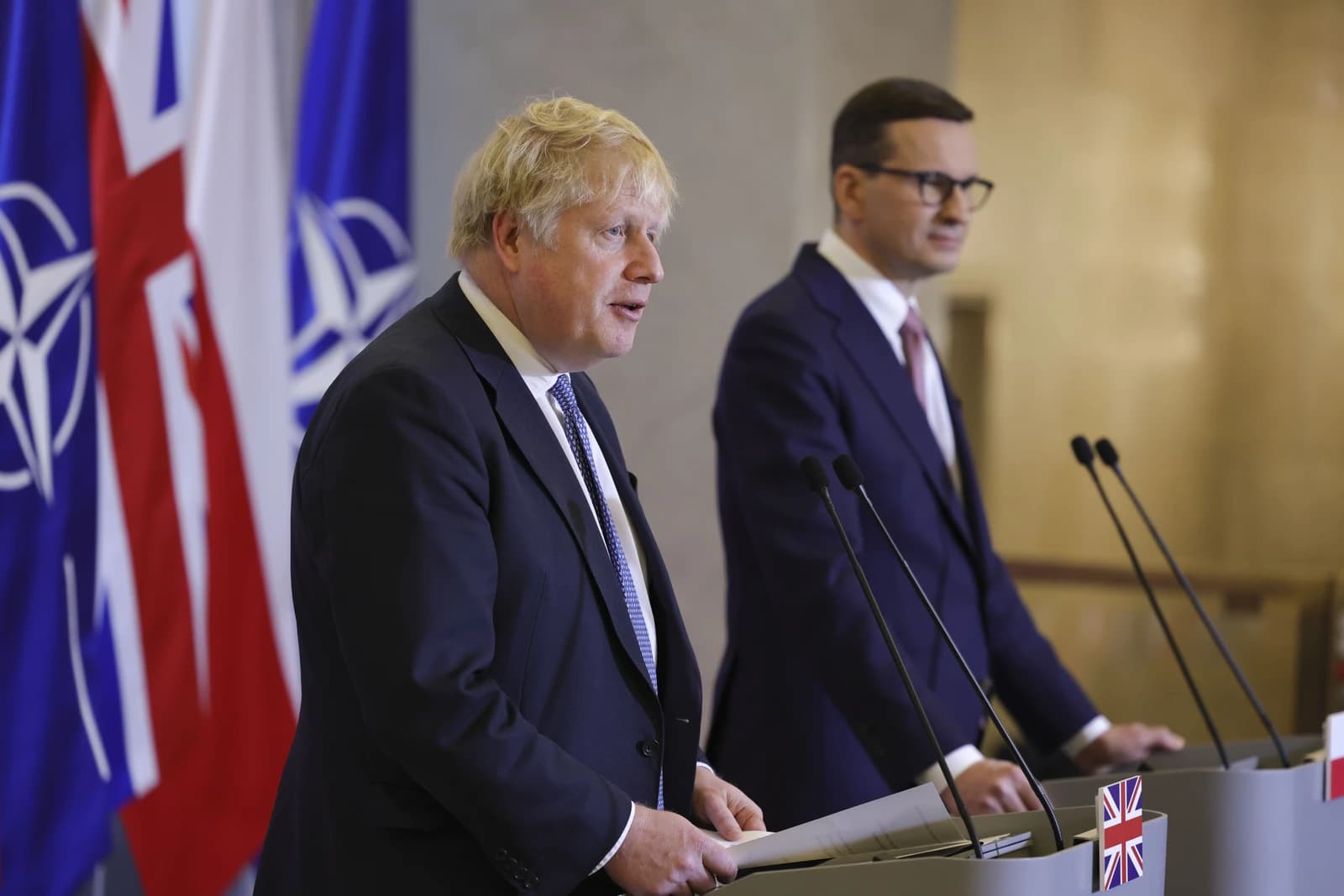
The suspension of the Constitutional Court’s president and vice-president underscores how badly the tribunal’s authority has fractured. What began as a dispute over judicial appointments has turned into an institutional showdown: former prime minister Donald Tusk says the current president is provoking confrontation by refusing to recognize newly appointed judges, while the Nawrocki government faces allegations of illegal interference in the tribunal’s work.
Sentiment Indicators

That matters economically because judicial credibility is not a constitutional abstraction for markets — it shapes the predictability of regulation, contract enforcement and the state’s ability to push through policy without legal challenge. When the top court’s legitimacy is contested, every major reform, from public spending changes to business regulation, becomes more vulnerable to delay, reversal or politically motivated rulings. For a country that has relied on strong domestic demand, EU funding and steady foreign capital inflows, prolonged institutional conflict can gradually raise the risk premium on Polish assets.
Investors are already sensitive to that backdrop. The iShares MSCI Poland ETF, EPOL, has rebounded sharply from a March low near $34.23 and closed at $44.04 on Nov. 4, just below its recent highs and above its 200-day moving average at $40.34. But the move has not been linear: the fund slipped to $42.69 on Nov. 2, with volume surging to 777,400 shares, before stabilizing. That pattern suggests markets still view Poland as investable, but are willing to mark down exposure when political risk intensifies.
Geopolitical Risk vs EPOLadalytica.com
Explore this data interactively — full history, time series and cross-market comparisons.

Technically, EPOL remains above its 200-day average, which is a constructive long-term signal, but the 50-day average at $44.29 now sits slightly above the latest close, indicating momentum has softened. The relative strength index reading of 47.4 points to a market that is neither oversold nor overbought, while the MACD remains negative, consistent with a loss of short-term upward pressure. In other words, investors have not abandoned Polish equities, but they are no longer paying up for them the way they were earlier in the autumn.
The broader macro setting makes the judicial dispute more important. Global stability gauges from Adalytica show extreme greed, suggesting investors are broadly willing to take on risk, while euro trade sentiment is also at an extreme level of optimism. That helps explain why political stress in Poland has not yet produced a more severe market reaction. But it also means the country is competing for capital in an environment where investors can quickly rotate toward cleaner stories if governance risks worsen.
The bull case is that the standoff remains contained within Poland’s institutions and never spills into policy paralysis or renewed confrontation with Brussels. In that scenario, the market may treat the crisis as a noisy but familiar governance issue and focus instead on growth, earnings and EU support. The bear case is that the court’s split deepens, legal uncertainty spreads across government decisions and foreign investors start to demand a larger discount for Polish risk.
For now, the immediate market question is not whether Poland can avoid political conflict — it is whether the dispute over the Constitutional Court starts to damage the state’s credibility enough to matter for capital allocation, financing costs and equity valuations.
| Entity | Gains | Losses |
|---|---|---|
| Nawrocki government | ▲control over institutions | ▼legal credibility |
| Tusk opposition | ▲political ammunition | ▼policy clarity |
| Polish equities / EPOL longs | ▲eventual dip-buying opportunities | ▼near-term confidence |
| Short sellers / risk hedge buyers | ▲volatility, downside protection | ▼any rapid compromise |