Fuel theft is becoming a bigger operating risk for gas stations, trucking fleets and construction equipment owners as higher diesel prices tempt both opportunistic drivers and more organized thieves.
Fuel theft rises as diesel prices climb
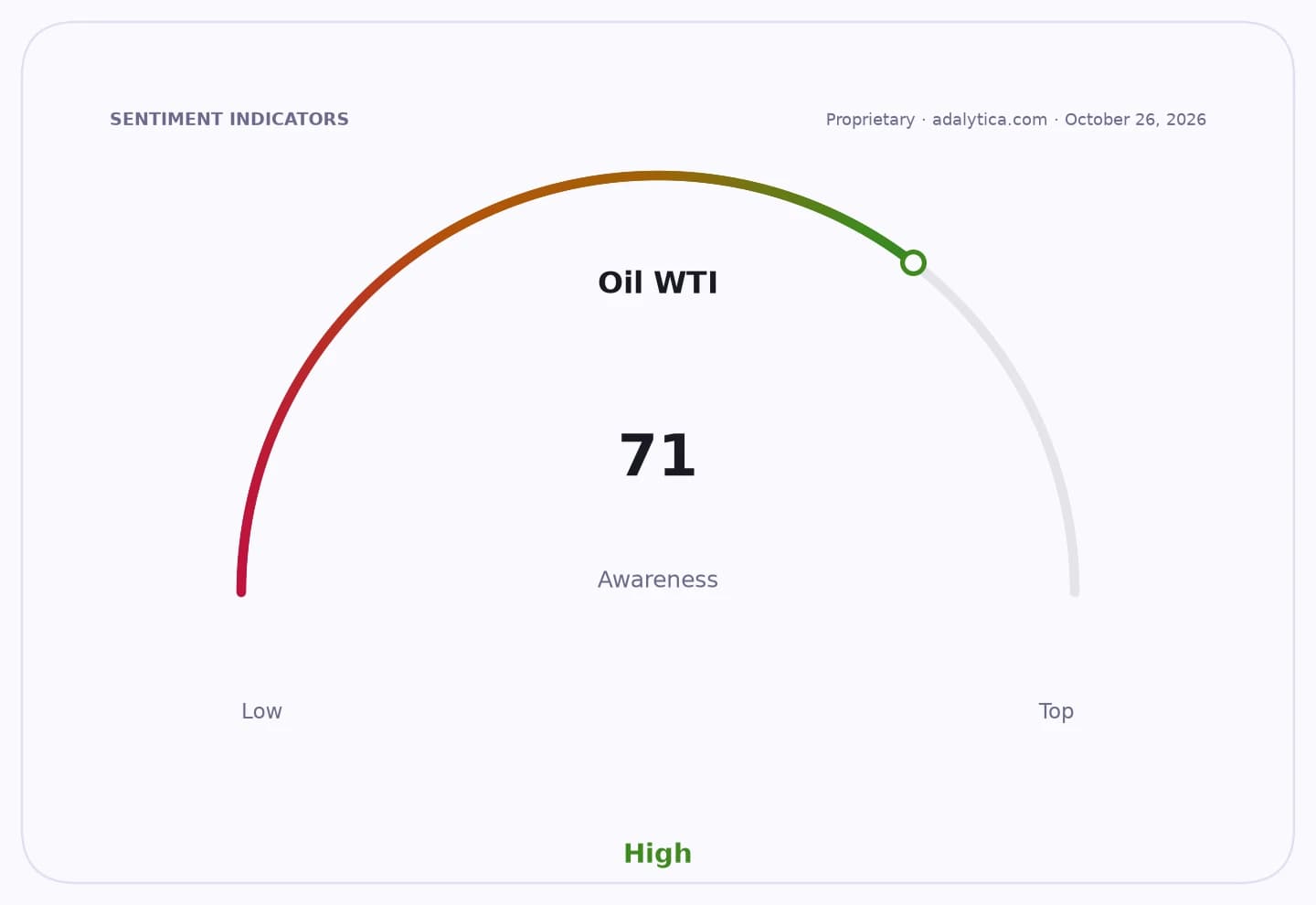
Oil WTI
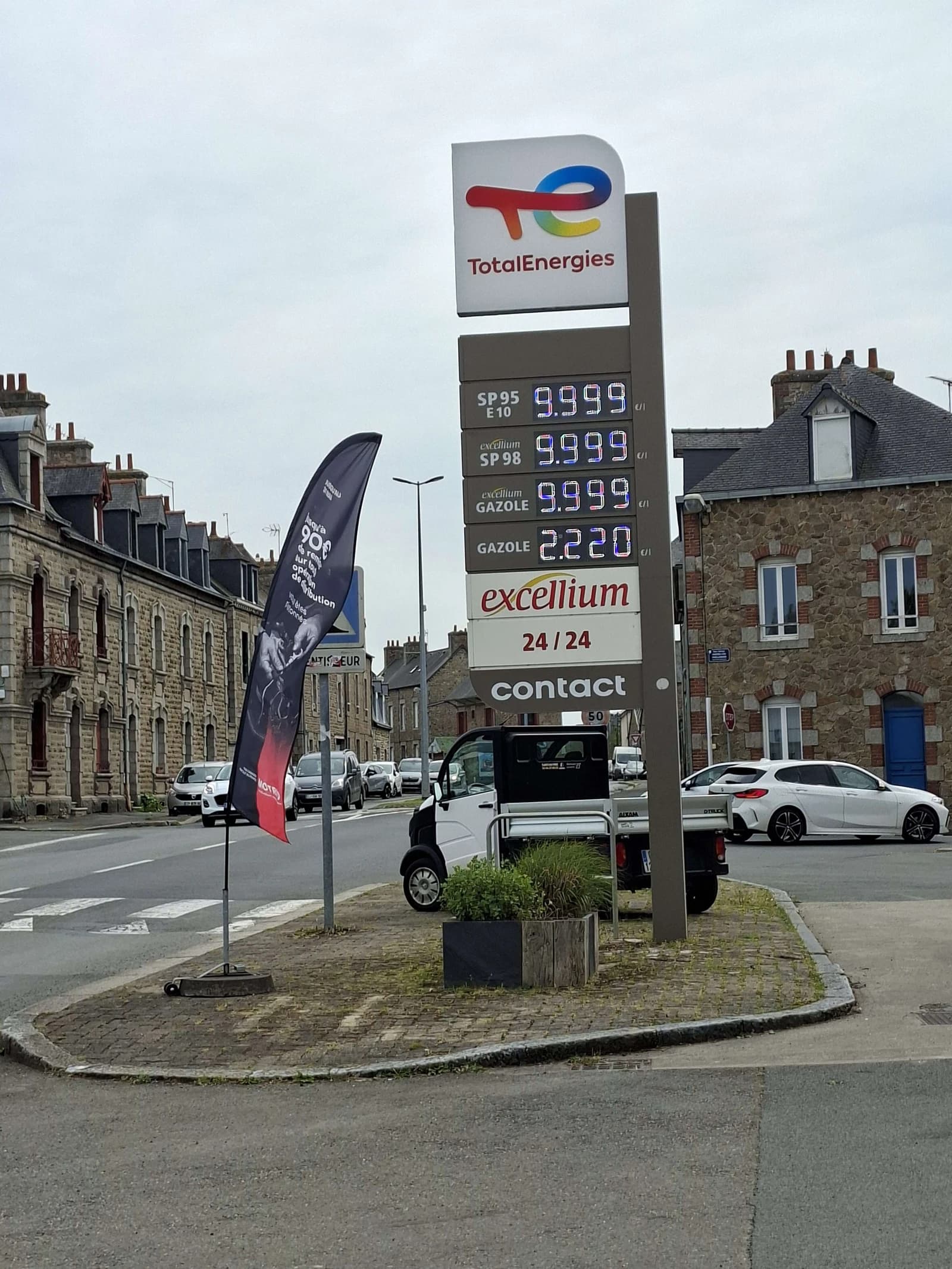
The immediate economic issue is simple: when fuel gets expensive, losses get easier to justify, harder to police and more costly to absorb. In Latvia, police say fuel theft happens every day, with damage typically running from about 100 euros to 150 euros per incident, while retailers say they are seeing more cases as prices rise. The problem stretches beyond forecourts. Thieves are also siphoning diesel from trucks, tractors and construction machinery, a trend that can hit supply chains, job-site productivity and small operators with thin margins.
Sentiment Indicators
That matters because fuel is one of the most sensitive input costs in transport and heavy equipment. For carriers, every stolen tankful is not just a direct loss; it is an unplanned hit to utilization, route economics and insurance costs. For construction firms and farmers, stolen diesel can delay equipment use and force emergency refueling at higher prices. For gas station operators, repeated drive-offs and payment disputes raise security spending, administrative costs and shrinkage, all of which can erode already tight retail margins.
The pattern also shows how theft is evolving. Police in Latvia say many of the incidents are carried out by lone offenders rather than gangs, often using stolen license plates and rotating between stations to avoid detection. That makes prevention more expensive and less effective than in a one-off shoplifting case. It also explains why the same pressure is showing up in other markets, where professional drivers are being urged to use monitored parking areas and secure rest stops instead of leaving trucks unattended.
For investors, the story is less about the theft itself than about the secondary beneficiaries. Fuel retailers with stronger surveillance, payment controls and site security should be better positioned than smaller operators with exposed locations. Logistics and fleet operators that invest in telematics, fuel monitoring and secure parking will be better insulated from margin leakage. And in a world where diesel remains a strategic input for transport and infrastructure, even modest rises in shrinkage can reinforce demand for security technology, fleet-management software and higher-margin service models.
The market is underestimating how often inflation creates crime tails. When fuel prices stay elevated, theft rarely stays contained. That means the winners are the businesses that treat fuel not as a commodity, but as an asset that has to be monitored, protected and accounted for.
| Entity | Gains | Losses |
|---|---|---|
| Fuel security providers | ▲Higher demand | ▼Vulnerable operators |
| Large fuel retailers | ▲Better control systems | ▼Small stations |
| Fleet operators with telematics | ▲Lower shrinkage | ▼Unsecured fleets |
| Thieves | ▲Easy resale opportunities | ▼Caught offenders |