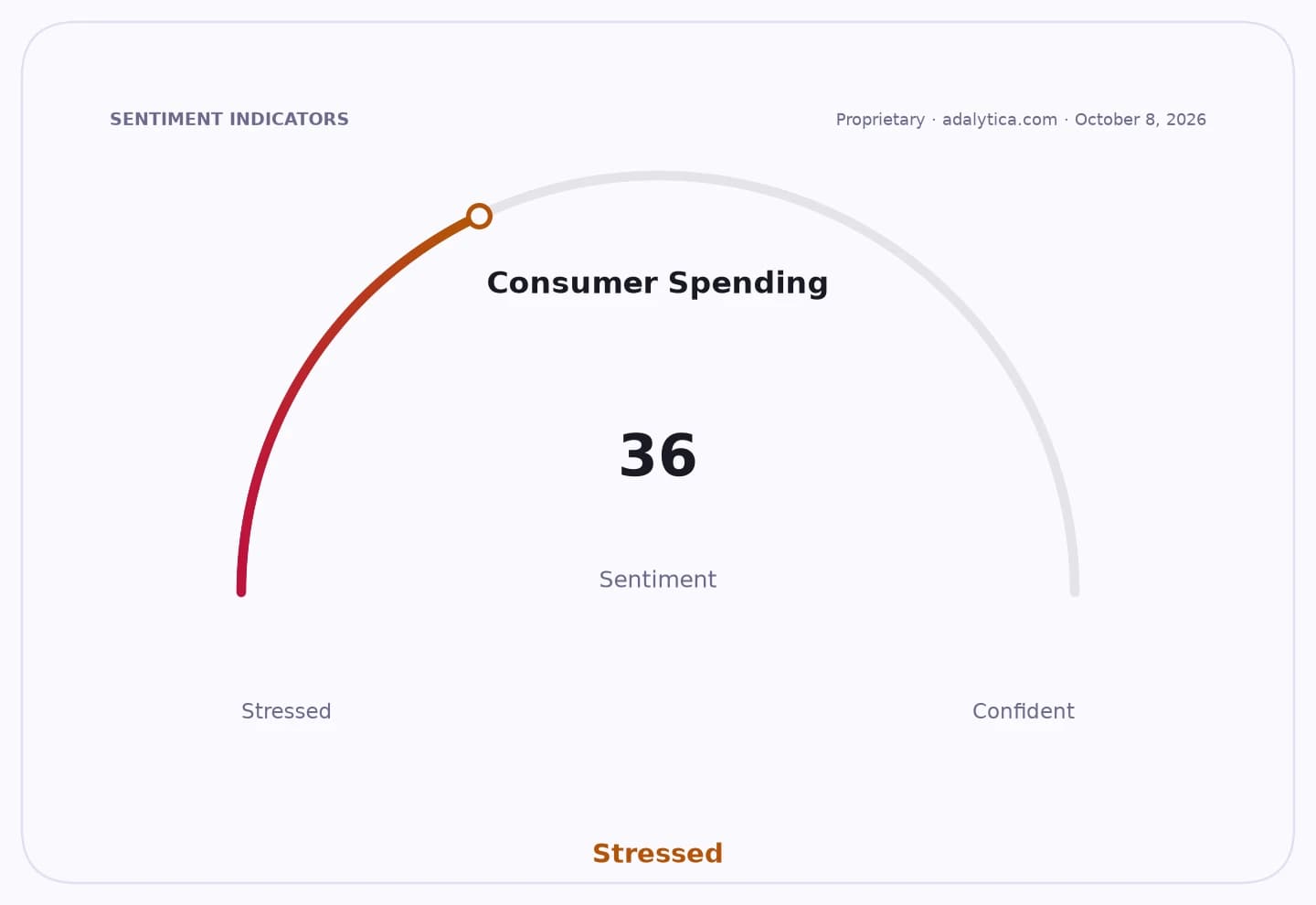
Luxury demand is weakening for a third straight month, a sign that higher borrowing costs and strained household budgets are finally reaching even the top end of the consumer market.
Luxury Demand Weakens Across Ralph Lauren, LVMH
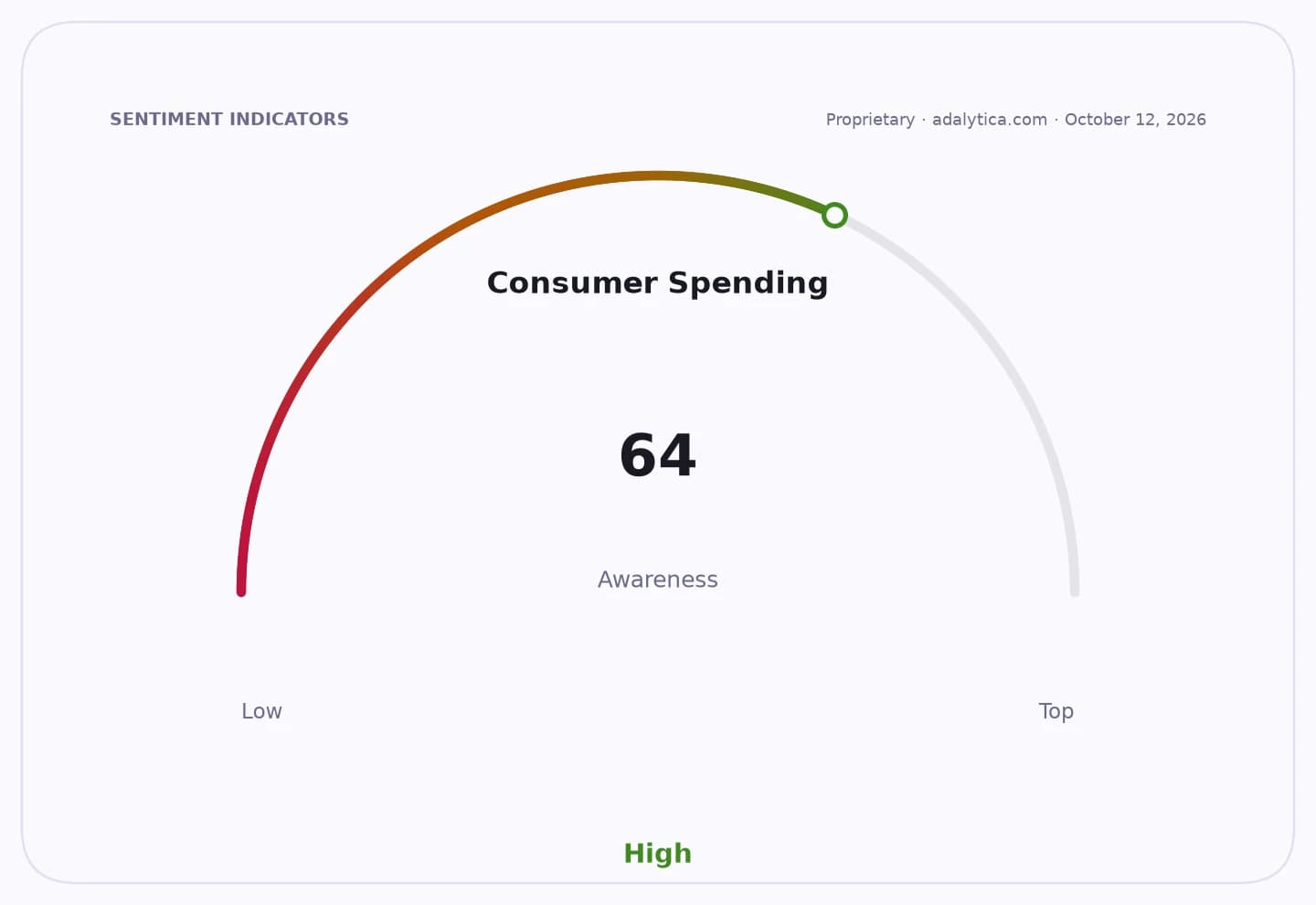
The pullback matters because luxury purchases have typically been one of the last areas to crack when the economy slows. When affluent shoppers start trimming discretionary spending, it often points to broader caution across retail, weaker pricing power for premium brands and a more selective consumer heading into a politically sensitive period.
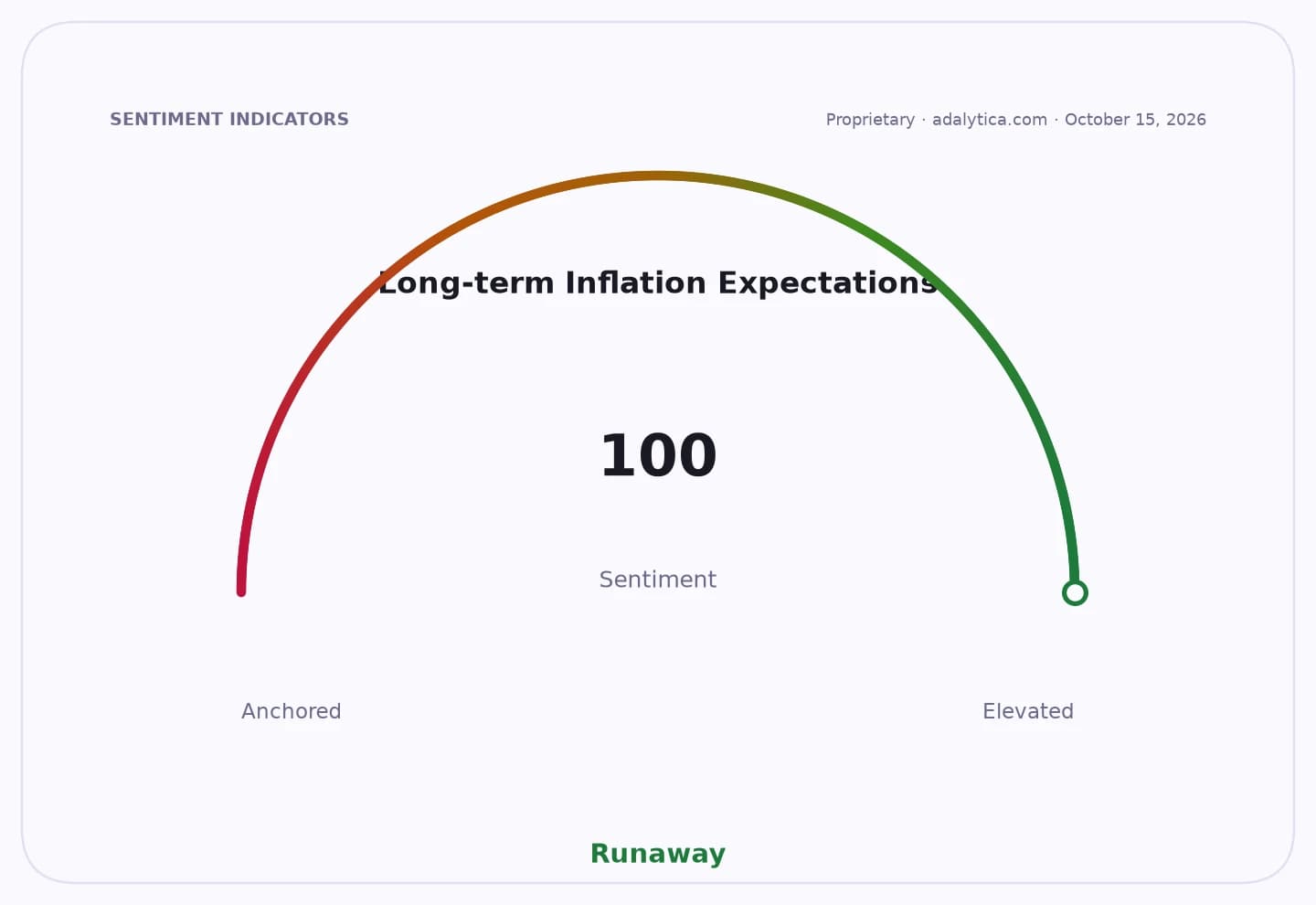
Sentiment IndicatorsⓘProprietary · adalytica.com · October 12, 2026
This is a snapshot — live sentiment, awareness and momentum for 130+ markets update continuously in the dashboard.Open AlphaPulse
That dynamic is showing up not just in sentiment, but in the share prices of luxury and premium-facing groups. Ralph Lauren, LVMH and Estée Lauder have all been under pressure in recent sessions, with investors reassessing whether the strength that helped sustain premium retail through earlier stages of inflation can hold up as financing costs stay high and consumers become more cautious. Technical readings on those names have also softened, with several trading below their 200-day moving averages or near oversold territory, underscoring the market’s concern that the slowdown in demand is no longer temporary.
The macro backdrop is increasingly consistent with that view. In Australia, consumer confidence has dropped to the lowest level since the early 1990s recession after the central bank lifted rates to a 15-year high, while a Westpac-Melbourne Institute survey showed confidence plunging to 67.2 among respondents surveyed after the rate decision. In Mexico, consumer confidence fell again in September, with households reporting weaker expectations for their finances and a dimmer outlook for major purchases. Across markets, the message is similar: rising rates and persistent cost-of-living pressure are squeezing discretionary spending, even before any broader labor-market deterioration.
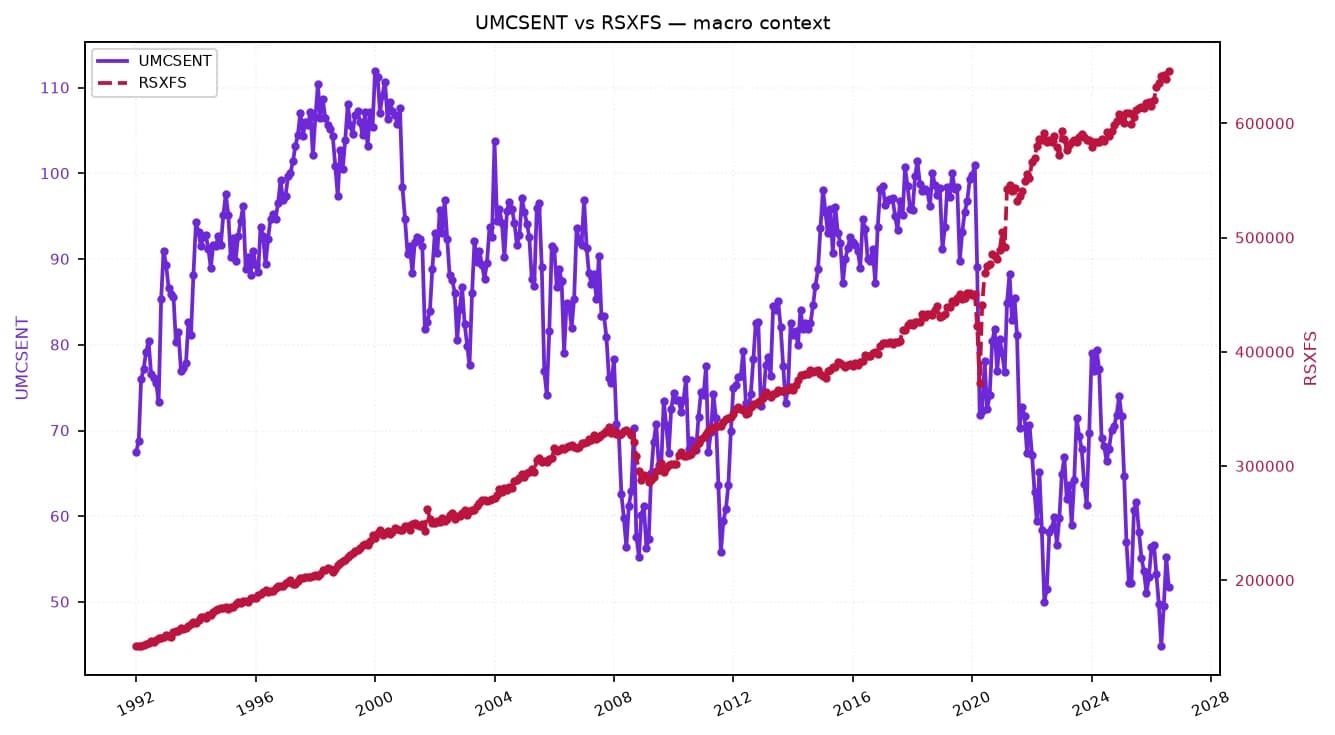
Consumer Spending vs RLadalytica.com
Explore this data interactively — full history, time series and cross-market comparisons.Open AlphaPulse
That is especially important for luxury investors because the sector’s earnings model depends on both resilient demand and pricing power. When consumers become more price-sensitive, brands can face a trade-off between protecting margins and sustaining volumes. For groups such as Ralph Lauren, which has benefited from strong branding and a premium positioning in the U.S., and European luxury leaders such as LVMH, the risk is not only slower sales growth but a more uneven regional mix, with aspirational buyers retreating first. For Estée Lauder, which is already dealing with a more cautious beauty consumer and inventory normalization, the pressure can be sharper because premium beauty is often one of the earliest discretionary purchases to be cut or traded down.
The timing also carries political weight. A cooling luxury cycle ahead of U.S. midterms reinforces the sense that consumers are becoming less willing to absorb higher prices, a warning sign for incumbents defending economic stewardship. If wealthier households are pulling back on optional spending, it raises questions about whether the broader economy is stronger than it feels — or simply being held up by a narrow slice of income cohorts that are beginning to get more selective.
For investors, the key issue is whether this is a temporary normalization after years of post-pandemic splurging or the start of a more durable downshift in high-end demand. A shallow slowdown would favor companies with strong balance sheets, scarce brands and exposure to wealthy tourists. A deeper one would favor discount and value retailers, private-label players and companies able to gain share from trading down. The next catalyst will be upcoming retail updates and holiday-order commentary, which will show whether the softness in luxury is spreading beyond the margins and into core demand.
| Entity | Gains | Losses |
|---|---|---|
| Discount retailers | ▲Trade-down traffic | ▼Luxury share gains |
| Ralph Lauren | ▲Brand resilience if wealthy demand holds | ▼Aspirational buyers |
| LVMH | ▲Ultra-rich spend | ▼Premium volume growth |
| Estée Lauder | ▲Prestige beauty loyalty | ▼Broad discretionary demand |