Luxury footwear is emerging as a brighter profit pool than handbags as consumers trade down from $5,000-plus bags into statement shoes that cost less than half as much, giving brands a cheaper way to sell novelty, drive traffic and protect margins.
Luxury Footwear Gains as Handbag Demand Slows
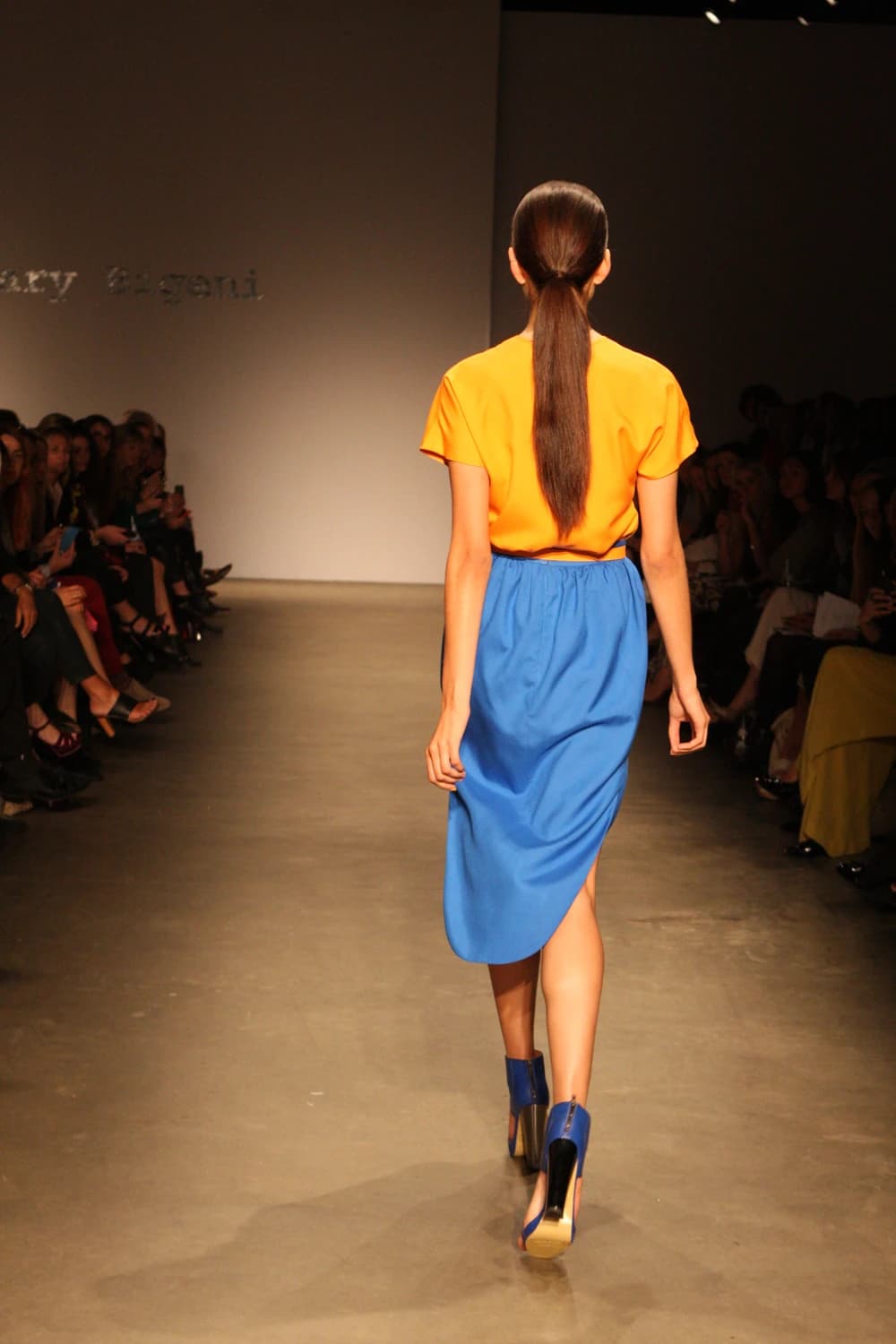
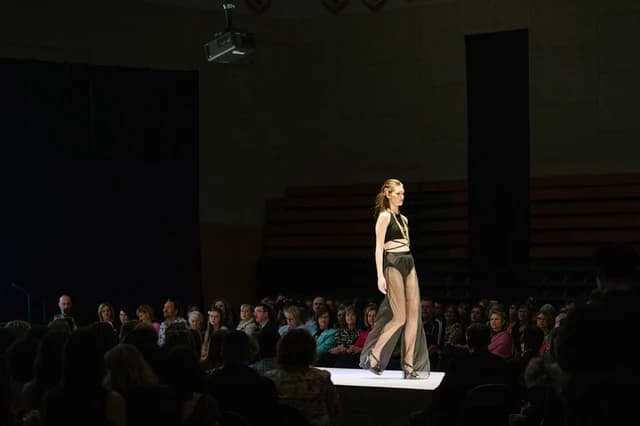
That shift is showing up on runways, in wholesale orders and in the stock market. Fashion houses from Prada to Dior and Loewe are pushing exaggerated heels, cutouts and embellished slingbacks, while buyers say demand has swung away from the minimalist, practical styles that dominated recent seasons. The appeal is economic as much as aesthetic: shoes typically cost about a third of handbags on average, are cheaper to manufacture than bags and let brands introduce more fresh styles each season.
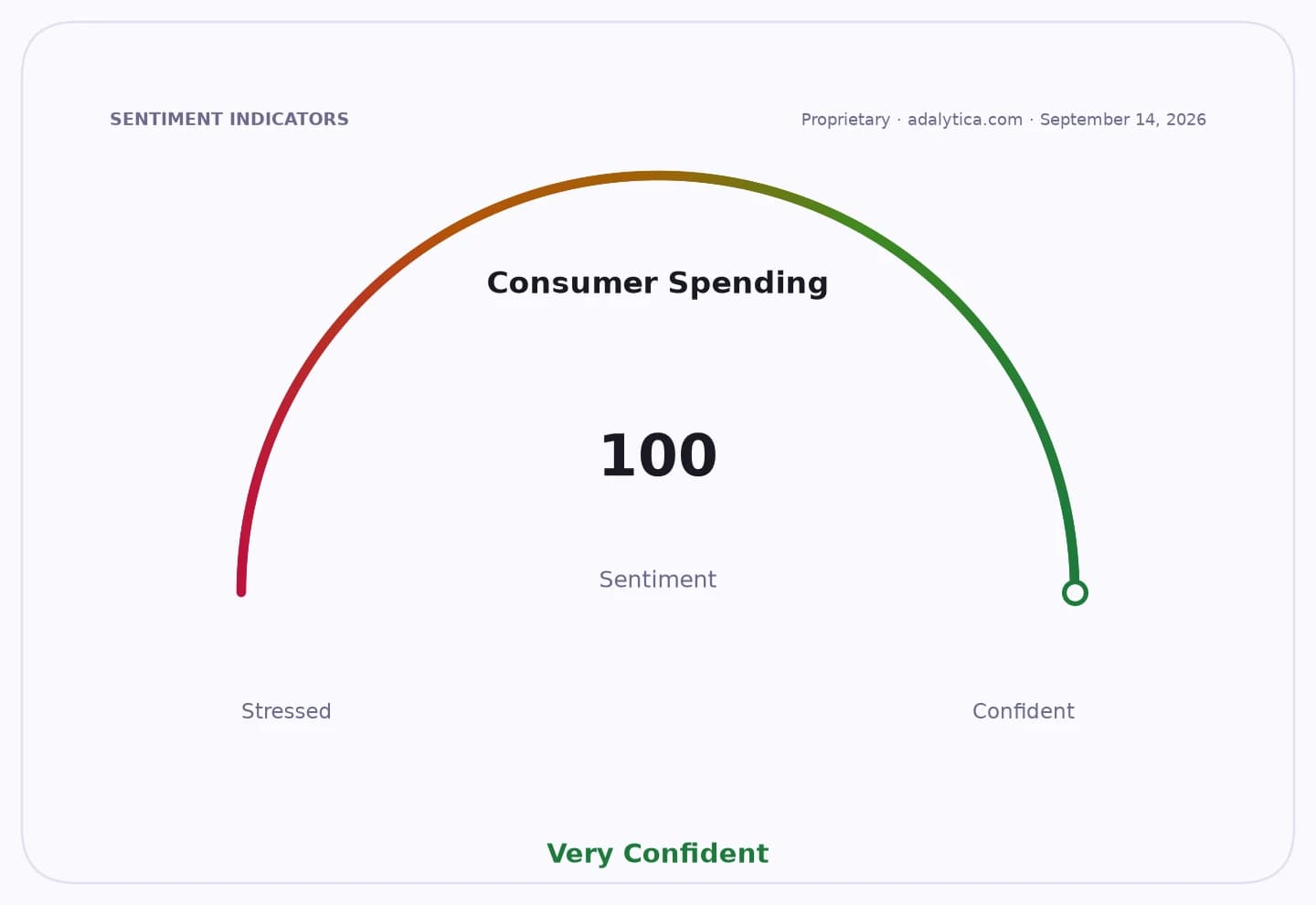
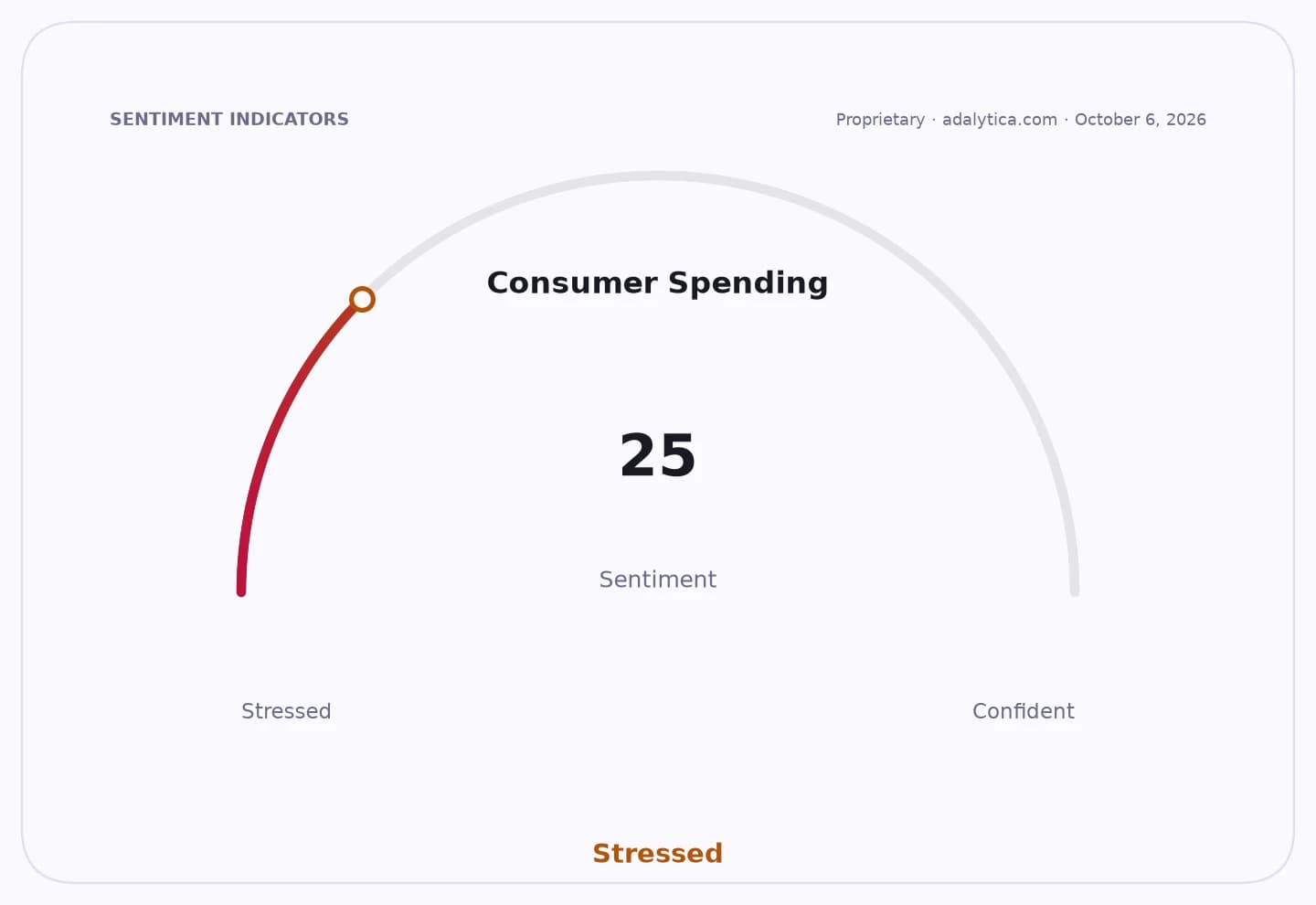
Sentiment IndicatorsⓘProprietary · adalytica.com · October 6, 2026
This is a snapshot — live sentiment, awareness and momentum for 130+ markets update continuously in the dashboard.Open AlphaPulse
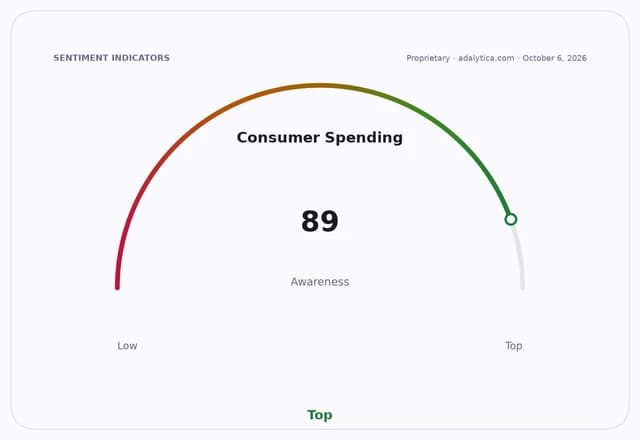
For investors, the bigger implication is that footwear is becoming a more valuable lever across the industry. Better-performing shoe lines can support mix, offset slower handbag demand and provide a faster refresh cycle than apparel. That matters at a time when middle-class consumers are under pressure and still want a luxury purchase that feels special without requiring an outsize commitment.
The phenomenon is also widening the gap between brands that can execute distinctive footwear and those that cannot. Larger luxury groups have the budget, ateliers and materials to push more experimental designs, but challengers are gaining share with recognizable shapes and comfort-led propositions. Jude and Herbert Levine have built momentum on unusual silhouettes that remain wearable, while Tory Burch said footwear now accounts for a third of its business, underscoring how central the category has become for labels with a strong design point of view.
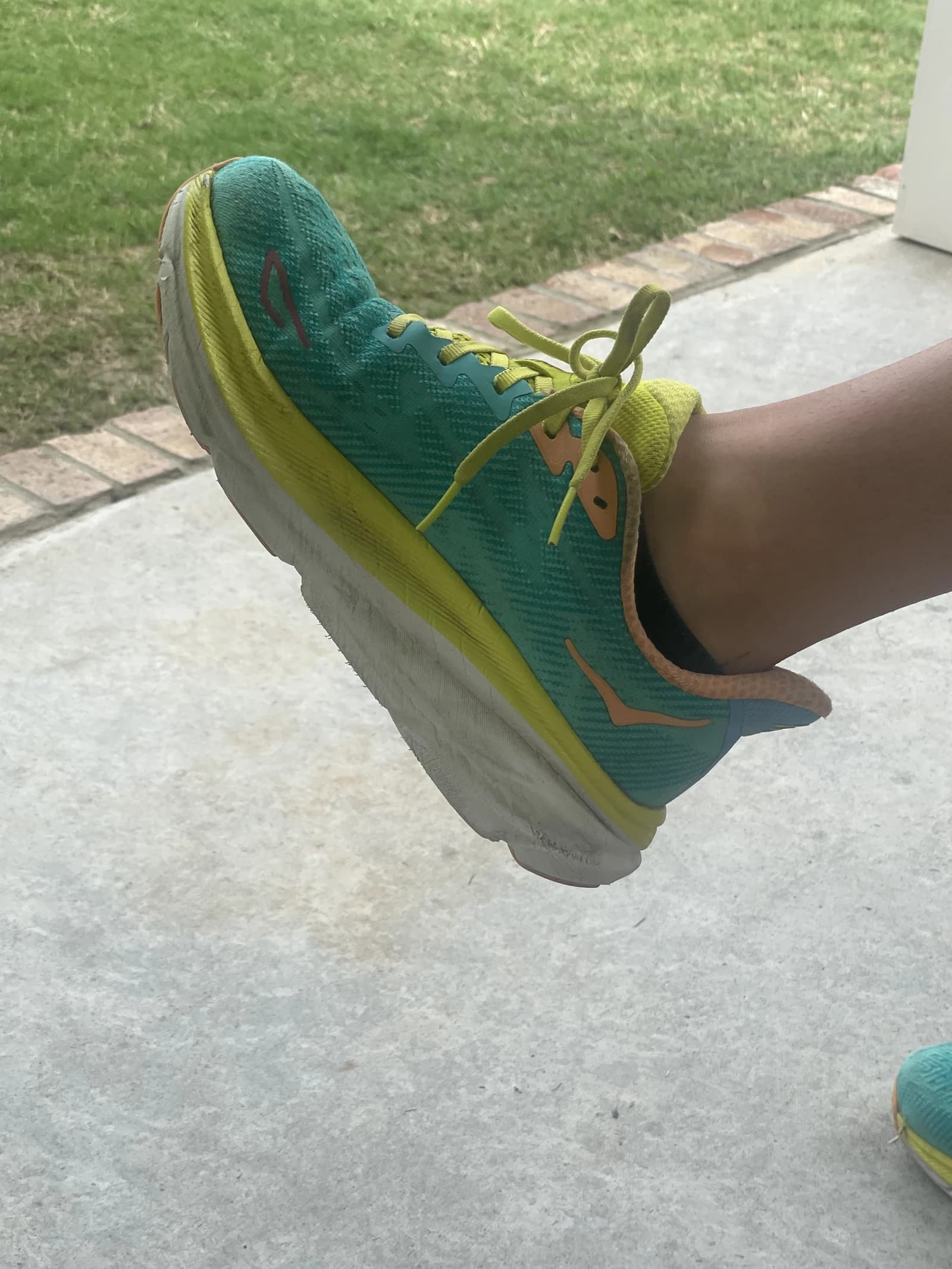
The trend has a broader read-through for mass-market footwear makers too. Athletic and comfort players are still the beneficiaries of the underlying consumer preference for cushioning, support and all-day wearability, even as style becomes more theatrical. ASICS walking shoes, for example, are getting enthusiastic consumer praise for comfort, while heritage comfort brands such as Merrell remain well positioned for consumers seeking versatility.
That sets up a two-track market. On one side are the “freaky” statement shoes that can lift full-price sell-through and create fashion buzz. On the other are comfort-first names that capture the same consumer budget, but through ergonomics rather than spectacle. For Nike, Deckers and Crocs, the opportunity is to prove that comfort and style can coexist; the risk is that if footwear becomes more fashion-driven, the brands that look too practical could lose pricing power.
The stock action suggests investors are already sorting winners from losers. Nike’s shares remain under pressure, with the stock around $34 and well below its 200-day moving average, reflecting doubts about execution as it clears inventory through markdowns and returns. Deckers, by contrast, has held up better after a strong run even though its shares have pulled back from earlier highs, while Crocs has also backed off from its peak after a powerful rally, showing the market still rewards brands that can make comfort feel current.
For luxury houses, the next test is whether the shoe boom can become a durable source of growth rather than a seasonal trend. If consumers continue to buy one standout pair instead of one more bag, footwear could become the category that keeps luxury spend rotating even as broader discretionary budgets stay tight.
| Entity | Gains | Losses |
|---|---|---|
| Luxury brands | ▲Higher-margin novelty sales | ▼Bag-category dependence |
| Challenger labels | ▲Faster brand traction | ▼Scale and manufacturing limits |
| Comfort footwear makers | ▲Demand for wearability | ▼Risk of looking too plain |
| Handbag-heavy brands | ▲— | ▼Share of discretionary luxury spend |