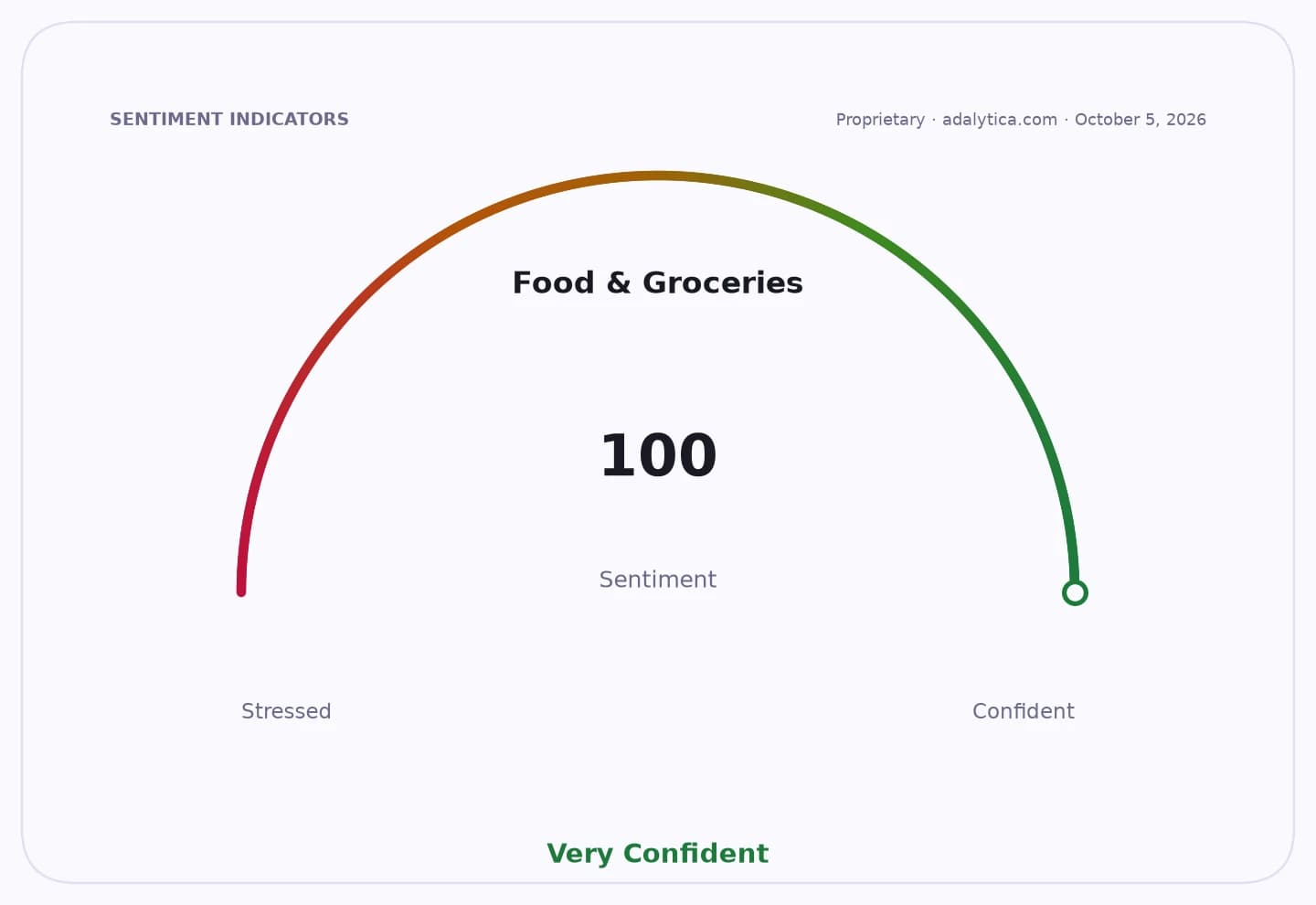
Retail sales growth slowed sharply in August, a sign that household demand is losing momentum just as economists were hoping summer spending would hold up through year-end.
Hungary Retail Sales Growth Slows in August
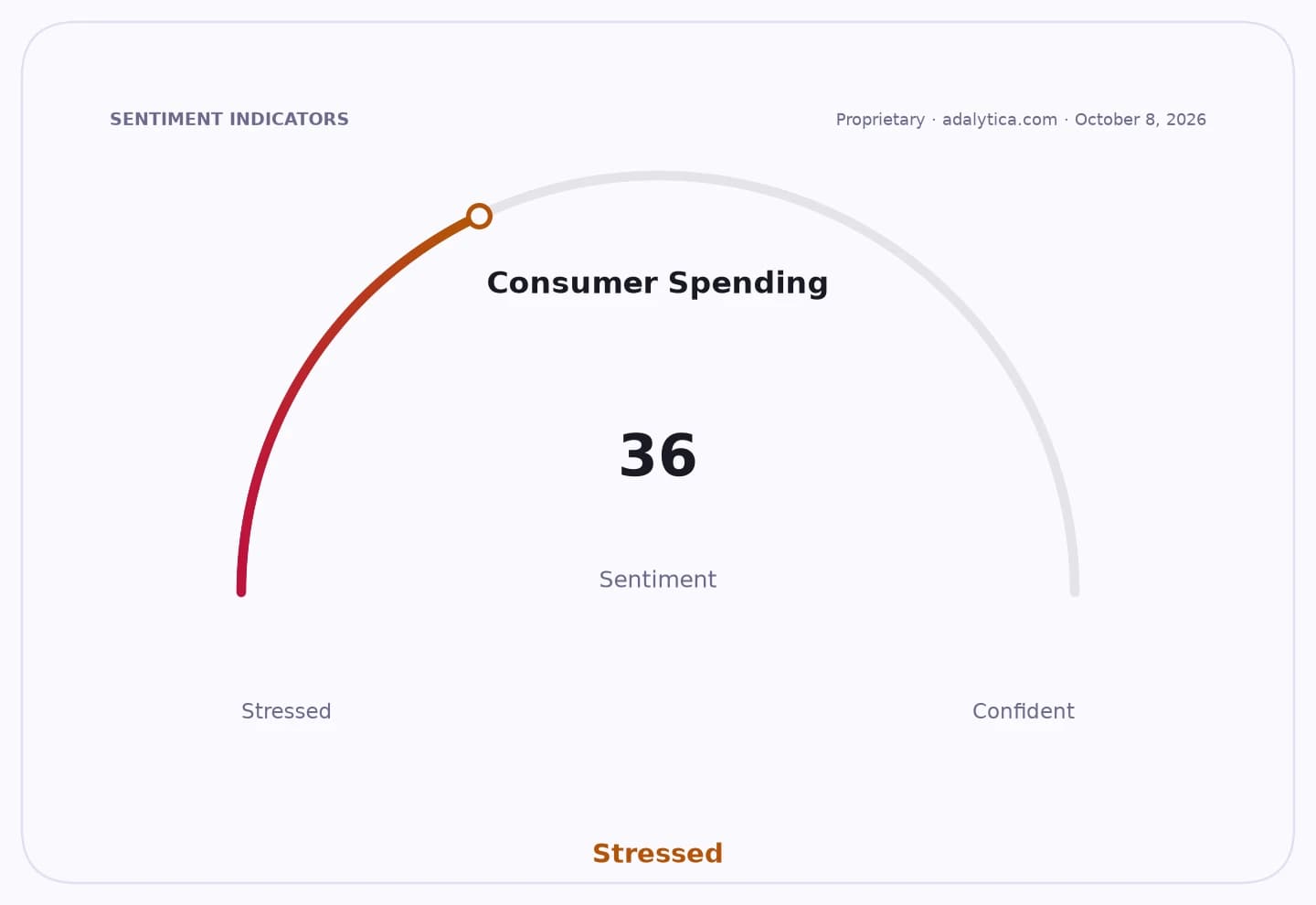
That matters because consumer spending is one of the biggest engines of economic growth. When retail volumes soften, it can ripple through GDP, company sales, wages and tax revenues — and it often tells investors more about the next few quarters than the headlines do about the last few months.
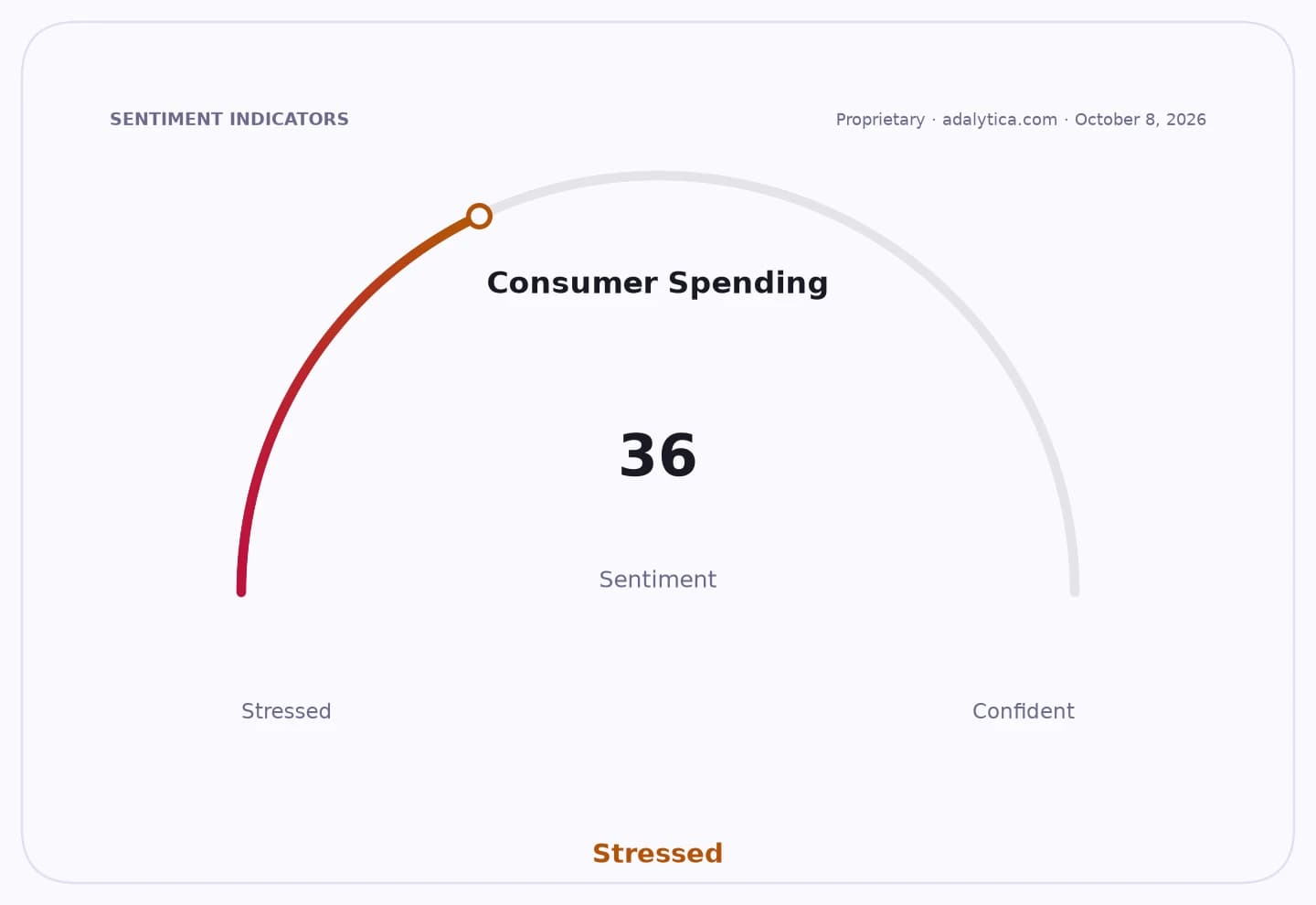
Sentiment IndicatorsⓘProprietary · adalytica.com · October 8, 2026
This is a snapshot — live sentiment, awareness and momentum for 130+ markets update continuously in the dashboard.Open AlphaPulse
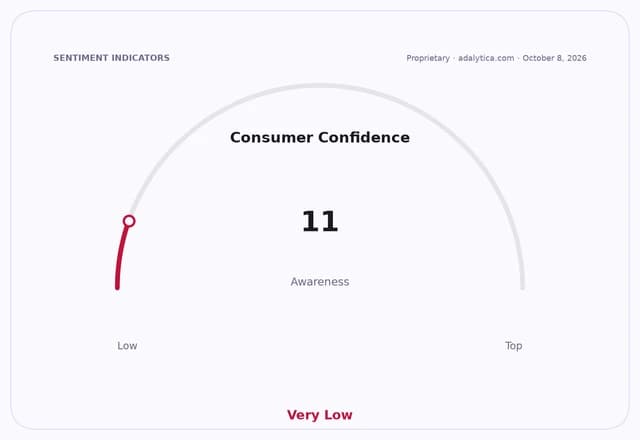
Hungary’s retail sales volume rose 2.4% from a year earlier in August, according to the Central Statistical Office, but that was the slowest annual pace since March last year. On a monthly basis, sales fell 0.7% after seasonal and calendar adjustment, a larger drop than in July. Economists called the reading an unpleasant surprise, especially after some had expected hot weather to support spending in certain categories.
The weakness was concentrated in food and fuel, according to MBH Analysis Center. That is important because these are the everyday purchases that reflect how confident households feel about their budgets. If consumers are pulling back on essentials, it usually suggests that real income growth, inflation pressures or cautious sentiment are starting to bite.

For investors, the message is straightforward: retail-linked businesses may not be getting the broad-based demand tailwind they enjoyed earlier in the year. That does not mean spending has collapsed — the sector is still expanding, and economists expect growth to continue through the rest of the year — but it does argue for a slower, choppier path. In other words, the consumer is still spending, just not with the same force.
That fits the bigger picture. Analysts said the underlying uptrend in retail sales has not broken, even though it has slowed over the summer. Gránit Asset Management’s Gábor Regős expects growth to continue, but at a more modest pace than at the start of the year. That is the kind of backdrop that rewards patience: companies with pricing power, efficient distribution and strong brands can keep compounding even when the macro current weakens.
For long-term investors, this is less a warning to run than a reminder to stay selective. Consumer staples, discounters and fuel-sensitive retailers may see uneven demand, while broader market funds and diversified portfolios can absorb the volatility. The latest data also reinforces a familiar investing truth — when the economy cools, durable businesses matter more.
The next few months will show whether August was just a hot-weather wobble or the start of a deeper slowdown. For now, retail sales still point to growth, but a slower one, and that is worth watching closely.
| Entity | Gains | Losses |
|---|---|---|
| Consumers with tight budgets | ▲Lower spending pressure | ▼Less room for discretionary purchases |
| Discount and value retailers | ▲Trade-down traffic | ▼Margin pressure from cautious shoppers |
| Retail-linked stocks | ▲Selective winners in staples | ▼Cyclical names tied to fuel and food demand |
| Hungary’s economy | ▲Slower but still positive growth | ▼Stronger consumer-led momentum |