September retail data from Santa Fe show a consumer sector still stuck in a low-growth trap, with 62.8% of local stores failing to beat annual inflation and many seeing sales shrink in real terms despite a modest monthly pickup.
Santa Fe retail sales lag inflation in September
The report from the Santa Fe Chamber of Commerce’s economic research unit matters because it points to a recovery that is still too weak to translate into broad-based purchasing power. With consumer prices up 33.5% over the past 12 months, only 21.6% of businesses reported revenue growth above inflation, while 41.2% posted nominal gains that still lagged price rises and 37.3% recorded outright declines versus a year earlier. In other words, most retailers are selling more expensive goods into a market where volumes remain under pressure.
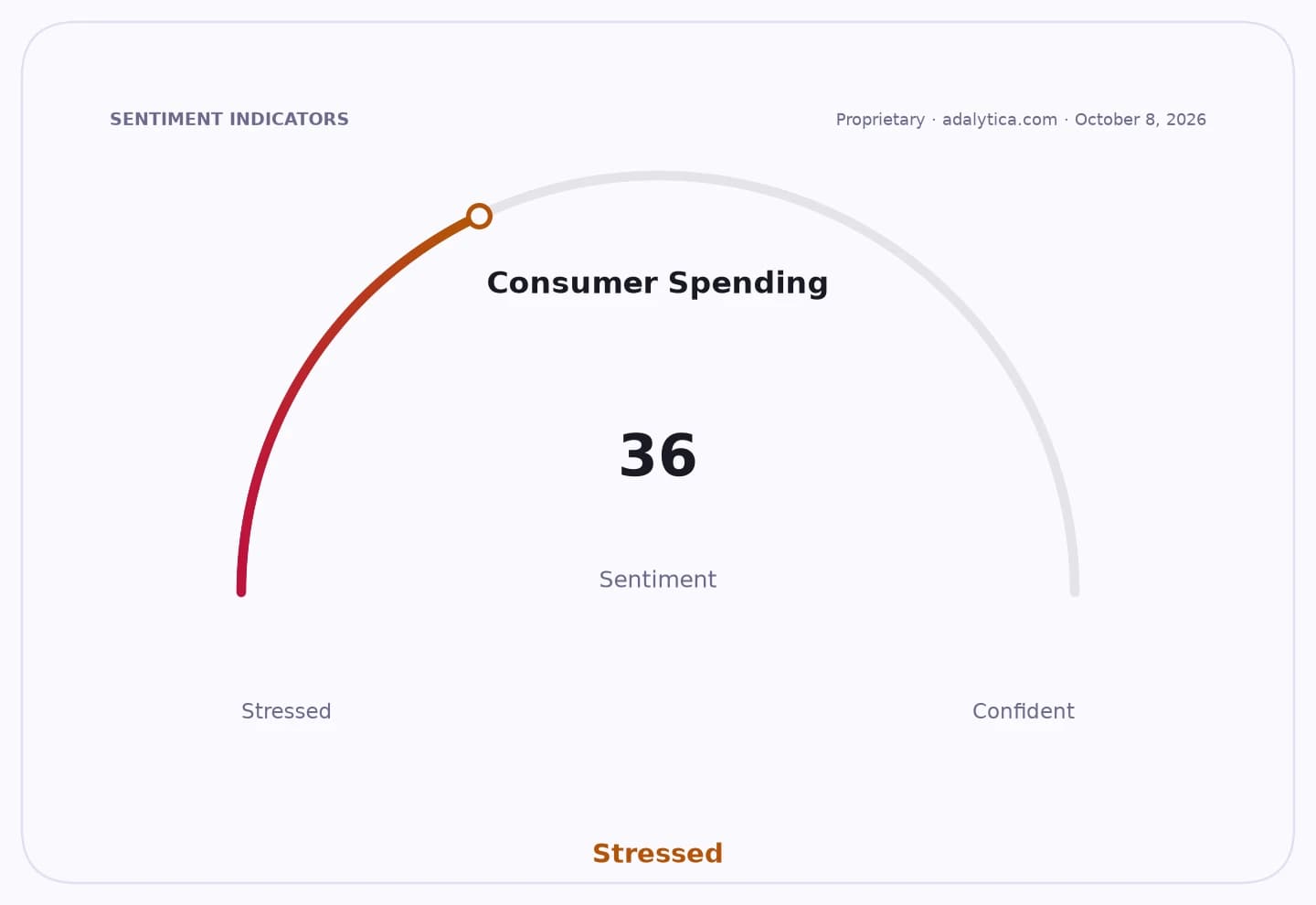
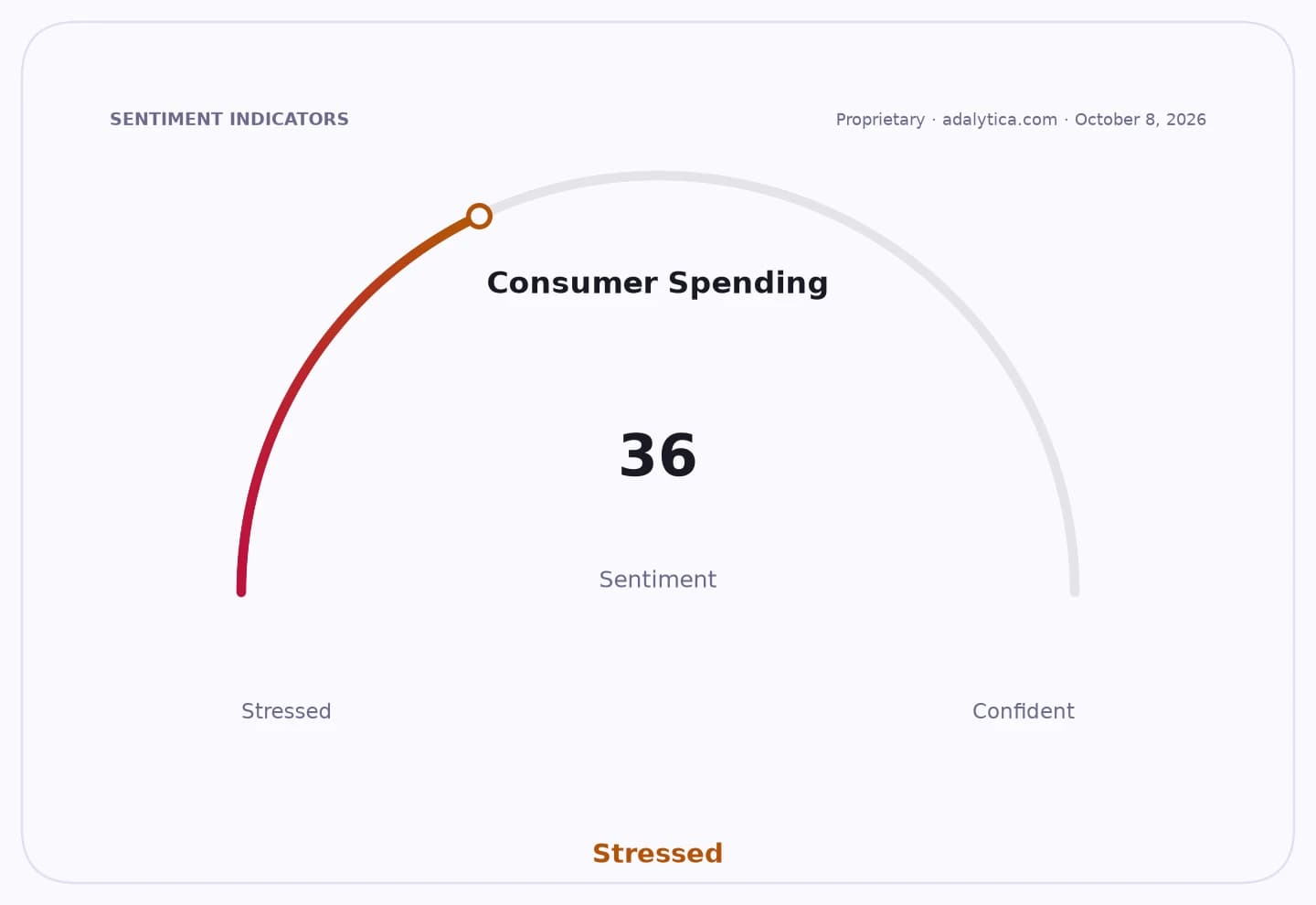
Sentiment IndicatorsⓘProprietary · adalytica.com · October 8, 2026
This is a snapshot — live sentiment, awareness and momentum for 130+ markets update continuously in the dashboard.Open AlphaPulse
That distinction is critical for the local economy. Nominal sales can look stable even as households buy less, which limits the spillover into hiring, capital spending and supplier demand. The chamber said activity was broadly flat at middling levels, an assessment that fits the data: September was better than a year-on-year collapse, but not strong enough to restore pricing power across the sector. Seasonal apparel and footwear restocking, plus a limited lift from the South American Games in Santa Fe, helped monthly sales, yet the effect appears concentrated and temporary rather than a sign of a durable consumption rebound.
The labor numbers underline the fragility of the recovery. Only 3.6% of merchants expect to hire over the next six months, while 25% foresee cuts and 71.4% plan to keep staffing unchanged. That is a defensive stance, and it suggests business owners remain reluctant to commit to fixed costs while inflation and demand uncertainty persist. The survey also showed 42.6% of firms are not considering investment in infrastructure or equipment, a sign that retailers are prioritizing liquidity over expansion.
For investors, the report reinforces a split between companies with pricing power and those dependent on volume growth. Mall landlords and shopping-center operators can still benefit if tenants pass along inflation through rents and survive long enough to renew leases, but weak consumer purchasing power raises the risk of churn, delayed openings and uneven occupancy trends. In Argentina’s retail chain, that can mean steadier top-line rent collection for prime properties, but softer sales productivity for tenants and more pressure on smaller operators.
The outlook is not entirely bleak. A majority, 61.1%, still expects its financial position to improve within a year, which suggests merchants see relief ahead from lower inflation, better wage formation or a steadier macro backdrop. But for now, Santa Fe’s retail market looks more like stabilization at subdued levels than a true rebound. The key test will be whether inflation continues to cool enough for real sales to turn positive, or whether retailers remain trapped in the same pattern of higher prices, thin margins and cautious spending.
| Entity | Gains | Losses |
|---|---|---|
| Large retailers | ▲Better scale, pricing power | ▼Smaller rivals’ weakness |
| Small merchants | ▲Temporary seasonal lift | ▼Real sales growth |
| Consumers | ▲Wider choice in stable stores | ▼Purchasing power |
| Mall landlords | ▲Rent inflow from surviving tenants | ▼Tenant churn risk |