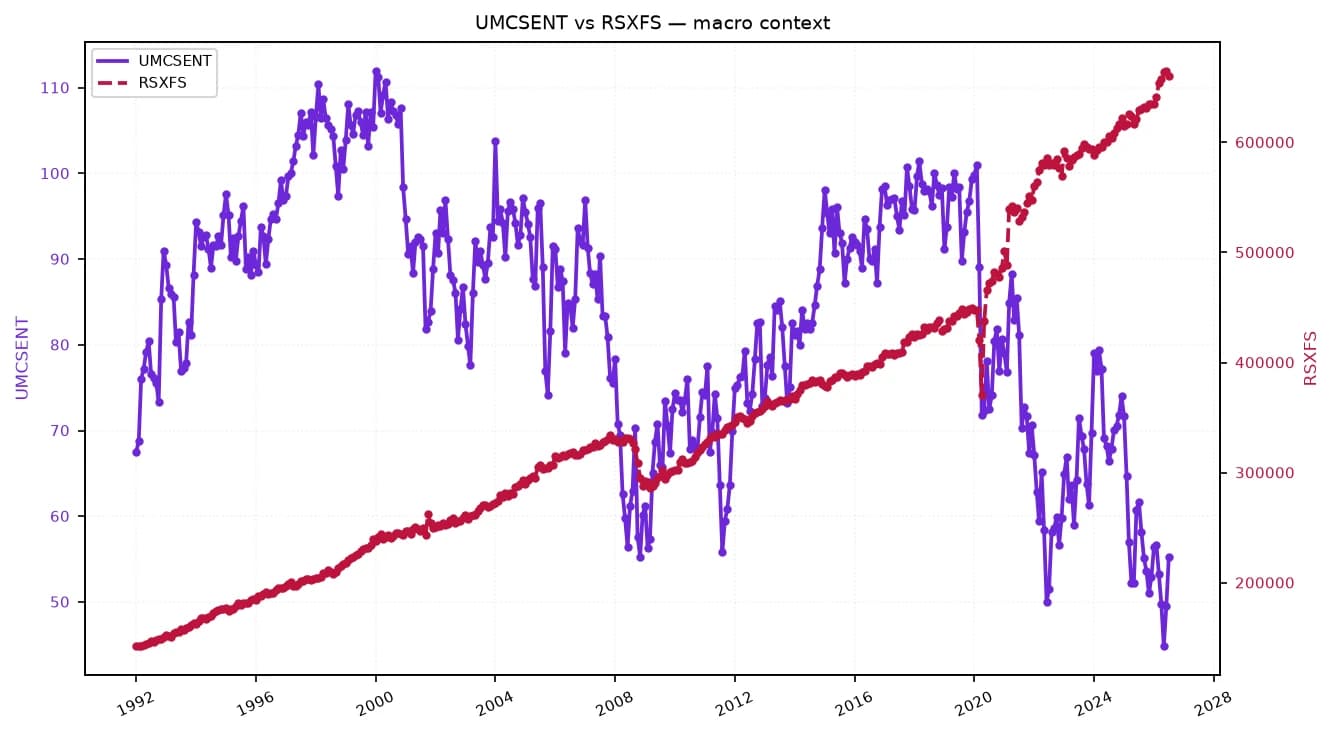
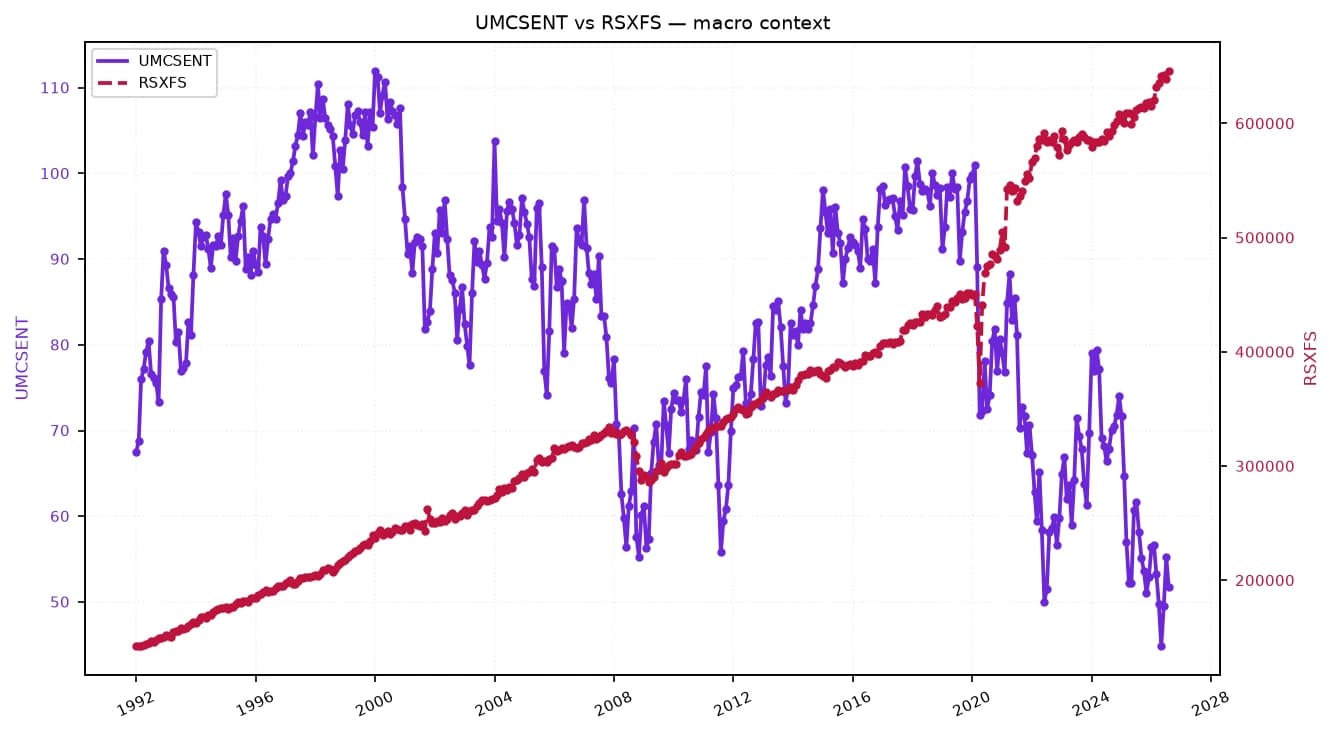
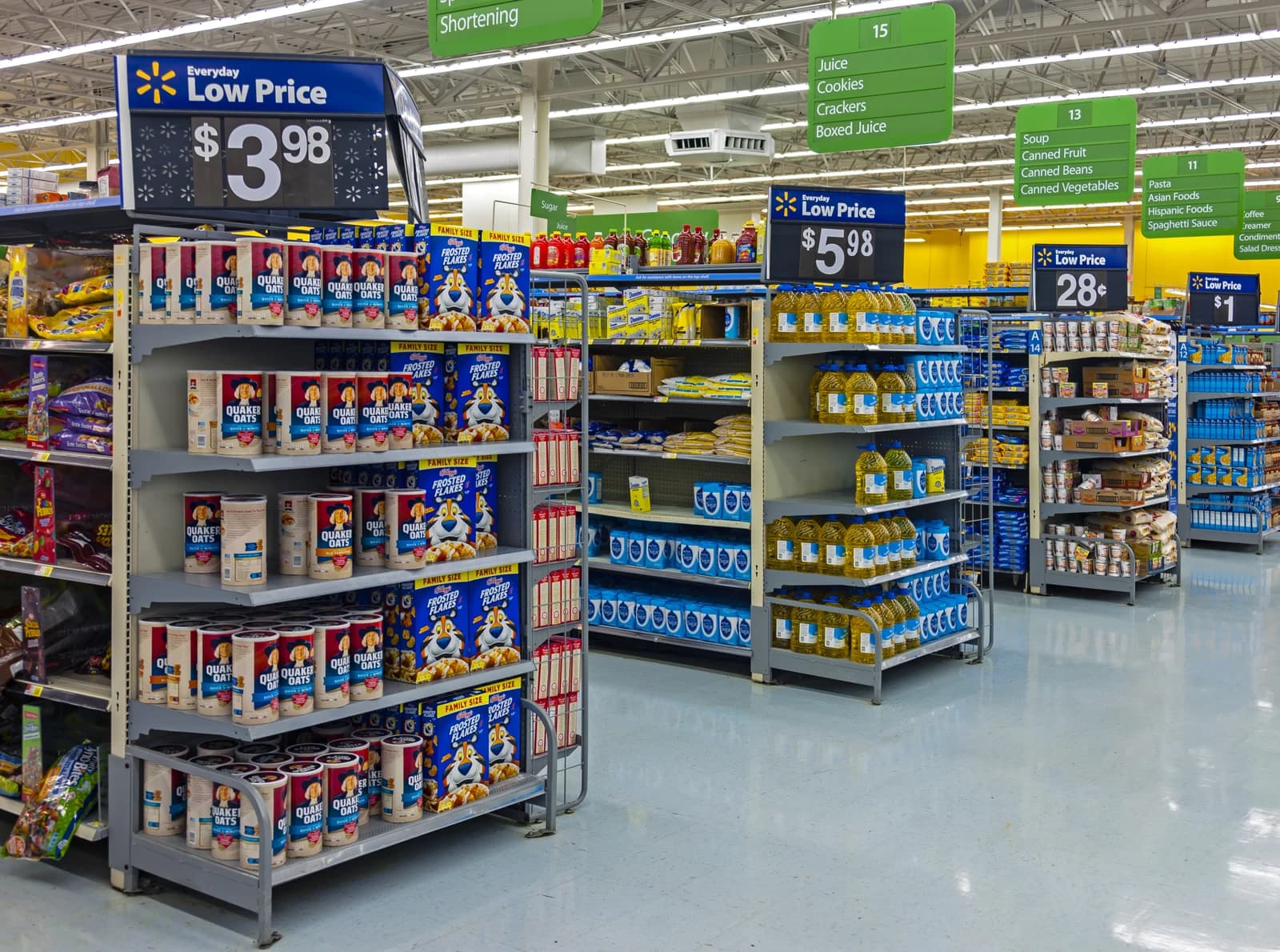
Consumer confidence is becoming one of the most important forces in the market because it now determines not just what people buy, but how much pricing power businesses can actually hold onto. When households feel uncertain, they trade down, delay purchases and demand more proof that a premium price is worth paying.
Consumer confidence weakens pricing power for retailers
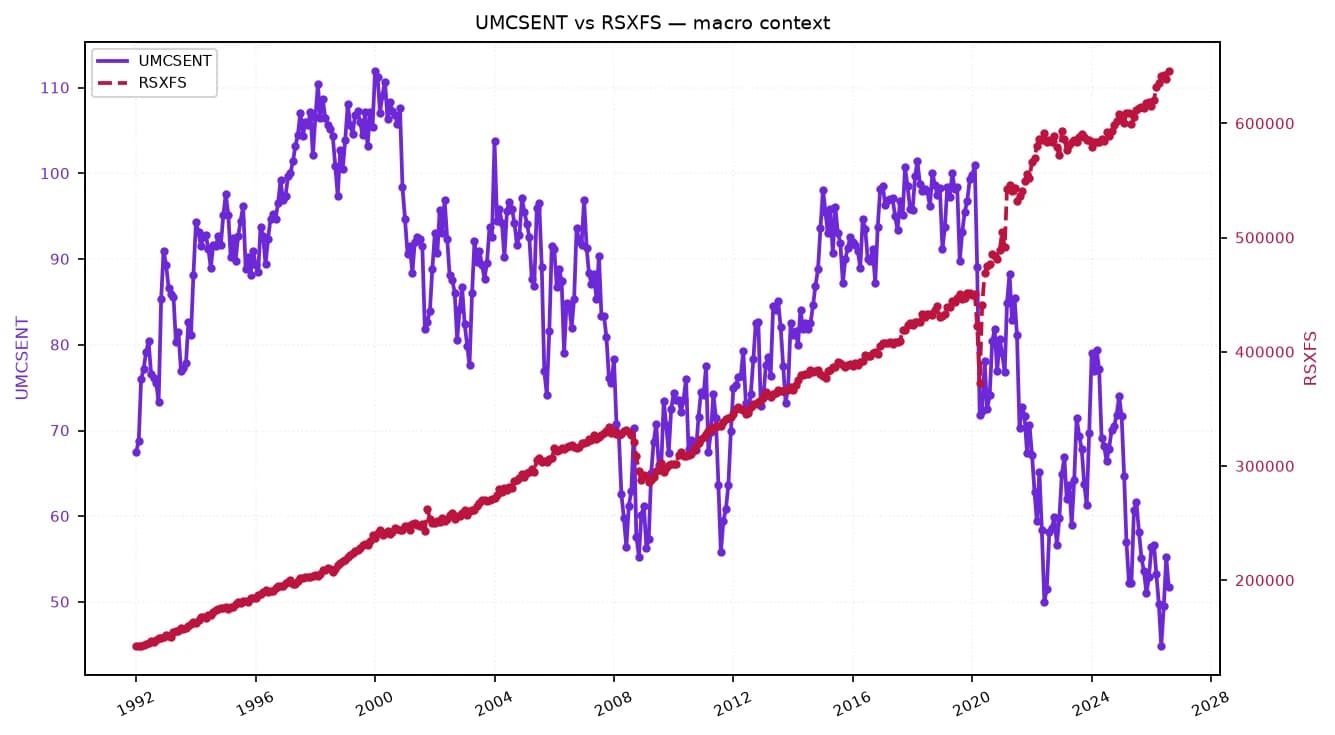
That matters well beyond the checkout counter. The latest signal from California, where consumer confidence has fallen to a 13-year low, fits a broader U.S. pattern of weakening sentiment as inflation expectations rise and economic stability looks less secure. In September, U.S. consumer confidence dropped to levels not seen since 2014, underscoring how fragile the consumer remains even when parts of the economy still look resilient.
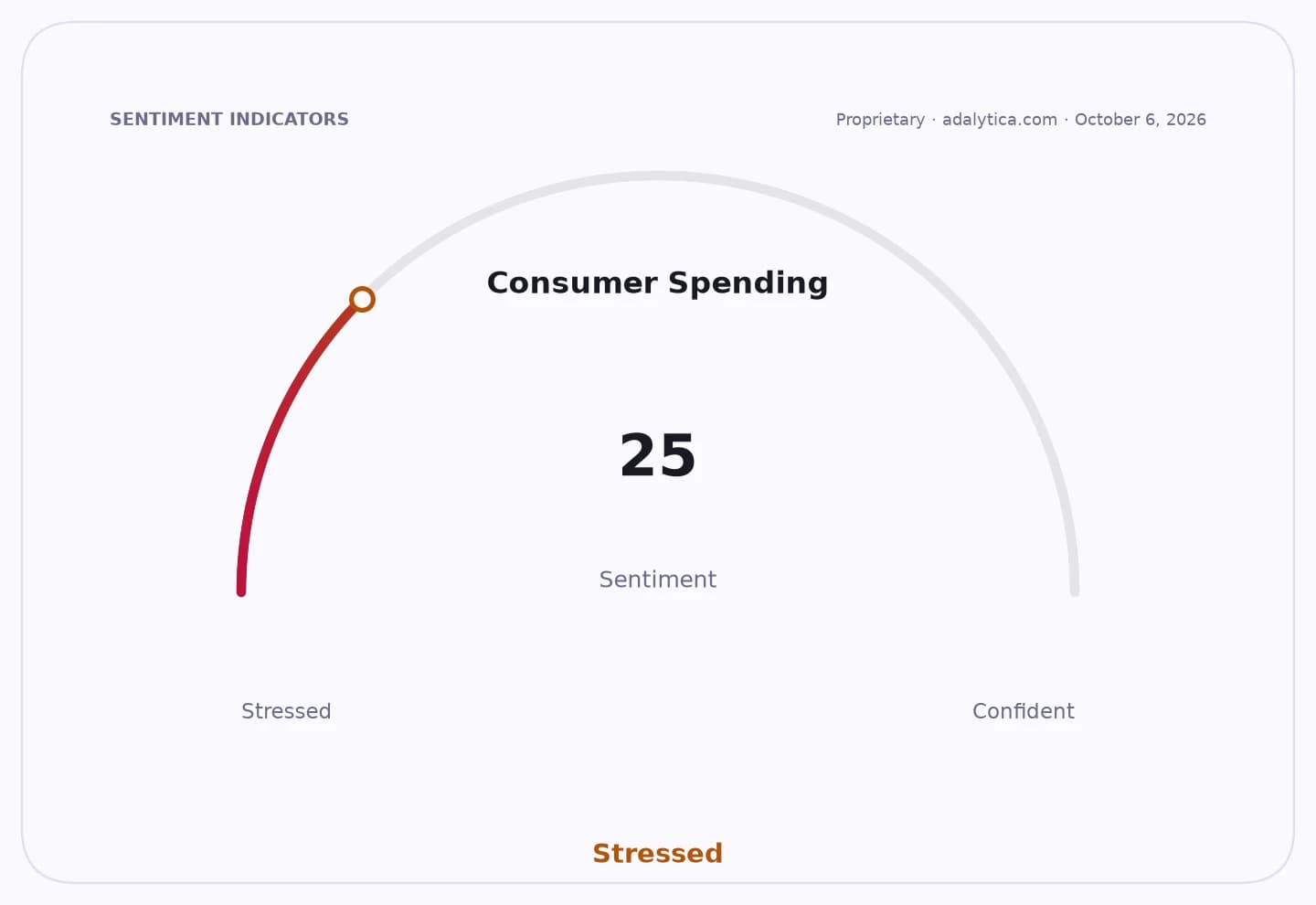
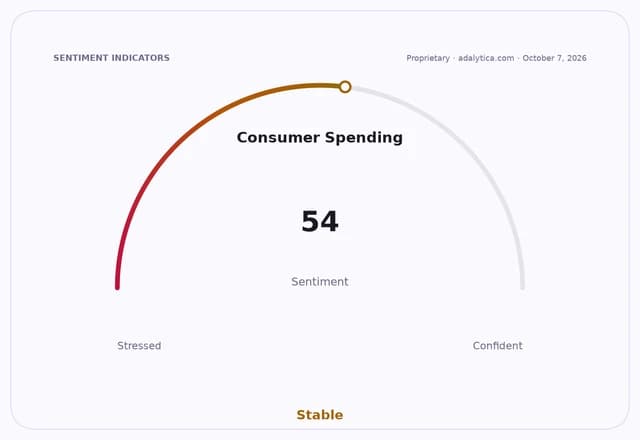
Sentiment IndicatorsⓘProprietary · adalytica.com · October 7, 2026
This is a snapshot — live sentiment, awareness and momentum for 130+ markets update continuously in the dashboard.Open AlphaPulse
For investors, that shift changes the earnings math. Businesses that rely on impulse buying or brand loyalty without a clear value proposition may find growth harder to sustain. Companies with strong service, reliability and after-sales support can defend margins better because confidence becomes part of the product itself. That is especially true in premium categories, where customers want more than a higher price tag — they want evidence that the extra cost buys better outcomes, better convenience or a better experience.
The data also helps explain why consumer-facing stocks can feel so uneven even when the broader market is strong. Adalytica’s Consumer Spending Sentiment snapshot is neutral at 54, while retail sales sentiment sits at 64. That suggests consumers are still spending, but with less conviction than in a confident cycle. At the same time, the S&P 500 has rebounded sharply and now trades near its 50-day and 200-day moving averages, a reminder that markets can look much healthier than the household mood beneath them.

Energy prices remain another key pressure point. U.S. oil has swung sharply in recent sessions, and higher fuel costs tend to hit confidence quickly because they leave less room in family budgets for discretionary spending. If inflation expectations stay elevated, households are likely to keep scrutinizing every purchase, which raises the bar for retailers, service companies and premium brands.
For long-term investors, the takeaway is simple: confidence is not a soft metric. It shapes conversion, retention, referrals and pricing power, and those are the levers that compound earnings over time. The companies best positioned in this environment are the ones that can earn trust, stand behind their products and make customers feel certain they made the right choice. That is worth watching, and it is exactly the kind of advantage investors should want in a changing market.
| Entity | Gains | Losses |
|---|---|---|
| Trusted premium brands | ▲Higher pricing power | ▼Trade-down risk |
| Value retailers | ▲More price-conscious shoppers | ▼Margin pressure |
| Households | ▲Better value scrutiny | ▼Lower purchasing confidence |
| Consumer-facing equities | ▲Selective winners with moats | ▼Cyclical demand names |