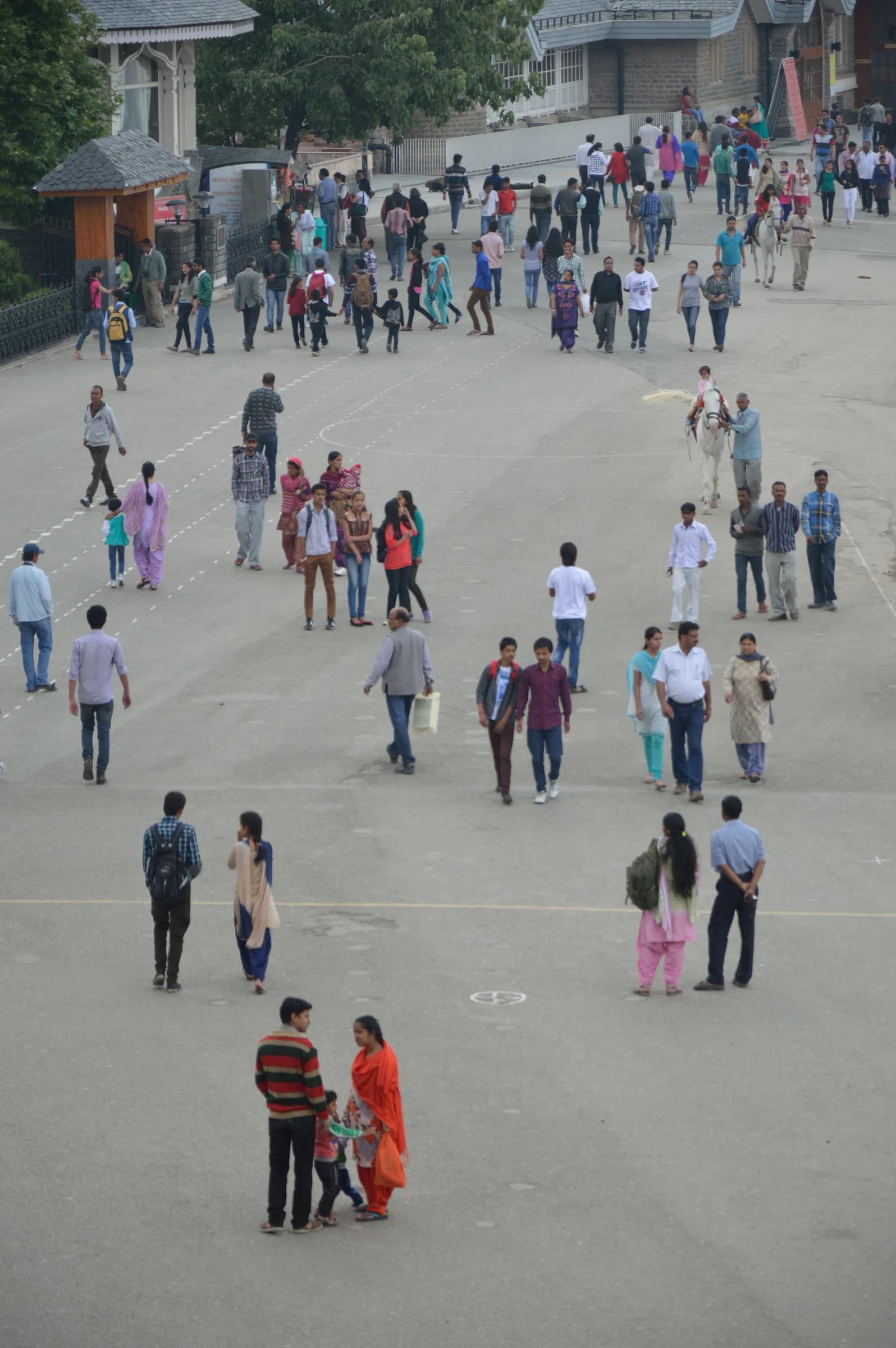
A New Zealand transport behaviour-change programme has logged more than 1 million journeys this year as councils look for cheaper, faster ways to ease pressure on road networks without building new infrastructure.
New Zealand travel challenge tops 1 million journeys
The Wednesday Challenge and Weekday Challenge, which began in Tauranga and now operate across multiple New Zealand centres as well as in Australia, have drawn more than 35,000 participants from 172 businesses and 66 schools. The initiative pushes people to walk, cycle, run, use public transport, scooter or carpool instead of driving alone.
Sentiment IndicatorsⓘProprietary · adalytica.com · October 16, 2026
This is a snapshot — live sentiment, awareness and momentum for 130+ markets update continuously in the dashboard.Open AlphaPulse
That matters because congestion relief and transport emissions cuts are increasingly being pursued through travel behaviour rather than just capital spending. For local governments, a programme that can shift commuter habits across thousands of trips offers a low-cost policy lever at a time when budgets are tight and transport systems are under strain.
Founder Heidi Hughes said the milestone reflected more than raw volume, arguing the initiative is helping people form new habits. Councils say the model gives them a practical way to engage residents and workplaces, with Queenstown Lakes, Hamilton and other local authorities citing strong uptake.
The programme’s spread from Tauranga to Whangārei, Auckland, Hamilton, Rotorua, Taupō, Palmerston North, Tairāwhiti/Gisborne and Queenstown suggests demand for alternatives to solo driving is not confined to one city. It has also expanded into Australia, with a schools challenge already launched in Wyndham, Victoria and a rollout planned for Noosa next year.
For investors, the story is a reminder that travel demand is not just about tourism or airline traffic. It also reflects broader transport patterns that can influence fuel demand, public transport usage, micromobility adoption and infrastructure spending priorities, while underscoring the economic appeal of tools that reduce congestion at relatively low cost.
The programme’s next test is whether participation can keep rising and whether the behaviour changes last beyond the challenge period. If they do, councils may have a template for stretching existing transport networks further without waiting for multiyear projects to deliver.
| Entity | Gains | Losses |
|---|---|---|
| Councils | ▲Lower congestion pressure | ▼Less dependence on road-building |
| Participants | ▲Cheaper, healthier commuting | ▼Solo-car convenience |
| Public transport, cycling, carpooling | ▲Higher usage | ▼Car-only commuting |
| Fuel retailers, single-occupant drivers | ▲— | ▼Lower trip volume, less car dependence |