Regional transport ministers are demanding more funding, sharpening a broader fight over who pays for cheaper public transit just as Victoria presses ahead with a $206 million fare cap and state debt climbs.
Victoria transport ministers seek more funding
The dispute matters because transport is a core public service with a heavy fiscal footprint: fare cuts can lift ridership and ease household costs, but they also leave governments to cover the gap. With transport ministers seeking more money, the issue is moving from a policy argument to a budget fight that could shape state spending plans and election economics.
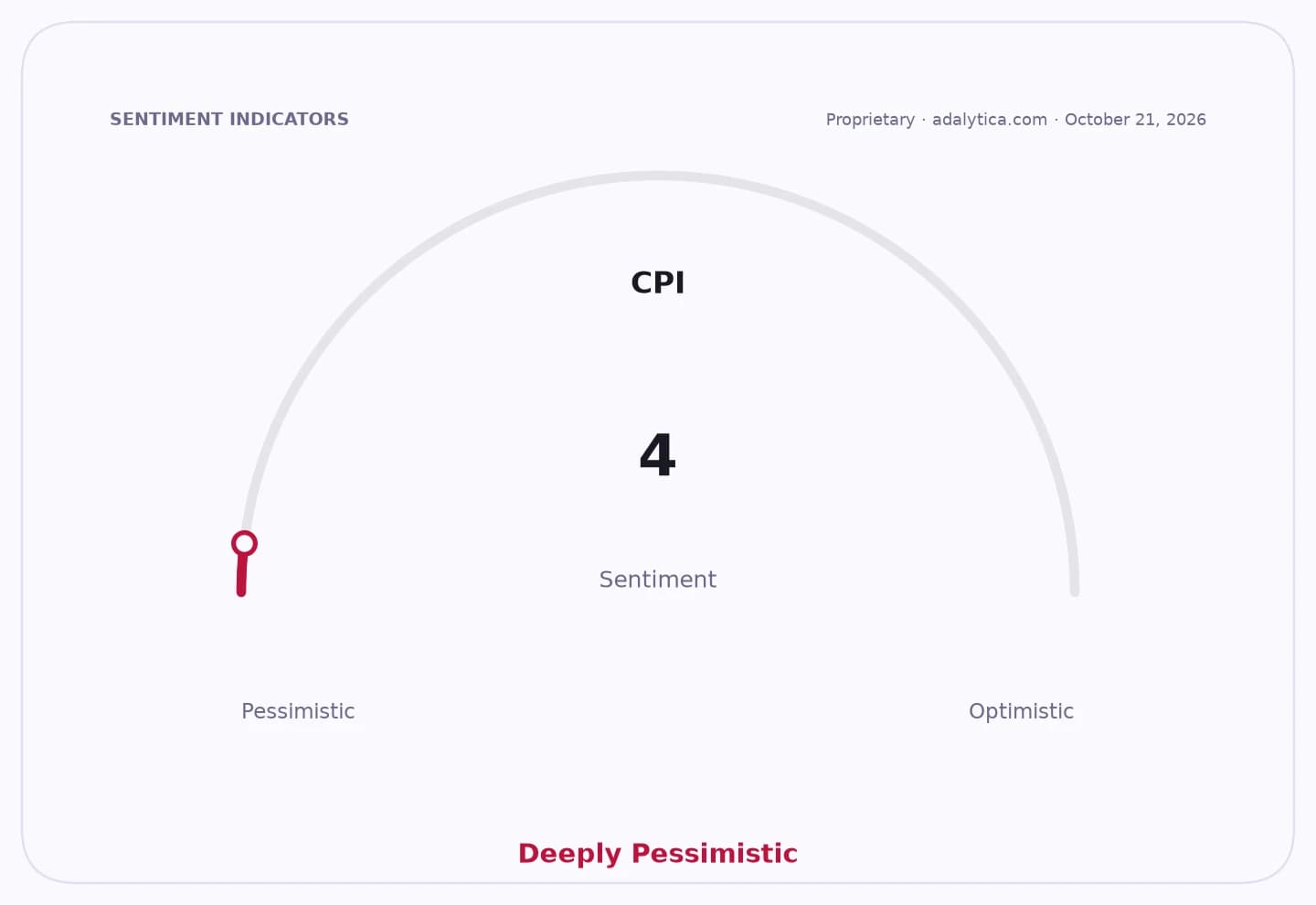
Sentiment IndicatorsⓘProprietary · adalytica.com · October 21, 2026
This is a snapshot — live sentiment, awareness and momentum for 130+ markets update continuously in the dashboard.Open AlphaPulse
Victoria’s plan to cap public transport fares at $30 a week has already drawn warnings from business leaders about debt and fiscal sustainability. Critics say the measure adds to an already stretched balance sheet, while supporters argue it makes commuting cheaper and could support labour mobility and consumer spending.
The tension is especially important for investors watching Australian public finances, infrastructure funding and transport-linked operators. If governments are forced to plug larger operating shortfalls, the pressure can spill into tax policy, bond issuance and capital spending priorities, while transport contractors and rail-related suppliers may see more volume but not necessarily stronger margins.
The broader narrative is straightforward: politicians are promising cheaper travel, but the bill is landing in budgets already under strain. That leaves transport funding, not fares alone, as the next market-sensitive test for state fiscal discipline ahead of the 2026 election.
| Entity | Gains | Losses |
|---|---|---|
| Commuters | ▲Lower weekly travel costs | ▼Less policy focus on service quality |
| Victorian government | ▲Election pitch on affordability | ▼Higher budget strain |
| Businesses and taxpayers | ▲Potential mobility gains | ▼Greater debt and tax risk |
| Transport operators | ▲Possible higher ridership | ▼Funding uncertainty and margin pressure |