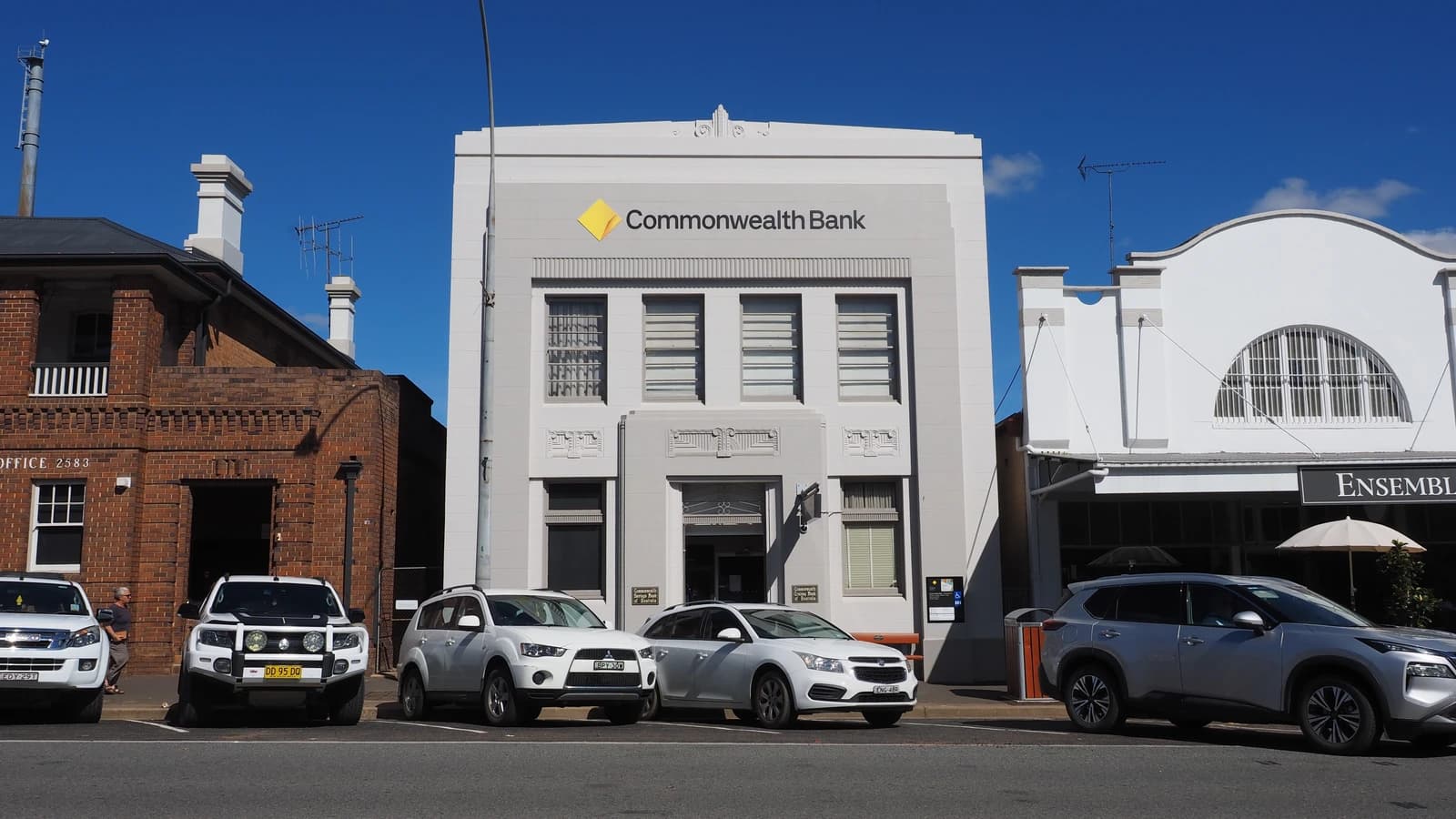
Australia’s states are borrowing harder and faster, and the risk is that Victoria’s debt problem stops looking like a local fiscal headache and starts behaving like a national funding issue.
Victoria debt risk spreads across Australia

That is the real economic significance of the “debt race to the bottom” now under way: when one of the country’s largest states carries the heaviest debt burden while others accelerate borrowing to chase spending and growth, the pressure can spread through bond markets, ratings and ultimately federal policy. Investors should care because state balance sheets are not abstract accounting exercises — they are the pricing mechanism for infrastructure, public services and the cost of capital across the Australian economy.
Sentiment IndicatorsⓘProprietary · adalytica.com · October 19, 2026
This is a snapshot — live sentiment, awareness and momentum for 130+ markets update continuously in the dashboard.Open AlphaPulse

The backdrop is an environment where global sovereign yields remain elevated by historical standards. The U.S. 10-year Treasury is around 5.10%, while the two-year sits near 4.77%, a reminder that governments are still financing in a much tighter world than during the ultra-low-rate era. Australia is not immune to that shift. Higher borrowing costs make every extra dollar of debt more painful, and they punish states that rely on debt-funded spending to support budgets, transport networks and social services.
That is why Victoria matters most. It already tops the key state debt metrics, yet the broader race to borrow more risks normalising weaker fiscal discipline across the federation. If markets begin to view state debt as a structural rather than temporary issue, funding spreads can widen, refinancing can become more expensive and the burden eventually lands on taxpayers — or on Canberra.
For investors, the implication is straightforward: this is not just a headline for state treasuries. It is a signal to watch Australian duration risk, bank exposure to domestic public-sector lending and the relative attractiveness of equities tied to infrastructure, construction and regulated utilities. States that can keep debt contained may preserve flexibility; those that cannot may be forced into higher taxes, delayed projects or spending restraint just as growth slows.
There is also a currency angle. The Australian dollar is trading near 0.69, with conventional technical indicators showing it below the 50-day moving average and RSI readings in the mid-30s, suggesting a market that is already discounting softer momentum. A fiscal deterioration at the state level would add another drag on sentiment if it feeds concerns about growth, credit quality and future rate pressure.
The market is underestimating how quickly a state debt story can become a macro story. Once borrowing costs rise, the weakest balance sheets lose policy room first. That is why Victoria’s position deserves more than local attention: it is the canary in Australia’s public-finance mine, and the opportunity for investors is to position early for a world where fiscal selectivity matters again.
| Entity | Gains | Losses |
|---|---|---|
| States with lower debt | ▲Funding flexibility | ▼Less political pressure |
| Victoria | ▲Short-term spending capacity | ▼Higher debt burden |
| Australian bond buyers | ▲Higher yield opportunity | ▼Credit spread risk |
| Taxpayers and ratepayers | ▲— | ▼Higher future financing costs |