Victoria’s fiscal squeeze is landing at exactly the wrong moment for governments around the world: benchmark borrowing costs remain elevated, making debt look less like a temporary funding tool and more like a structural risk that can spread from one region to the broader sovereign market.
Victoria debt squeeze and higher-for-longer yields

That is why warnings about a “debt race to the bottom” matter beyond state politics. When a heavily indebted region such as Victoria already tops every major debt measure, faster borrowing elsewhere raises the risk that markets begin to price public balance sheets as a relative trade, not a guaranteed backstop. The result is simple but dangerous: weaker credits pay more, refinancing gets harder, and politics becomes subordinate to bond math.
Sentiment IndicatorsⓘProprietary · adalytica.com · October 19, 2026
This is a snapshot — live sentiment, awareness and momentum for 130+ markets update continuously in the dashboard.Open AlphaPulse

In the U.S., the signal is clear. The 10-year Treasury yield was around 5.105%, while the two-year sat near 4.804%, leaving the yield curve only slightly positive at 35 basis points. That is not a benign backdrop for indebted borrowers. The front end remains restrictive, long-dated funding is still expensive, and the bond market is not offering much relief for issuers that need to roll debt or fund deficits. Treasury bond ETF TLT, despite a recent rebound to about 80.05, still trades below its 200-day moving average, a sign that investors remain cautious even after the recent pullback in yields.
The deeper issue is that governments are competing for capital in a world where rates no longer anchor near zero. Australia, the U.S. and other advanced economies are all trying to finance higher spending, while investors are more sensitive to fiscal slippage, duration risk and political complacency. For state governments, the danger is that debt service starts to crowd out core spending just as infrastructure, health and social costs rise.
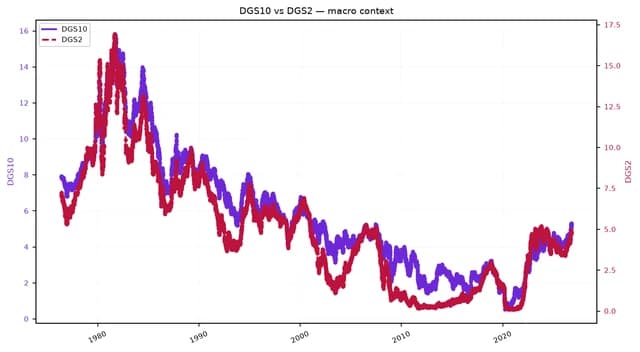
Victoria is therefore more than a local budget story. It is a test case for how far subnational balance sheets can stretch before markets, ratings agencies and voters force a correction. If borrowing continues to outpace revenue growth, the adjustment will eventually show up in higher taxes, spending cuts or costlier refinancing. If not managed early, the pressure can migrate upward to the national balance sheet through weaker confidence and larger implicit support expectations.
The investment takeaway is that this is a warning shot for bond investors, not a one-off headline. Investors should stay selective on long-duration sovereign exposure, watch the spread behavior of weaker public borrowers and favor assets that benefit if fiscal stress pushes yields higher for longer. The market is still underestimating how quickly a state debt problem can become a pricing problem for the whole public sector.
| Entity | Gains | Losses |
|---|---|---|
| Top-rated sovereign bonds | ▲Safe-haven demand | ▼Higher supply risk |
| Weak state borrowers | ▲Short-term funding access | ▼Refinancing costs |
| Treasury ETF TLT holders | ▲Bounce from yield pullbacks | ▼Pressure if yields stay high |
| Fiscal conservatives | ▲Political leverage | ▼Borrowing-heavy governments |