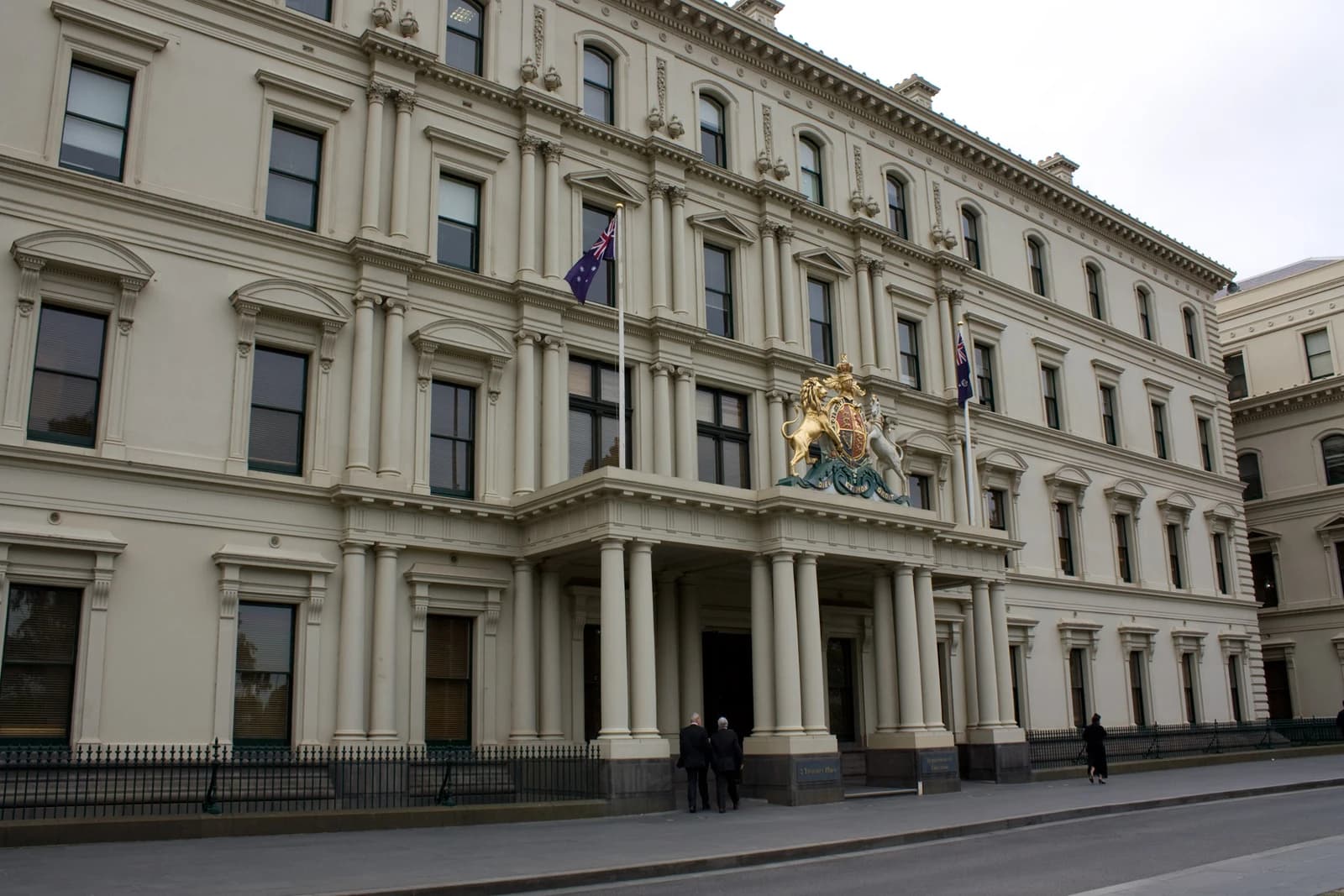
Victoria’s debt burden is about to get a lot more expensive, with the state confronting roughly A$3 billion a year in interest costs as 10-year bond yields climb to the highest level since the global financial crisis.
Victoria debt costs rise as bond yields top 6%
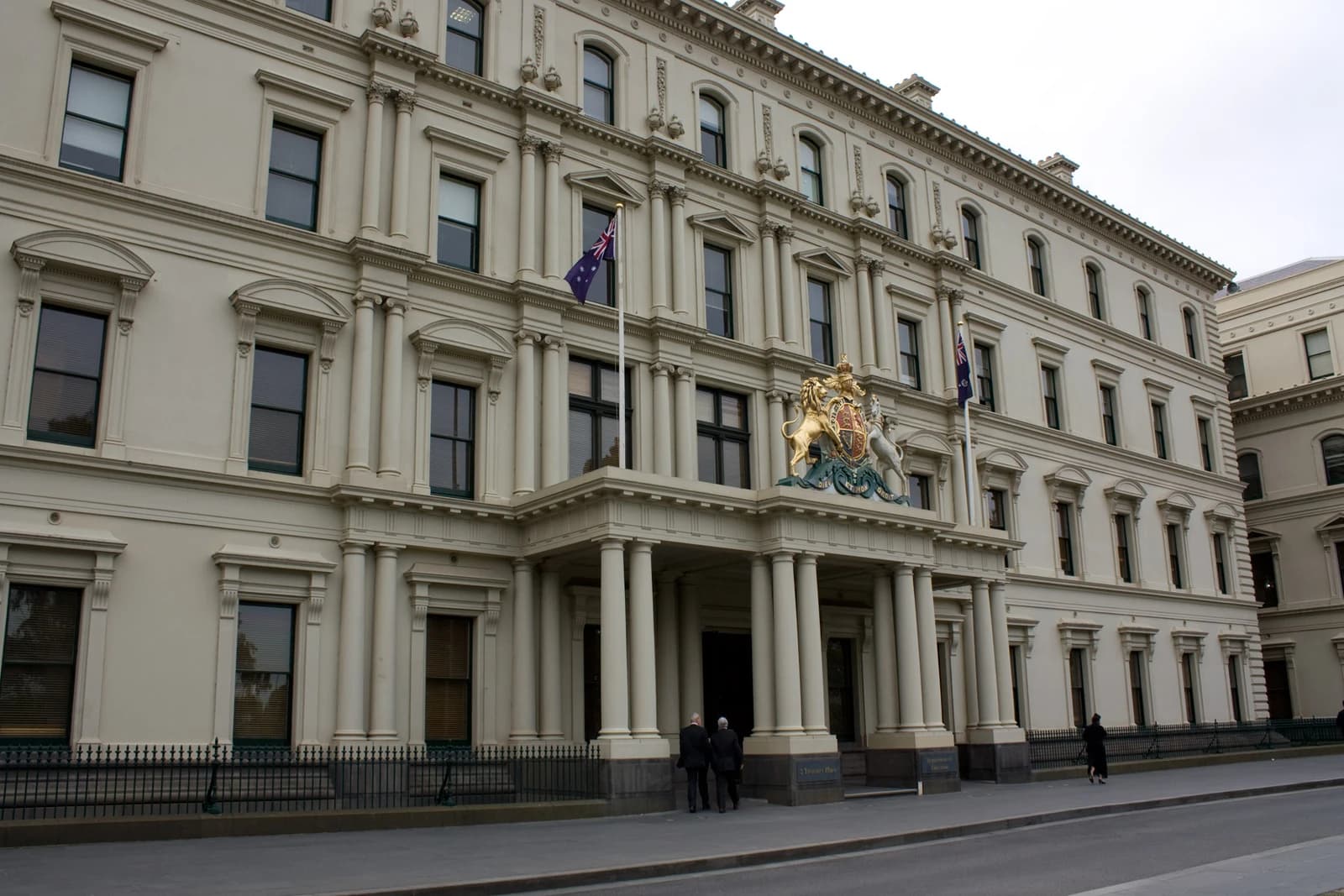
That matters because Victoria, Australia’s most indebted state, is not just carrying a larger stock of debt — it is rolling over ultra-cheap pandemic-era borrowings into a far costlier market at the same time a weaker property market is punching a hole in revenue. The result is a tightening fiscal squeeze that limits room for hospitals, transport and other services just as spending needs are rising.
Sentiment IndicatorsⓘProprietary · adalytica.com · October 6, 2026
This is a snapshot — live sentiment, awareness and momentum for 130+ markets update continuously in the dashboard.Open AlphaPulse

The 10-year Victorian government bond rate has moved above 6%, a level not seen since before the financial crisis, according to the data and source reporting. For a state that leaned heavily on low-cost emergency funding during COVID, the increase in market rates is a direct transmission mechanism into the budget. Every refinancing of those loans now comes at materially higher rates, pushing debt-servicing costs higher and making headline debt levels less important than the pace at which interest expense is compounding.
The timing is particularly awkward. The state is already dealing with a multibillion-dollar revenue shortfall tied to the property downturn, reducing one of the few buffers governments rely on when the economy softens. In practical terms, that means less flexibility to absorb higher interest bills without cutting spending, lifting taxes or adding more debt. For a government already under pressure to fund a stretched public sector, the fiscal arithmetic is becoming harsher by the quarter.
Investors are focused on the knock-on effects for Victorian bonds and for the relative credit standing of the state. Higher yields reflect both the broad move in global rates and a market demand for extra compensation to hold a jurisdiction with heavy leverage and worsening fiscal metrics. That can create a feedback loop: rising borrowing costs worsen budget outcomes, which in turn can pressure yields further.
For markets, the question is not whether Victoria can keep borrowing — it can — but at what cost and with how much room left for policy choices. The state’s financing needs are likely to stay elevated over the next five years, and the refinancing wave from pandemic borrowing means the interest bill is set to stay a live issue well beyond the next budget cycle. If rates remain near current levels, the debt story shifts from a political problem to a persistent macro constraint.
| Entity | Gains | Losses |
|---|---|---|
| Victorian government bond holders | ▲Higher yields | ▼Higher credit risk |
| Victoria state government | ▲Near-term funding access | ▼Budget flexibility |
| Taxpayers and service users | ▲None | ▼Lower public spending room |
| Competing Australian states | ▲Relative fiscal comparison | ▼Contagion from weaker sentiment |