Australia’s federal government spent far more than planned last financial year, a blow to Treasurer Jim Chalmers’ case that Labor can hold the line on the budget while still funding its policy agenda.
Australia federal spending rose 4.3% in final outcome
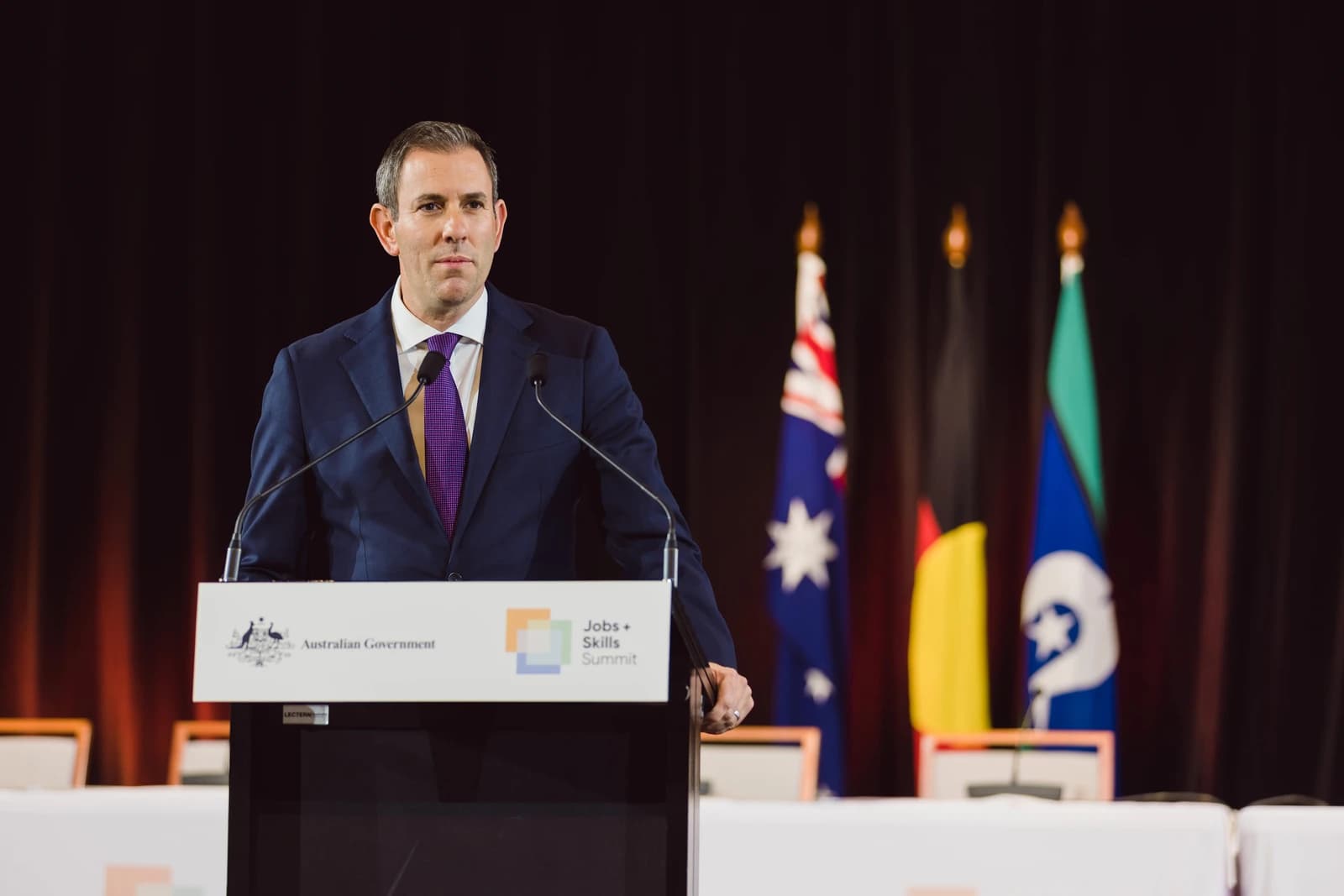
Real federal spending rose 4.3% in the latest final budget outcome, more than twice the 1.8% increase pencilled in for 2024-25 in a budget prepared two years earlier. The overshoot, adjusted for inflation, sharpens concerns that expenditure is growing faster than the government has signalled and raises the risk that future deficits stay wider for longer.
Sentiment IndicatorsⓘProprietary · adalytica.com · October 6, 2026
This is a snapshot — live sentiment, awareness and momentum for 130+ markets update continuously in the dashboard.Open AlphaPulse
For investors, the key issue is not the spending line itself but what it means for borrowing, interest rates and the broader macro backdrop. Higher-than-expected public outlays can keep demand firmer in an economy already marked by persistent cost pressures, complicating the Reserve Bank’s inflation fight and limiting the scope for faster fiscal repair.
The numbers also add to scrutiny of Labor’s broader budget narrative, which has leaned on claims of restraint even as services, welfare, health and other spending commitments remain politically difficult to unwind. Economists argue that if spending continues to run ahead of forecasts, debt dynamics will become more sensitive to growth and revenue assumptions, especially if the economy softens.
The market impact is likely to be felt first in rates and the currency rather than in direct equity sector rotation. Australia’s dollar has been hovering around 0.70 against the U.S. dollar, while the ASX 200 remains below recent highs, leaving traders sensitive to any sign that fiscal policy could stay supportive of demand for longer than expected.
The latest figures increase pressure on Chalmers ahead of future budget updates and any policy debate over whether Canberra can really deliver restraint without cutting into politically sensitive programs. The next test will be whether spending growth slows in the current financial year or whether the government is forced to revise its fiscal assumptions again.
| Entity | Gains | Losses |
|---|---|---|
| Households and public services | ▲More funding support | ▼Fiscal restraint |
| Labor government | ▲Short-term policy flexibility | ▼Credibility on budget discipline |
| Bondholders | ▲More clarity on fiscal stance | ▼Higher deficit risk |
| RBA and rate-sensitive assets | ▲None | ▼Tighter policy backdrop |