Australia’s deep budget cuts are set to trim hundreds of billions of dollars from projected future debt, but the fiscal gains are arriving alongside a sharper rise in the cost of borrowing that is already feeding through to taxpayers and bond markets.
Australia budget cuts lower debt outlook, yields rise

Treasurer Jim Chalmers’ intergenerational report, due on Monday, is expected to show gross government debt by the early 2060s at about a quarter of GDP, down from more than a third projected in the previous outlook, a difference worth more than $500 billion in nominal 2062 terms. The improvement reflects stronger revenue, recent surpluses and spending restraint in this year’s budget, including pressure on the government to rein in the National Disability Insurance Scheme.
Sentiment IndicatorsⓘProprietary · adalytica.com · September 17, 2026
This is a snapshot — live sentiment, awareness and momentum for 130+ markets update continuously in the dashboard.Open AlphaPulse
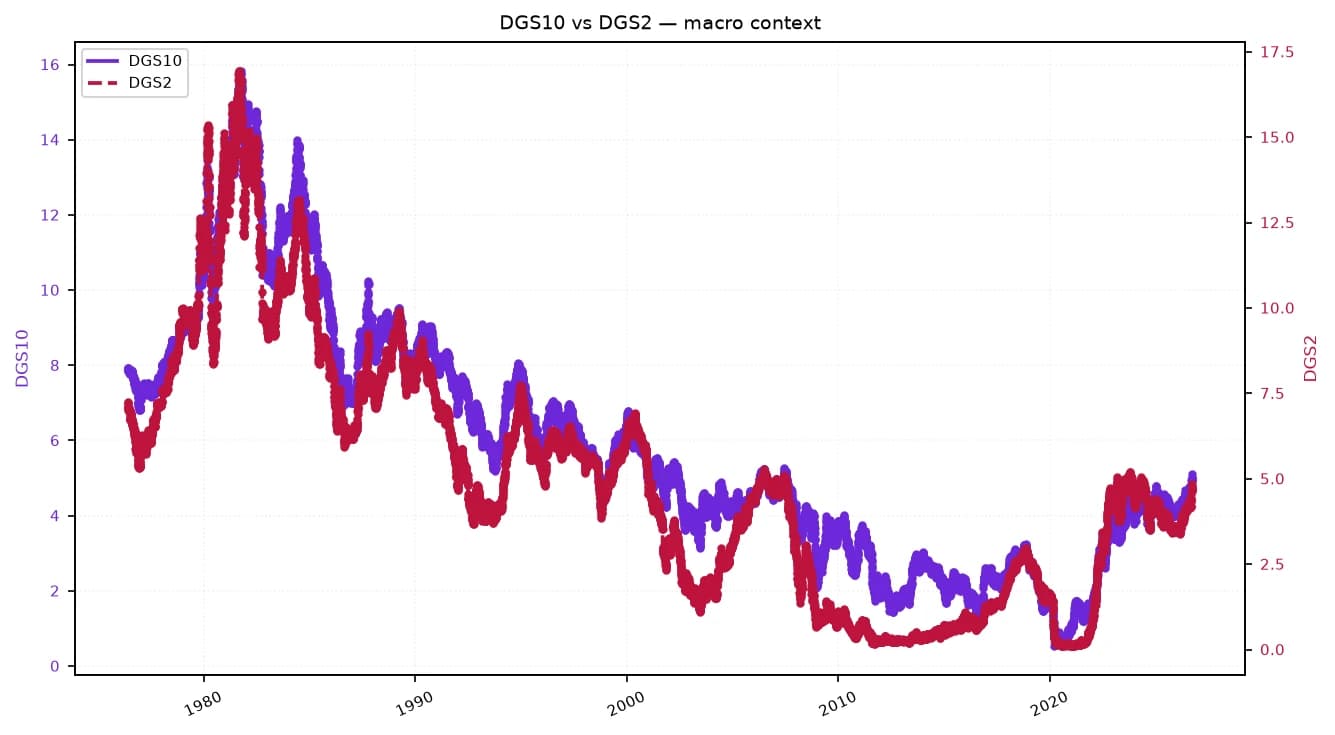
For investors, the message is that Australia’s medium-term fiscal path is improving even as the immediate bond-market backdrop deteriorates. Higher global yields are raising the government’s interest bill, and the repricing has already pushed Australia’s 2037 bond yield to 5.39%, up more than 8% since early August. That means the benefit of lower debt projections can be partly offset by a higher discount rate on the debt that remains.
The report is also expected to show the deficit in 2062-63 at close to 1.5% of GDP, 1.2 percentage points lower than forecast in Chalmers’ 2023 update, while spending as a share of GDP is seen 1.3 percentage points lower. In nominal terms, that spending reduction would amount to almost $100 billion in 2062 dollars. Tax receipts, meanwhile, are not expected to rise above the historical peak of 24.2% of GDP, limiting the government’s room to rely on revenue alone.
That combination matters economically because Australia is trying to rebuild fiscal buffers just as developed-world borrowing costs are being reset higher by the US Treasury selloff. Ten-year US yields moved above 5% for the first time since 2007, a move that is rippling through sovereign markets globally and forcing governments to pay more to finance deficits and roll over debt. The US is also on track for a $US2 trillion deficit, reinforcing the pressure on global rates.
For markets, the near-term implications are mixed. On one side, lower long-run debt and a more disciplined spending outlook support Australia’s sovereign credit profile and reduce the risk of a disorderly fiscal drift. On the other, elevated yields mean bond investors remain cautious, and fiscal restraint may weigh on parts of the domestic economy that rely on government spending. Chalmers says the savings will help reduce interest costs and create room for investment in Medicare, aged care, housing and tax cuts, but the trade-off is a tighter policy stance in an economy still sensitive to inflation and borrowing costs.
The political fight is likely to intensify over how much of the burden should fall on spending cuts rather than taxes. Shadow treasurer Tim Wilson is arguing for deeper restraint to ease inflation pressures, while the government is trying to frame the cuts as prudent housekeeping ahead of a more uncertain global backdrop. For investors, the key question is whether Canberra can preserve the improved debt path without undercutting growth, or whether rising global yields will overwhelm even a better budget arithmetic.
| Entity | Gains | Losses |
|---|---|---|
| Australian government bondholders | ▲Higher yields on new debt | ▼Lower bond prices |
| Australian taxpayers | ▲Lower long-run debt burden | ▼Higher near-term interest costs |
| Federal government | ▲Stronger fiscal outlook | ▼Less spending flexibility |
| Public services and spending programs | ▲Fiscal discipline over time | ▼Budget restraint and cuts |