One Nation is proposing to let Australians with a mortgage or rent draw a quarter of their compulsory superannuation contributions as income for up to three years, a move that could ease cash flow for household budgets but would reopen a politically sensitive fight over whether retirement savings should be used to solve a housing crisis.
One Nation Proposes Super Access for Renters, Borrowers

The policy goes to the heart of Australia’s affordability problem: mortgage repayments and rents have risen far faster than wages, leaving many households with little room to absorb higher borrowing costs. By allowing workers to access part of their super contributions before retirement, the plan would effectively redirect compulsory savings toward current consumption, which could support spending in the near term but risk weakening long-term retirement balances.
Sentiment IndicatorsⓘProprietary · adalytica.com · September 6, 2026
This is a snapshot — live sentiment, awareness and momentum for 130+ markets update continuously in the dashboard.Open AlphaPulse
That trade-off is what makes the proposal economically significant. Superannuation is designed as a forced savings pool to reduce future reliance on the pension and private debt. If contributions are diverted to meet housing costs, households may get immediate relief, but the policy could lower the compounding benefit of retirement savings and shift more future burden back onto the public system. For borrowers, the measure may feel like a buffer against mortgage stress. For renters, it would be a rare policy offering direct cash-flow support, though only at the expense of wealth accumulation.
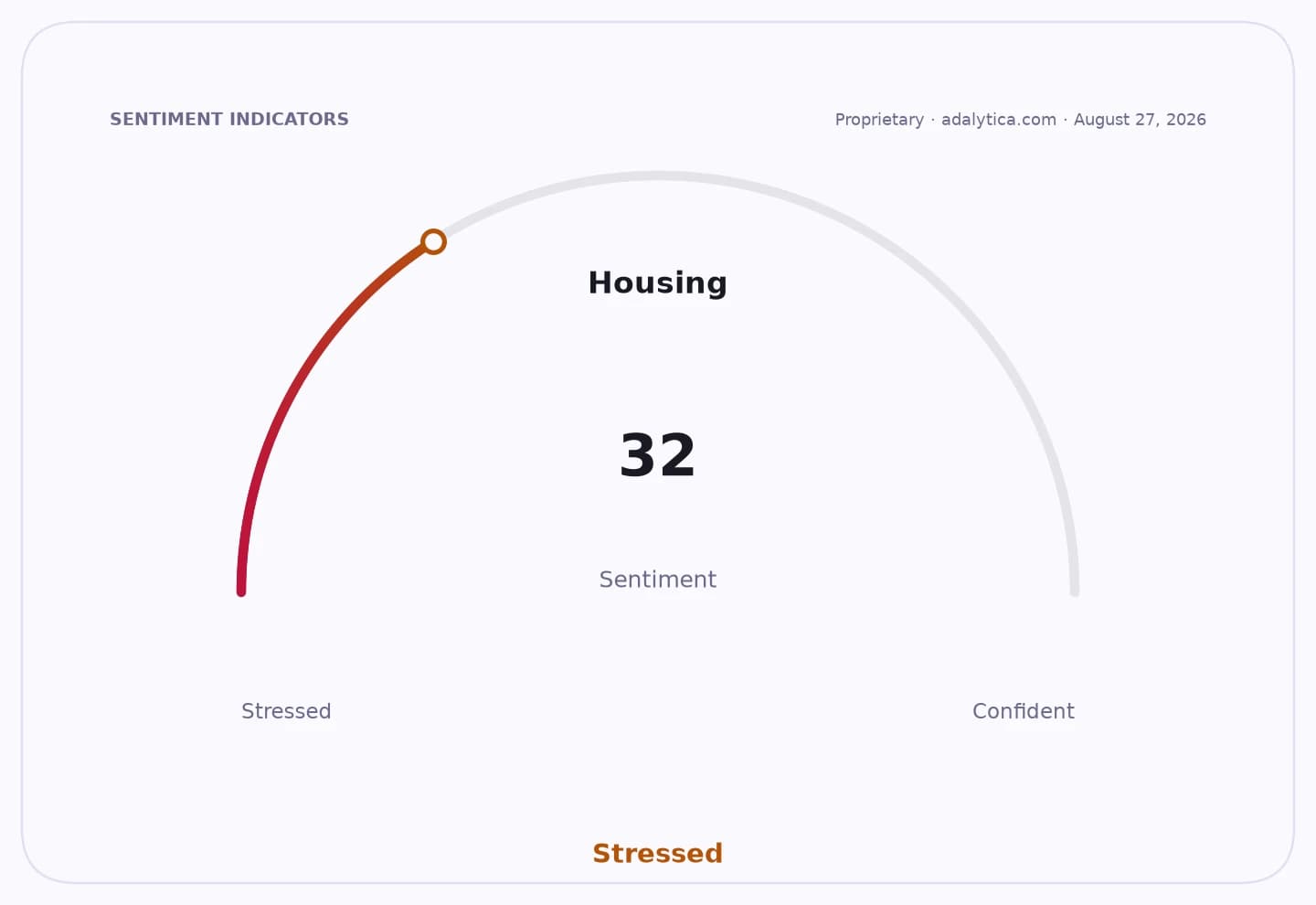
The plan also lands in a housing market where affordability has deteriorated even as prices have eased in some areas. Property costs remain elevated relative to incomes, and broader data show the pressure is not confined to Australia. A housing affordability gauge supplied with the context shows sentiment around the issue at an extreme reading of 85, or “Greed,” underscoring how politically charged the debate has become. That kind of pressure tends to push parties toward measures that offer visible relief rather than long-term structural reform.
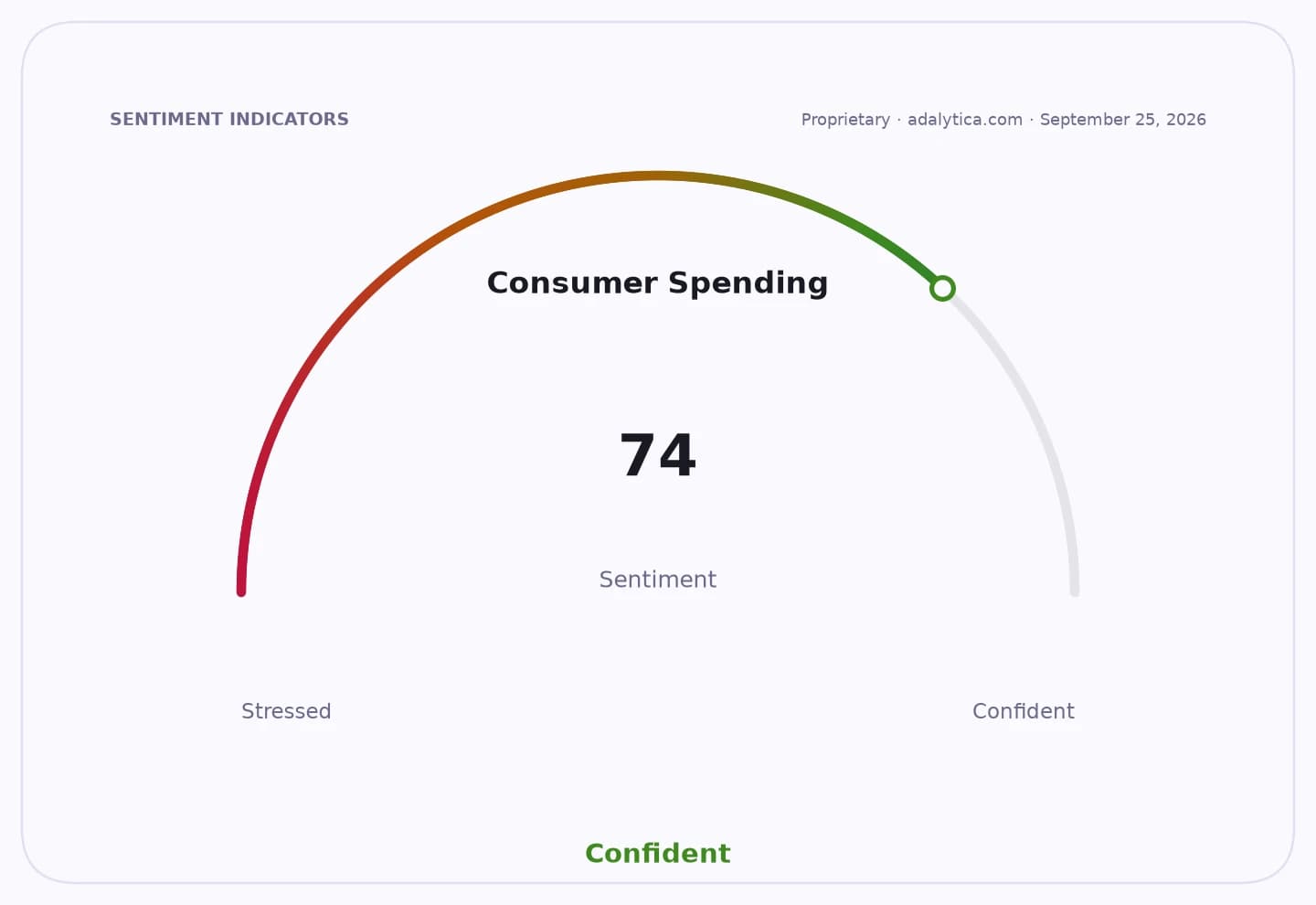
For investors, the proposal matters less as a direct market event than as a signal of policy risk around housing, savings and domestic demand. Any move that boosts household cash flow could support consumer spending, but it may also complicate the outlook for super funds, financial planners and lenders if the precedent encourages further access to retirement balances. Mortgage providers may see temporary support for repayment capacity, while retirement products and long-duration savings vehicles could face scrutiny if the idea gains traction.
The broader market backdrop is still dominated by the interest-rate cycle. In the U.S., the 10-year Treasury yield has been near 4.8%, while unemployment has eased to about 4.1% and home prices continue to rise modestly, a reminder that higher funding costs remain part of the global housing squeeze. In Australia, that means any policy framed as mortgage relief is likely to draw attention from households under stress, even if it does little to expand supply or lower borrowing costs.
If One Nation’s plan enters the election debate, the key question will be whether voters see it as practical relief or as a short-term fix that weakens retirement security. The political appeal is obvious. The economic cost would show up more slowly, in lower super balances, greater future pension pressure and another layer of uncertainty for a housing market already struggling with affordability.
| Entity | Gains | Losses |
|---|---|---|
| Mortgage holders | ▲Near-term cash flow relief | ▼Lower super balances |
| Renters | ▲Extra disposable income | ▼Retirement savings growth |
| Super funds | ▲Higher public debate | ▼Possible contribution leakage |
| Pension system | ▲— | ▼Higher future fiscal pressure |