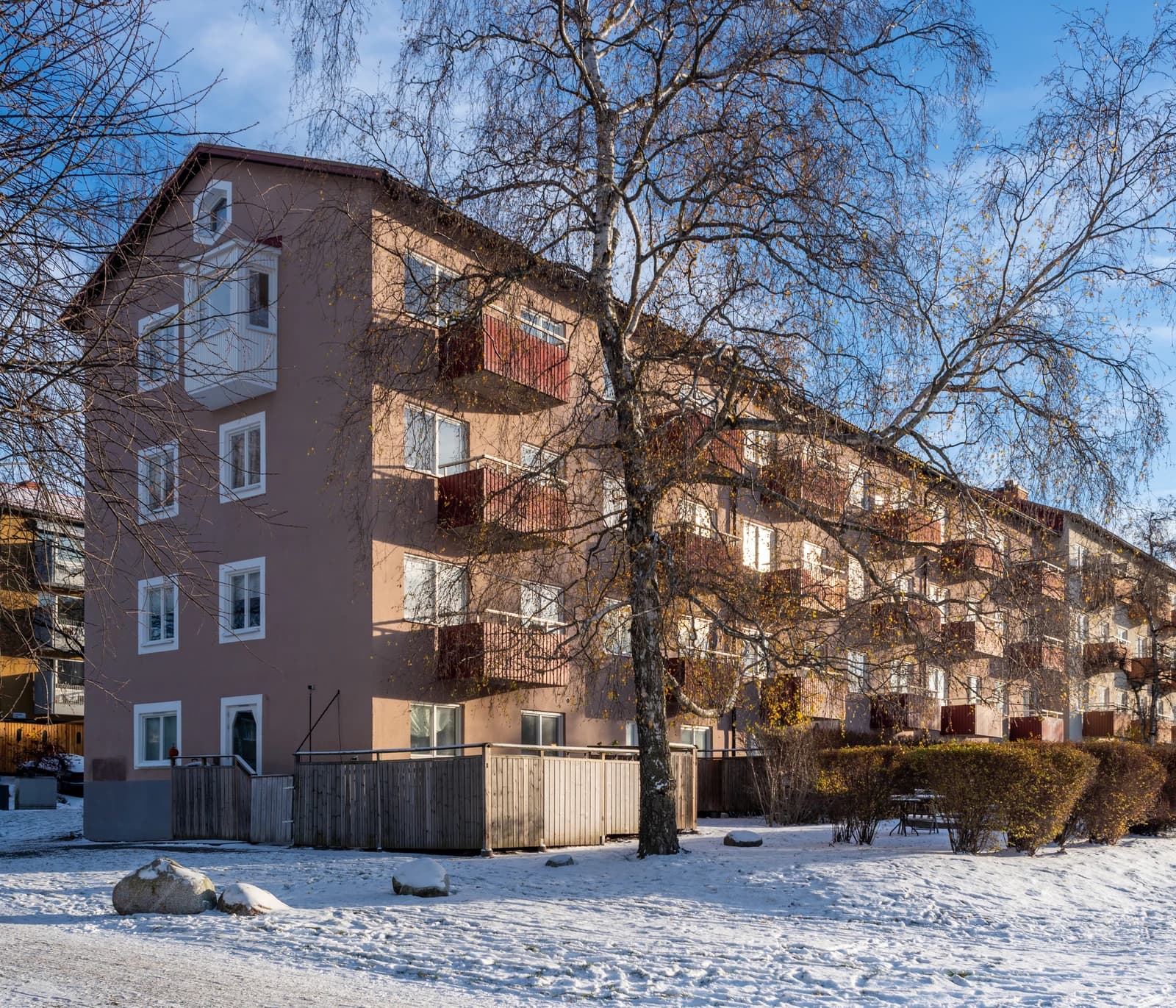
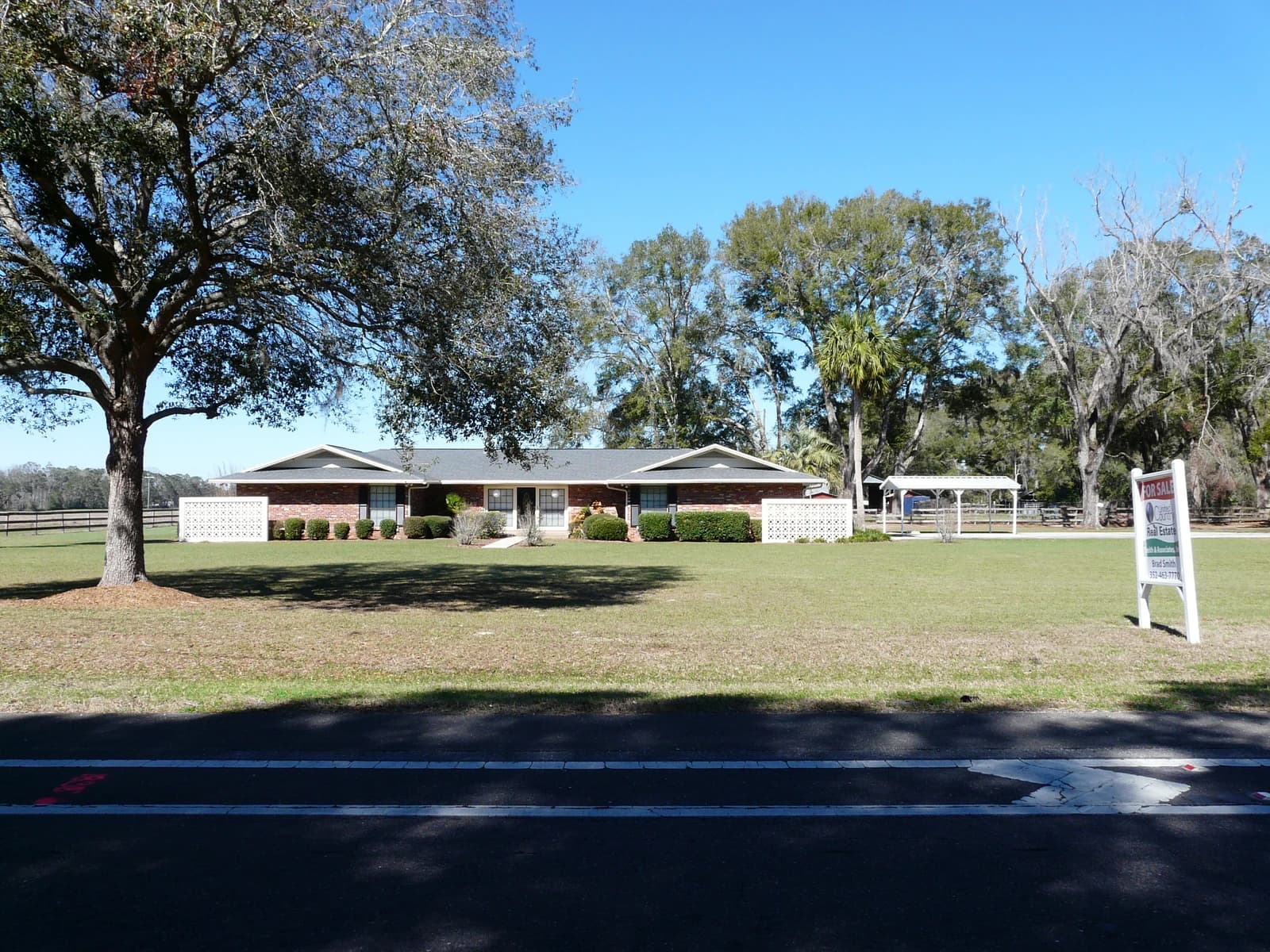
Home prices are easing across Australia, but that has done little to revive access for ordinary buyers, underscoring a housing market problem that is now structural rather than cyclical.
Australia Home Prices Ease as Affordability Stays Low
A typical-income household could afford to buy just 12% of homes sold over the past year, according to the data supplied, a share that is worse than the 14% affordability level seen during the Global Financial Crisis. That is the key economic message: even after prices fall, the combination of still-elevated borrowing costs, stretched incomes and years of house-price inflation means the market remains out of reach for many buyers.
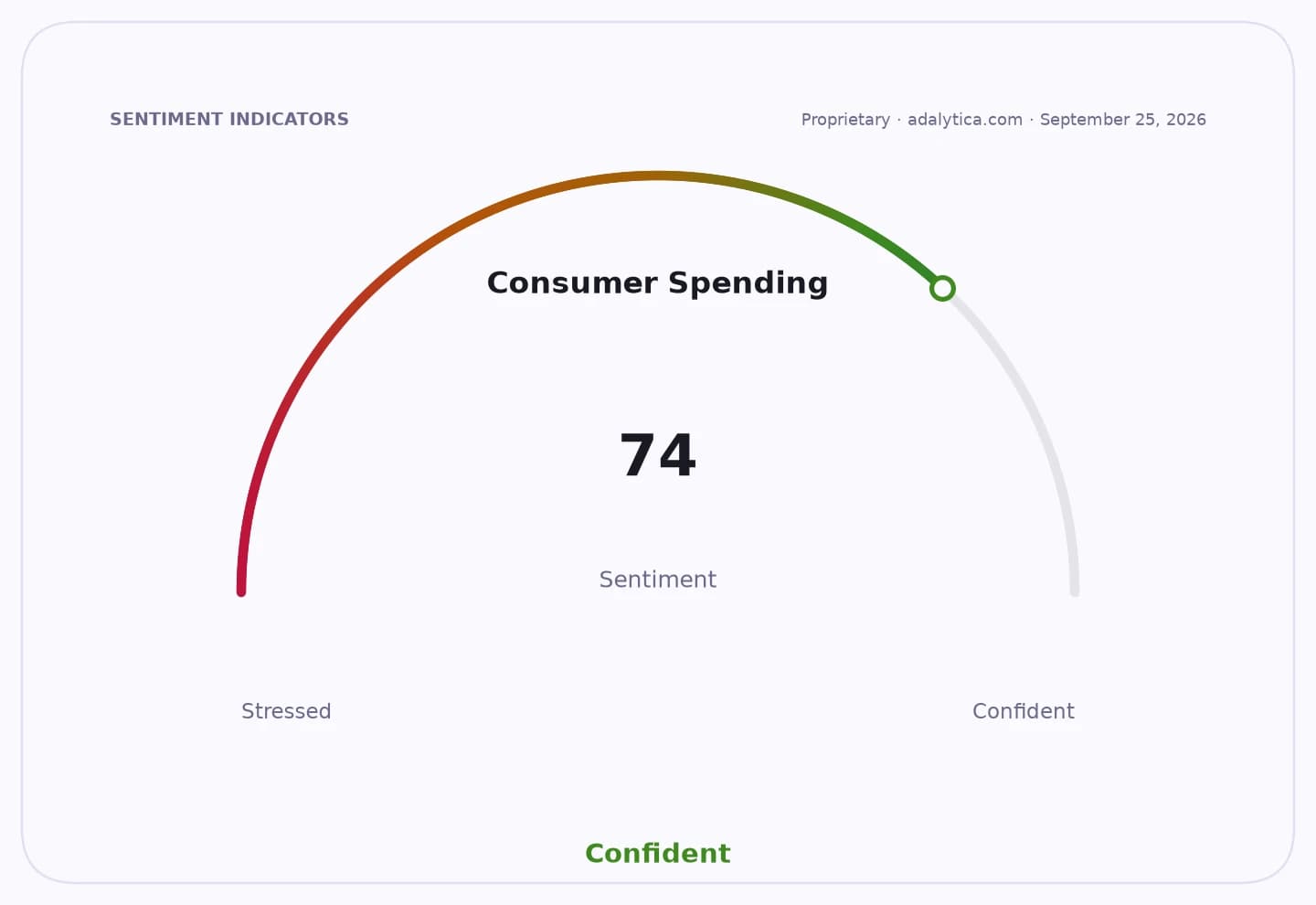
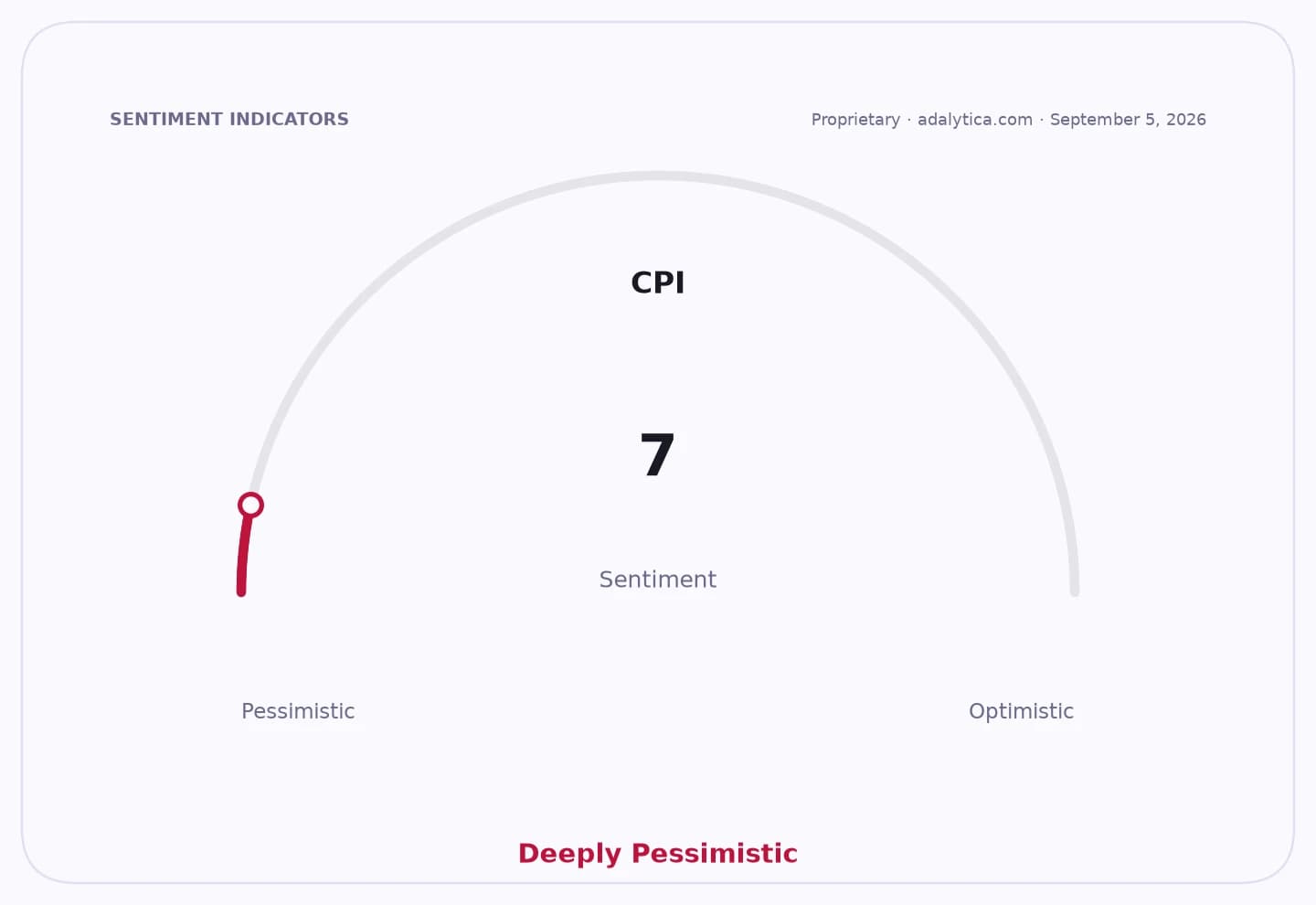
Sentiment IndicatorsⓘProprietary · adalytica.com · September 5, 2026
This is a snapshot — live sentiment, awareness and momentum for 130+ markets update continuously in the dashboard.Open AlphaPulse
The disconnect matters because affordability is usually expected to improve when prices retreat. Instead, the market is showing that the main constraint is not simply home values, but the financing burden attached to them. With the 10-year US Treasury yield at 4.79% in the latest data and broader rate-sensitive assets under pressure, the backdrop still points to higher-for-longer borrowing costs globally, which helps explain why housing relief has been so limited even as prices soften.
For investors, the message is that falling house prices do not automatically translate into a healthier housing cycle. Builders, lenders and property-linked equities may still face weak end-demand from first-time buyers, while policymakers are likely to remain under pressure to address supply, planning and tax settings rather than rely on price declines alone. The federal budget’s tax changes may shape the political debate, but they do not alter the underlying affordability gap.
That leaves the central narrative intact: Australia’s housing problem is no longer just about prices being too high. It is about the gap between wages, mortgage rates and asset values remaining so wide that even a market correction has failed to restore access. Until incomes rise faster, financing costs fall materially or supply expands more meaningfully, affordability is likely to stay near record lows.
| Entity | Gains | Losses |
|---|---|---|
| Buyers | ▲Slightly lower entry prices | ▼Affordability still near record low |
| Sellers | ▲Faster turnover in some markets | ▼Lower nominal prices |
| Builders | ▲Policy focus on supply support | ▼Weak first-home demand |
| Policymakers | ▲Chance to push reform agenda | ▼Pressure over housing crisis |