Australia’s consumers are buckling under the fastest tightening in years, with confidence sinking to levels last seen in a deep recession and economists warning households will face “recession-like” conditions next year even if the broader economy avoids an outright downturn.
Australia consumer confidence drops to recession lows

The Westpac-Melbourne Institute consumer sentiment index slid 4.7% in October to 80.4, its lowest since April, after the Reserve Bank of Australia raised rates to a 15-year high and petrol prices climbed above A$2.30 a litre. Among respondents surveyed after the RBA’s latest hike, sentiment collapsed to 67.2, the weakest reading since November 1990.
Sentiment IndicatorsⓘProprietary · adalytica.com · October 7, 2026
This is a snapshot — live sentiment, awareness and momentum for 130+ markets update continuously in the dashboard.Open AlphaPulse
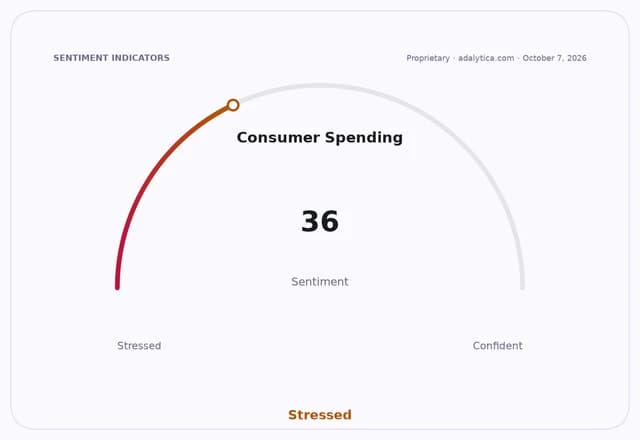
That matters because consumer spending is the main engine of Australia’s economy, and the latest readings point to a sharp pullback in discretionary demand just as households absorb higher mortgage costs, stubborn inflation and rising fuel bills. Westpac economist Matthew Hassan said pessimism was “intense and widespread,” while Deloitte Access Economics cut its growth forecast for 2027-28 to 1.7% from 1.9%.
The message from both surveys is the same: the RBA is slowing inflation by leaning hardest on households with debt, and the burden is already showing up in expectations for spending, jobs and finances. Deloitte said the economy may avoid recession in aggregate, but the downturn will be concentrated in lower-income and mortgaged households, dwelling construction and business investment outside the AI boom.
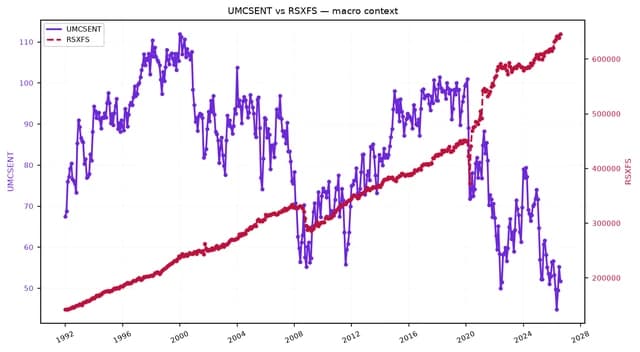
The consumer survey’s family-finances sub-index fell 8 points to an “extreme low,” and more than 80% of respondents expect mortgage rates to rise over the next year. Expectations for unemployment also climbed, even as the labour market has held up better than feared, with the jobless rate rising to a five-year high of 4.6% in August.
For investors, the split is clear. Defensive retailers and essentials sellers may hold up better than discretionary names, while builders, rate-sensitive consumer lenders and cyclical sectors face more pressure if households keep retrenching. That is already visible in market positioning, with consumer-focused exchange-traded funds lagging while defensive staples have held up better.
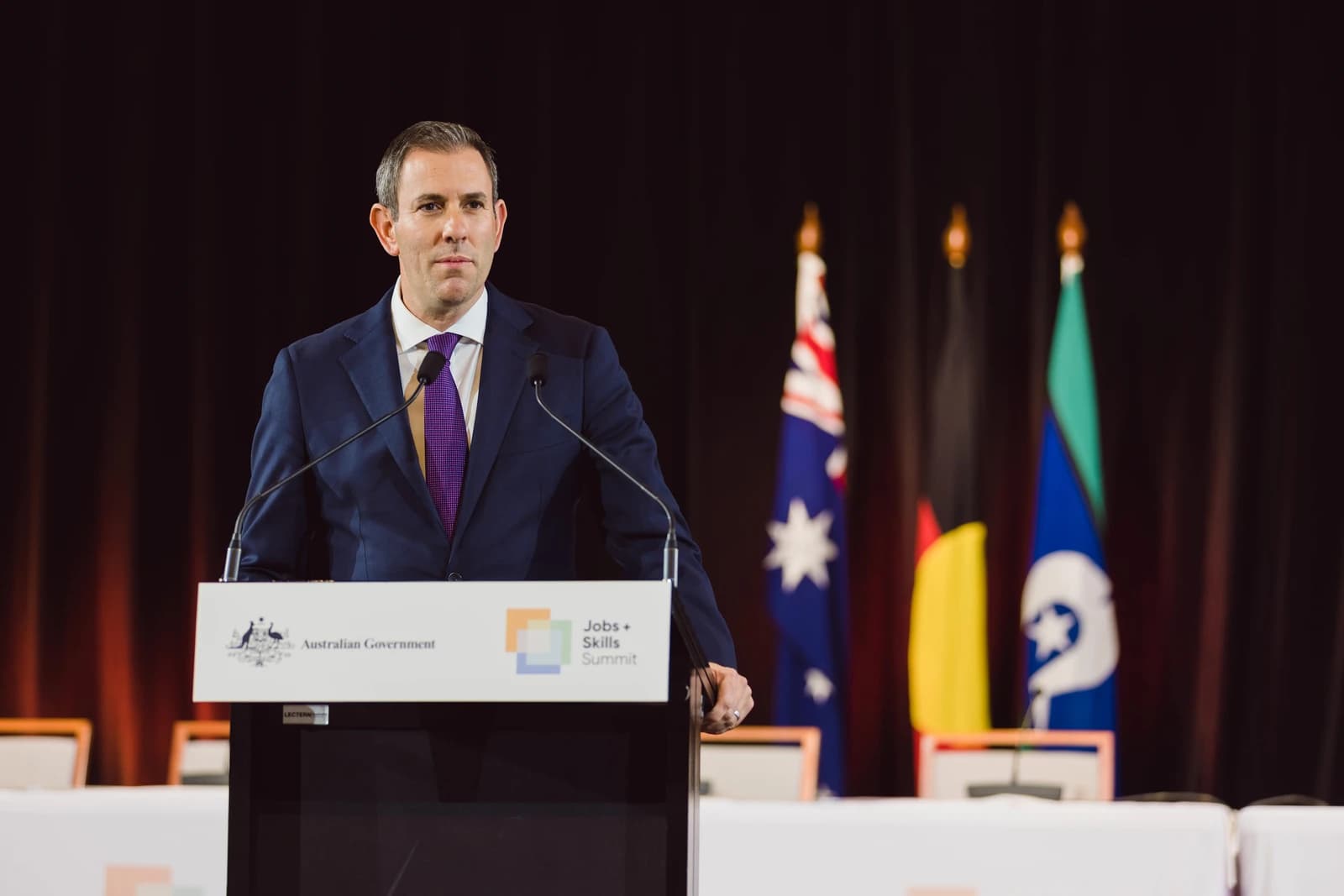
The political stakes are rising too. Treasurer Jim Chalmers is under pressure to show budget discipline as the opposition blames government spending for complicating the RBA’s inflation fight, while the IMF has warned against broad subsidies such as fuel-tax cuts and urged targeted support instead.
The near-term catalyst is the next round of inflation and labour data, along with the RBA’s policy path. If price pressures stay sticky and confidence keeps sliding, Australia risks a prolonged consumer-led slowdown even without a formal recession.
| Entity | Gains | Losses |
|---|---|---|
| RBA | ▲Progress on inflation | ▼Household spending |
| Defensive retailers | ▲Sticky demand for basics | ▼Discretionary sellers |
| Mortgaged households | ▲None | ▼Higher repayment stress |
| Labor government | ▲None | ▼Political pressure on spending |