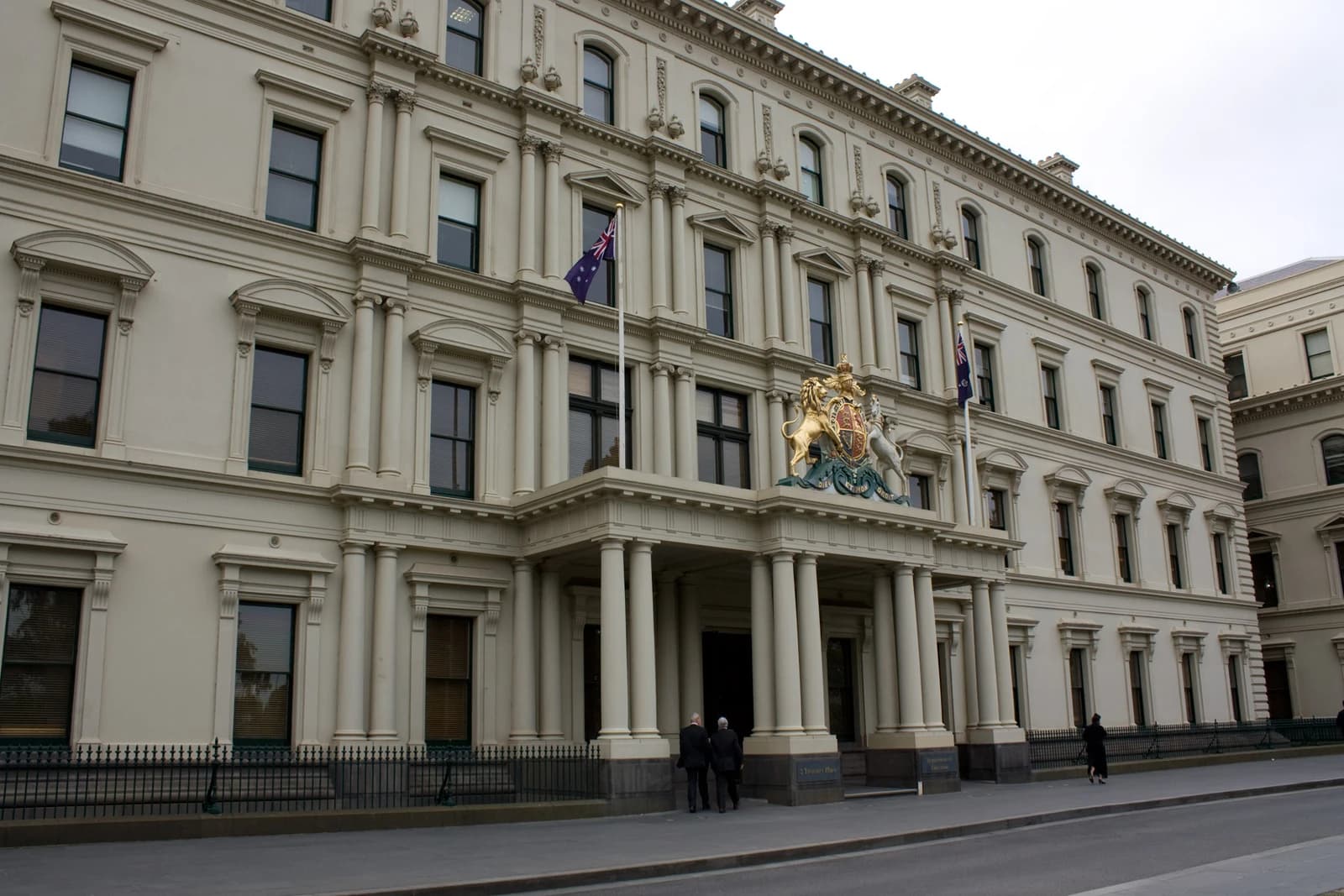
Victoria’s plan to claw back Covid-era debt from property owners is already falling short by almost A$1 billion, forcing the Carroll government to rethink a levy that has become politically toxic before it has fully bitten economically.
Victoria land tax plan faces A$1 billion shortfall
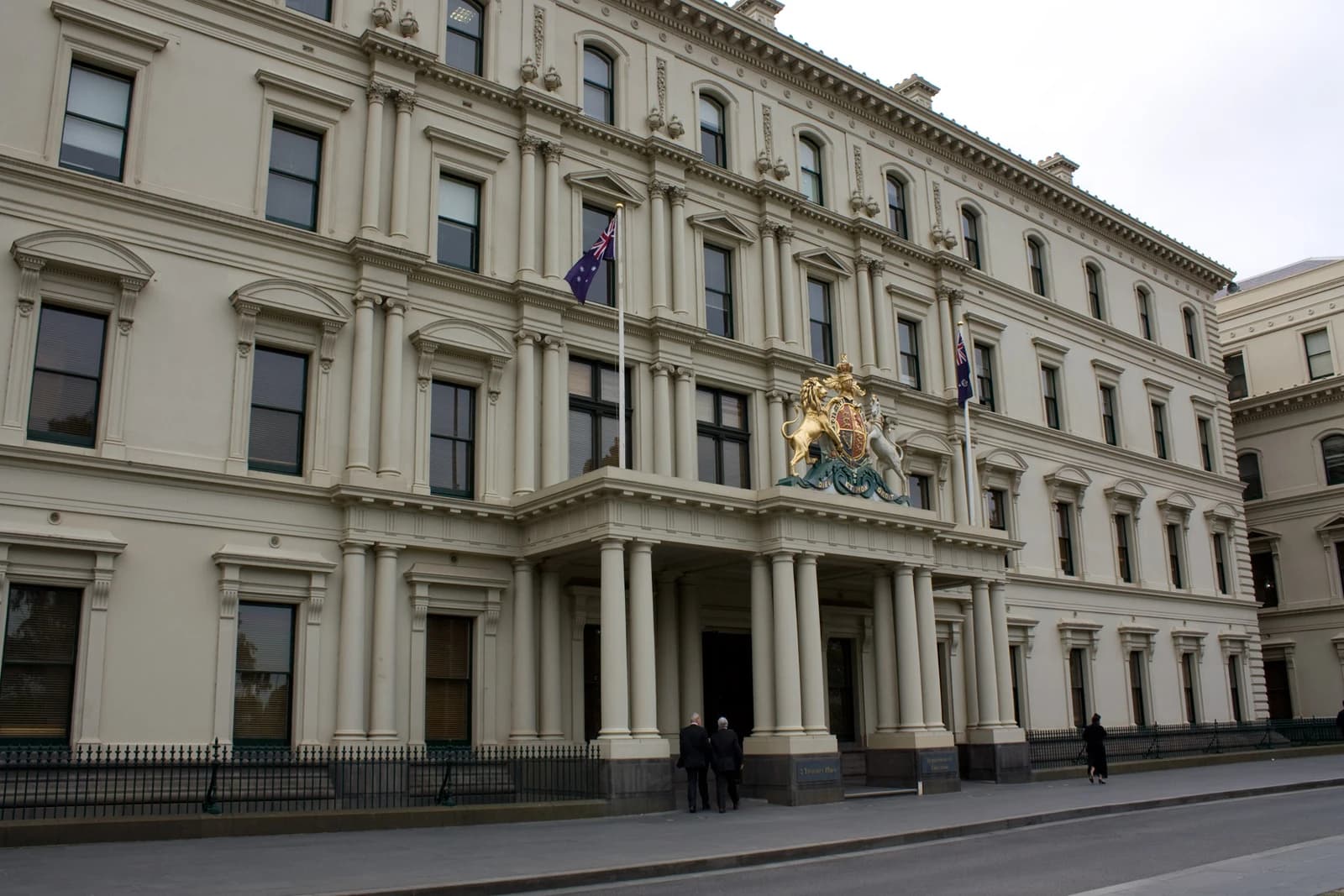
That shortfall matters because land tax is one of the few broad-based tools available to state governments trying to rebuild public finances without blowing out borrowing costs. But when a levy designed to raise A$1 billion less than expected is then pared back, the budget arithmetic gets harder fast: less revenue, more pressure on spending, and a longer path to debt stabilization.
For investors, the immediate issue is not just the tax take but the signal. Victoria’s retreat underscores how quickly a higher property tax can run into resistance from owners, developers and tenants facing higher carrying costs. That leaves the market with a more uncertain policy backdrop for real estate, land banks and development pipelines, particularly in a period when financing costs are already elevated and asset values remain sensitive to tax changes.
The broader narrative is a familiar one: governments want property to help pay for pandemic borrowing, but they also need private capital to keep projects moving. Push too hard on landowners and you risk freezing transactions, discouraging development and weakening the very asset base you are trying to tax. The fact that the scheme was nearly A$1 billion short before the government announced plans to scale it back suggests the yield may already have been overestimated relative to the political and economic cost.
Technical readings on US REIT VICI Properties and Brazil’s SLC Agrícola were mixed-to-weaker into the latest close, but the bigger investable point is in the policy trade itself: higher land taxes tend to favor established owners with scarce, productive assets and hurt speculative holders, highly leveraged developers and marginal land bankers. In Australia, that means quality commercial landlords and well-capitalized developers are better placed than thinly funded operators if the final regime remains punitive.
I believe the market is still underpricing how quickly state tax pressure can reshape real estate capital allocation. If Melbourne and the rest of Victoria end up with a softened version of the levy, the near-term winner is property liquidity; if the government keeps chasing revenue, the losers will be idle landholders and the developers who rely on cheap optionality. For investors, the actionable takeaway is to favor productive, income-generating property exposure over land-banking stories until the final shape of the Carroll government’s plan is clear.
| Entity | Gains | Losses |
|---|---|---|
| Victoria state budget | ▲Higher revenue certainty | ▼Bigger deficit risk |
| Property owners with idle land | ▲Lower tax burden | ▼Carrying-cost pressure |
| Developers and builders | ▲Better project economics | ▼Uncertainty over levies |
| Land bankers/speculators | ▲Policy reprieve | ▼Weaker after-tax returns |