A fare increase in Honduras is possible, but transport operators say it cannot happen without state approval — and the real economic issue is whether the government chooses a simple price adjustment or a much wider reset of a sector that has been neglected for years.
Honduras Bus Fare Increase Needs Government Approval
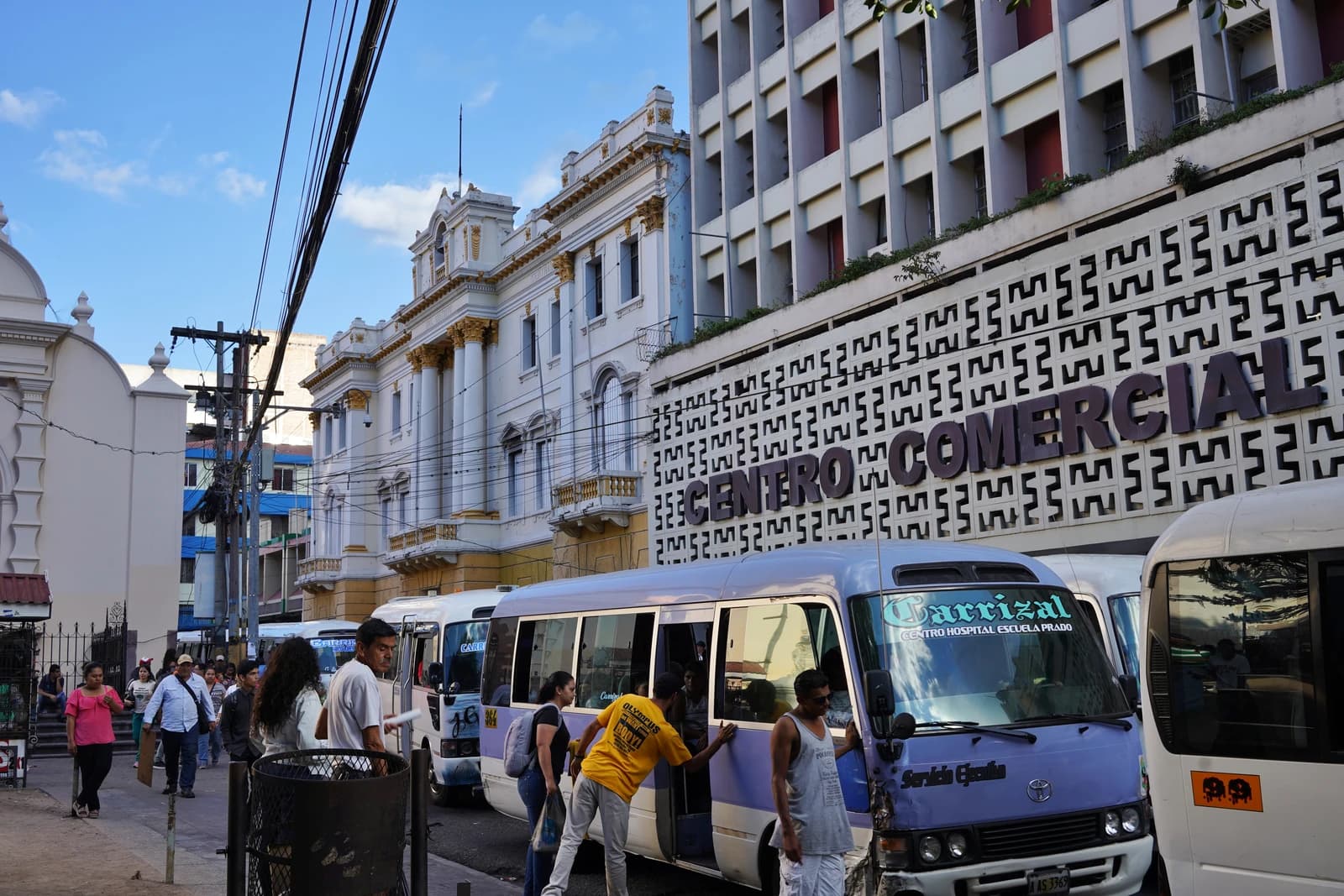
That distinction matters because transport costs ripple through household budgets, commuting patterns and business logistics. In a country where many workers rely on buses every day, even a modest jump in fares can hit disposable income quickly. But freezing prices without improving service, roads or enforcement can leave operators under pressure from fuel, maintenance and labor costs, worsening service quality and congestion.
Sentiment IndicatorsⓘProprietary · adalytica.com · October 6, 2026
This is a snapshot — live sentiment, awareness and momentum for 130+ markets update continuously in the dashboard.Open AlphaPulse

During a Canal 11 forum, transport leader Wilmer Cálix said operators currently charge 13 lempiras on certain routes, but stressed they cannot unilaterally set new prices because public transport is regulated. Belinda Pavón, another transport representative, echoed that view, saying the government must authorize any change and that breaking official rules can bring sanctions.
The broader message from the sector is that fare policy alone will not solve the problem. Cálix argued Honduras needs a new regulatory framework that clearly defines obligations for both the state and operators, while also modernizing a system he described as stuck for decades. He called for safer service, fixed schedules and better organization across the network.
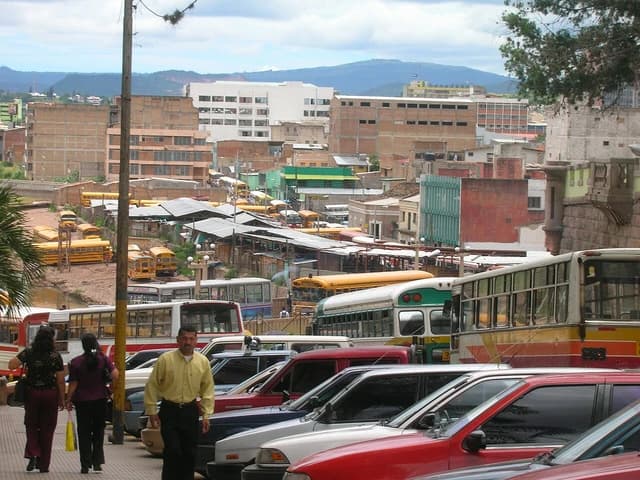
That view was reinforced by Fernando García, president executive of the National Association of Industrialists, who said the debate should not be reduced to whether the fare goes up. He said Honduras needs an integrated intervention covering roads, urban infrastructure, operations and technology. He also pointed to a very practical problem: bus stops and rights of way are often clogged by shops, street vendors and parked vehicles, shrinking the space available for public transport and adding to congestion and disputes.
For investors and businesses, the key takeaway is that transport pricing is really a policy and productivity issue. Higher fares may offer short-term relief to operators, but the long-term economic payoff would come from modernization — better regulation, smarter routing, stronger municipal coordination and more reliable service. That is what could improve mobility, support commerce and reduce friction across the urban economy.
The government now holds the deciding power. If it approves higher fares without reforms, the relief may be temporary. If it pairs any increase with enforcement, infrastructure work and operational upgrades, Honduras could begin fixing a transport system that has become a drag on households and growth. For now, the sector remains one to watch closely, especially for commuters, retailers and anyone exposed to the cost of moving people around the country.
| Entity | Gains | Losses |
|---|---|---|
| Transport operators | ▲Short-term revenue relief | ▼If fares stay frozen |
| Commuters | ▲Better service if reforms arrive | ▼Higher household transport costs |
| Government / SIT | ▲Control over pricing and reform agenda | ▼Political backlash if hikes outpace service gains |
| Businesses and industrial users | ▲More efficient logistics if system modernizes | ▼Congestion and weak productivity if delays persist |