Nicaragua’s central bank has raised its inflation outlook for 2026 to 3.5% to 4.5% as the Ortega government acknowledges mounting price pressure from El Niño and higher crude oil costs, a shift that underscores how imported shocks are squeezing household budgets and complicating policy in one of Central America’s poorest economies.
Nicaragua raises 2026 inflation outlook to 3.5%-4.5%
The adjustment matters because inflation is now moving faster than officials had expected, and the regime has not updated the basic basket since July. By then, the cost of the 52-item family basket had risen to 21,474.94 córdobas, up 654 córdobas from December and 925 córdobas from a year earlier, a sign that real living costs are already outpacing the government’s public data.
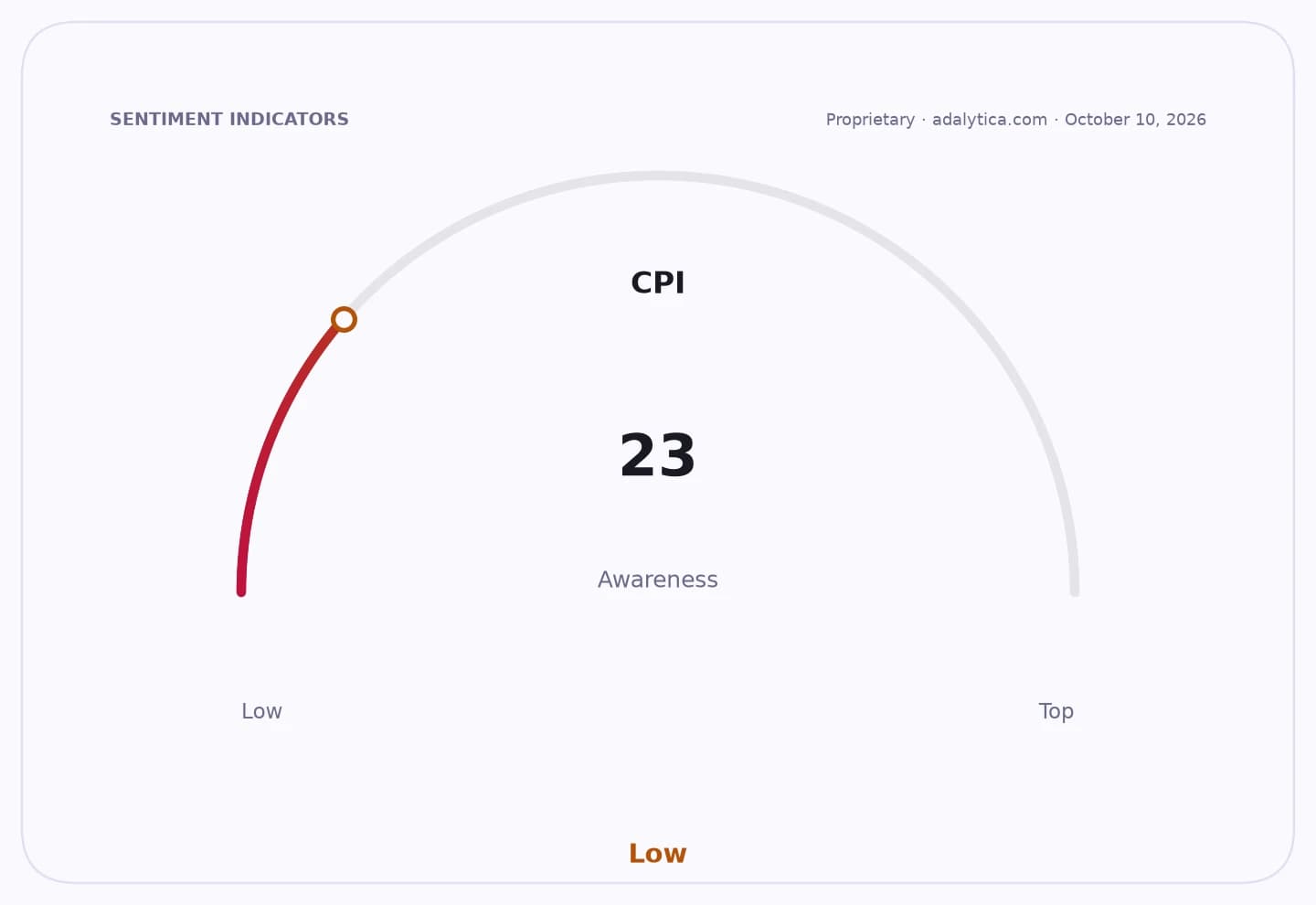
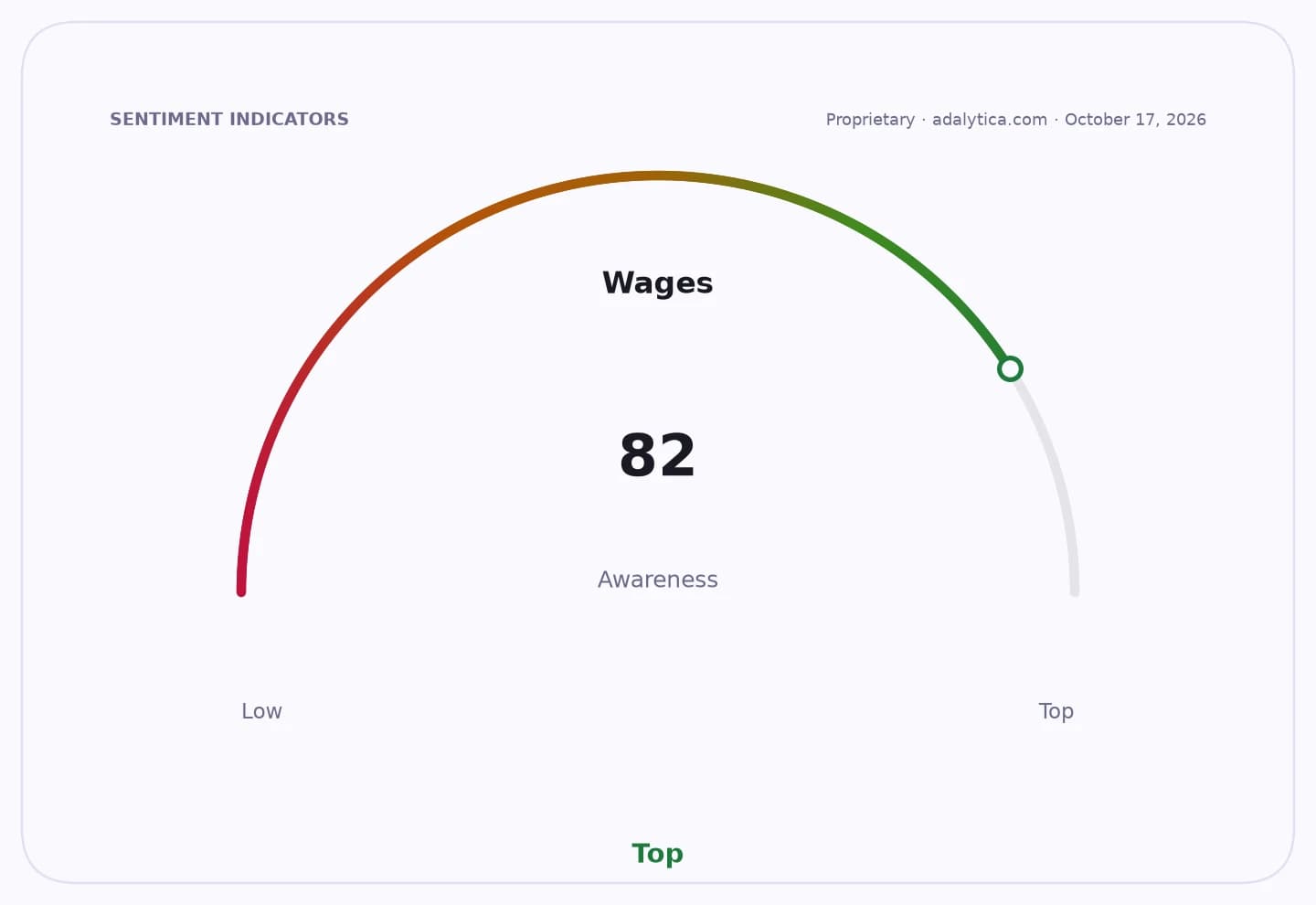
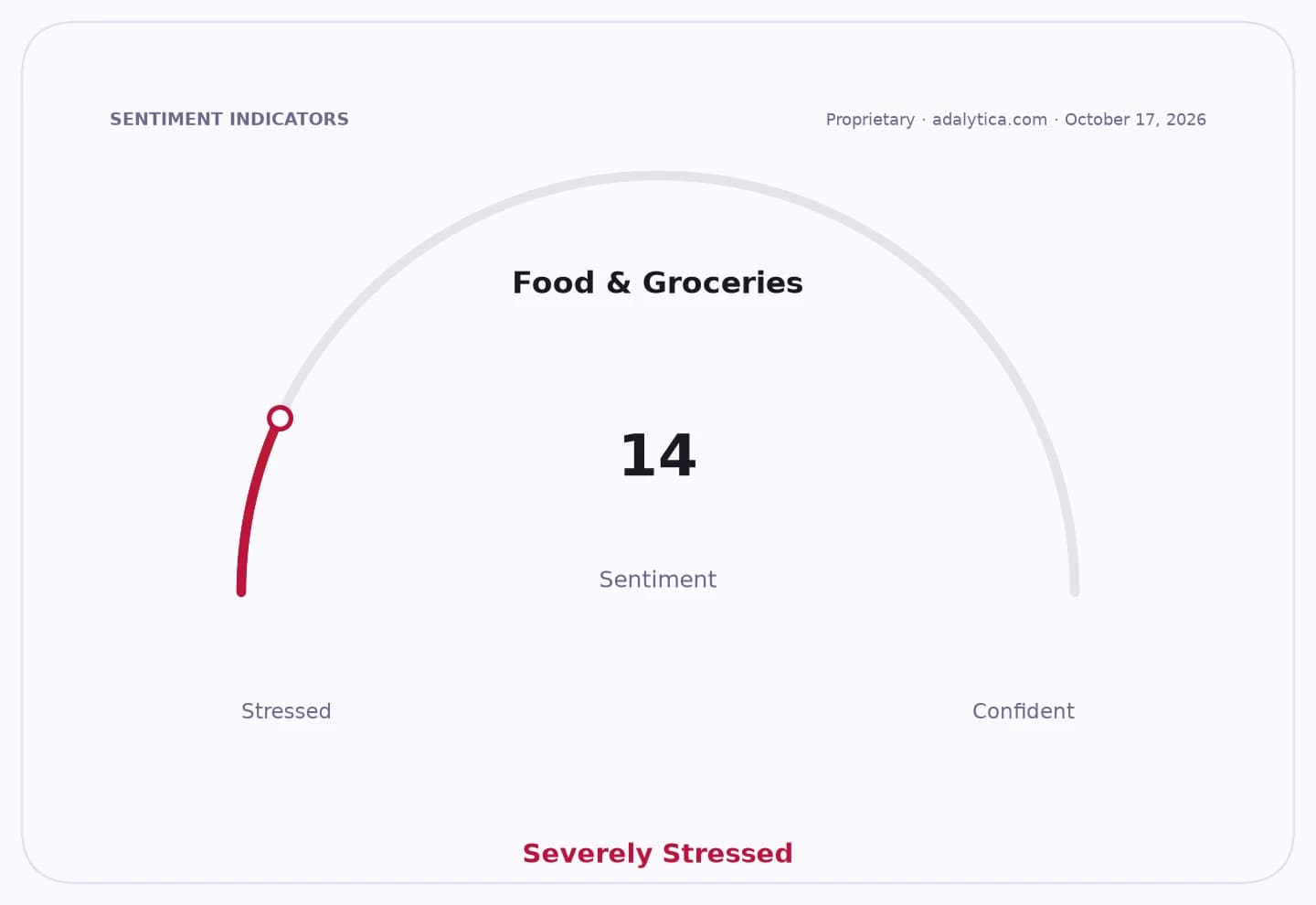
Sentiment IndicatorsⓘProprietary · adalytica.com · October 14, 2026
This is a snapshot — live sentiment, awareness and momentum for 130+ markets update continuously in the dashboard.Open AlphaPulse
The central bank had initially projected inflation of 2.5% to 3.5%, but now says international price pressure and climate damage to agricultural production justify a higher range. It put July inflation at 4% year on year and 2.1% on an accumulated basis, while saying subsidies, a zero percent crawl in the exchange rate and tighter coordination between monetary and fiscal policy have softened the blow.
For investors, the message is that Nicaragua is leaning harder on administrative controls and subsidy support rather than admitting a sharper deterioration in prices. That can delay the visible pass-through into official figures, but it does not remove the underlying cost pressure hitting consumers, farmers and importers.
The government has also flagged energy shocks and geopolitical conflict as risks to growth and inflation, echoing warnings from the IMF that Latin American policymakers should stay focused on second-round effects from oil and commodity prices. With El Niño intensifying globally and expected to peak into early next year, Nicaragua’s farm-dependent economy faces added exposure through food prices, output losses and weaker rural incomes.
The macro backdrop leaves the central bank with little room to sound complacent. If crude stays firm and weather disruptions deepen, the pressure on food and fuel prices could force further policy adjustments and keep household purchasing power under strain.
| Entity | Gains | Losses |
|---|---|---|
| Nicaragua government | ▲Slower official price updates | ▼Credibility on inflation data |
| Consumers | ▲Subsidized key goods | ▼Higher food and basket costs |
| Farmers | ▲None | ▼Crop yields and incomes |
| Oil exporters | ▲Higher crude prices | ▼Nicaragua importers and households |