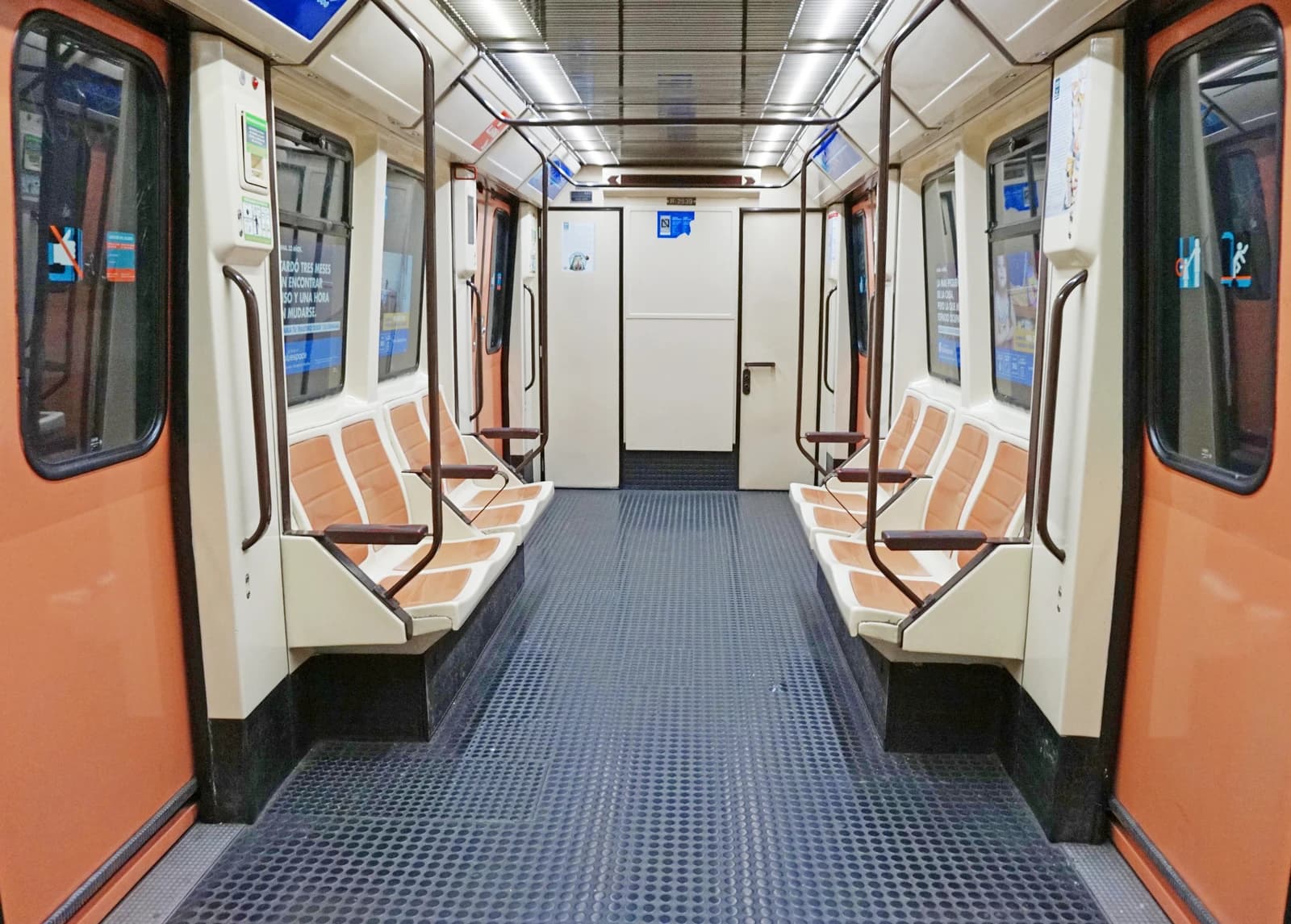
Quito’s decision to lift its urban bus fare to 40 cents from January 2027 matters less for the five-cent increase itself than for what it reveals about how the capital is trying to reprice public transport after years of frozen fares, subsidy pressure and service complaints.
Quito raises urban bus fare to 40 cents in 2027
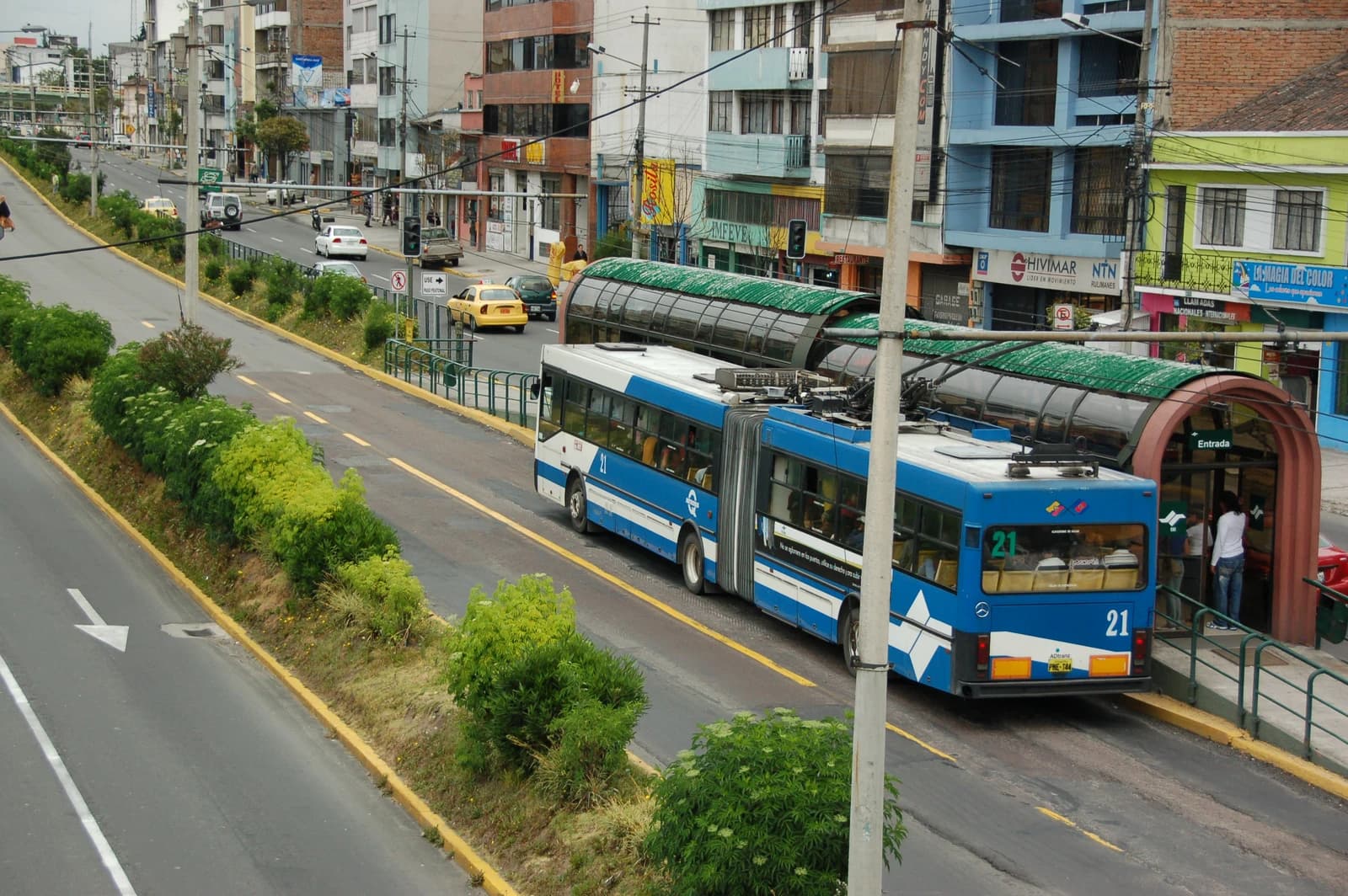
The Metropolitan Council approved the increase on Sept. 8 by 14 votes to six, with two absences, taking the fare from 35 cents to 40 cents. It will only take effect if operators meet a set of quality and technology commitments, including systems to monitor routes, speeds, frequency and driver performance, plus mechanisms for riders to report violations. Mayor Pabel Muñoz has said transport companies will not receive the higher fare if they fail to comply.
Sentiment IndicatorsⓘProprietary · adalytica.com · September 27, 2026
This is a snapshot — live sentiment, awareness and momentum for 130+ markets update continuously in the dashboard.Open AlphaPulse
The move closes another chapter in Quito’s post-dollarization fare history. Urban bus fares were set at 25 cents in 2003 and stayed there for about 17 years before rising to 35 cents in 2020. The new increase means the fare will have climbed 15 cents over nearly 24 years, a modest adjustment in nominal terms but one that comes against a very different inflation and cost backdrop than when dollarization first fixed the price. Ecuador’s dollarized economy has stripped away exchange-rate cushioning, leaving operators more exposed to wage, fuel, maintenance and financing costs that municipalities cannot easily absorb indefinitely.
For city finances and transit economics, the decision is an attempt to balance affordability with operator viability and service standards. Quito’s authorities are effectively using fare relief as a conditional instrument: passengers pay more only if the system becomes more accountable. That reflects a broader Latin American pattern in which municipal governments are trying to prevent service deterioration without fully socializing the cost through the public budget. The political appeal is clear, but so is the risk: if enforcement is weak, higher fares can deepen public resentment without improving reliability.
The conditions matter because Quito’s bus network has faced repeated complaints over safety and compliance, from buses refusing to stop in emergencies to incidents involving drivers smoking on board, alongside outstanding fines reported at 170,000. In that environment, the fare increase is as much a regulatory test as an inflationary adjustment. If operators deliver better frequency, monitoring and discipline, the higher tariff could improve cash flow for fleet maintenance and labor conditions. If they do not, the city risks locking in a more expensive but still poor-quality service.
For investors and operators, the key issue is whether the new fare framework creates a path to more stable revenue or simply postpones another political confrontation. The bus system itself is not a listed asset, but the economics ripple outward: higher transport costs affect household budgets, labor mobility and demand in the urban economy, while better service could support ridership retention and reduce pressure for informal alternatives. The conditionality also matters for procurement, technology vendors and potentially electric bus expansion, as Quito seeks tighter control over operations.
The broader narrative is that Quito is moving from a low-fare, politically constrained model toward a more performance-based transit regime. Whether that works will depend less on the size of the increase than on enforcement. If the municipality follows through, the city could establish a template for fare adjustment tied to measurable service delivery. If it does not, the 40-cent ticket may become another price hike that fixes nothing.
| Entity | Gains | Losses |
|---|---|---|
| Quito municipality | ▲More pricing flexibility | ▼Higher political scrutiny |
| Bus operators | ▲Higher revenue potential | ▼Stricter compliance demands |
| Urban riders | ▲Better service if enforced | ▼Higher commuting costs |
| Taxi and informal transport | ▲Possible demand spillover | ▼Less if buses improve |