French motorists are flooding gas stations just over the Spanish border, where diesel is as much as 53 centimes a litre cheaper than on the French side, turning a cross-border price gap into a daily trade flow that is reshaping local demand for fuel.
French motorists buy cheaper diesel in Spain
The rush matters because it shows how quickly consumers re-route spending when fuel taxes and subsidies create a large enough arbitrage. At Easygas in Fontarabie, manager Txomin Isa said the station serves 2,000 to 2,500 drivers a day, with more than 80% coming from northern France. The draw is strongest for diesel, where Spanish government rebates have cut the price by around 20 centimes and widened the gap with France to roughly 53 centimes at Easygas versus the cheapest local station in Urrugne.
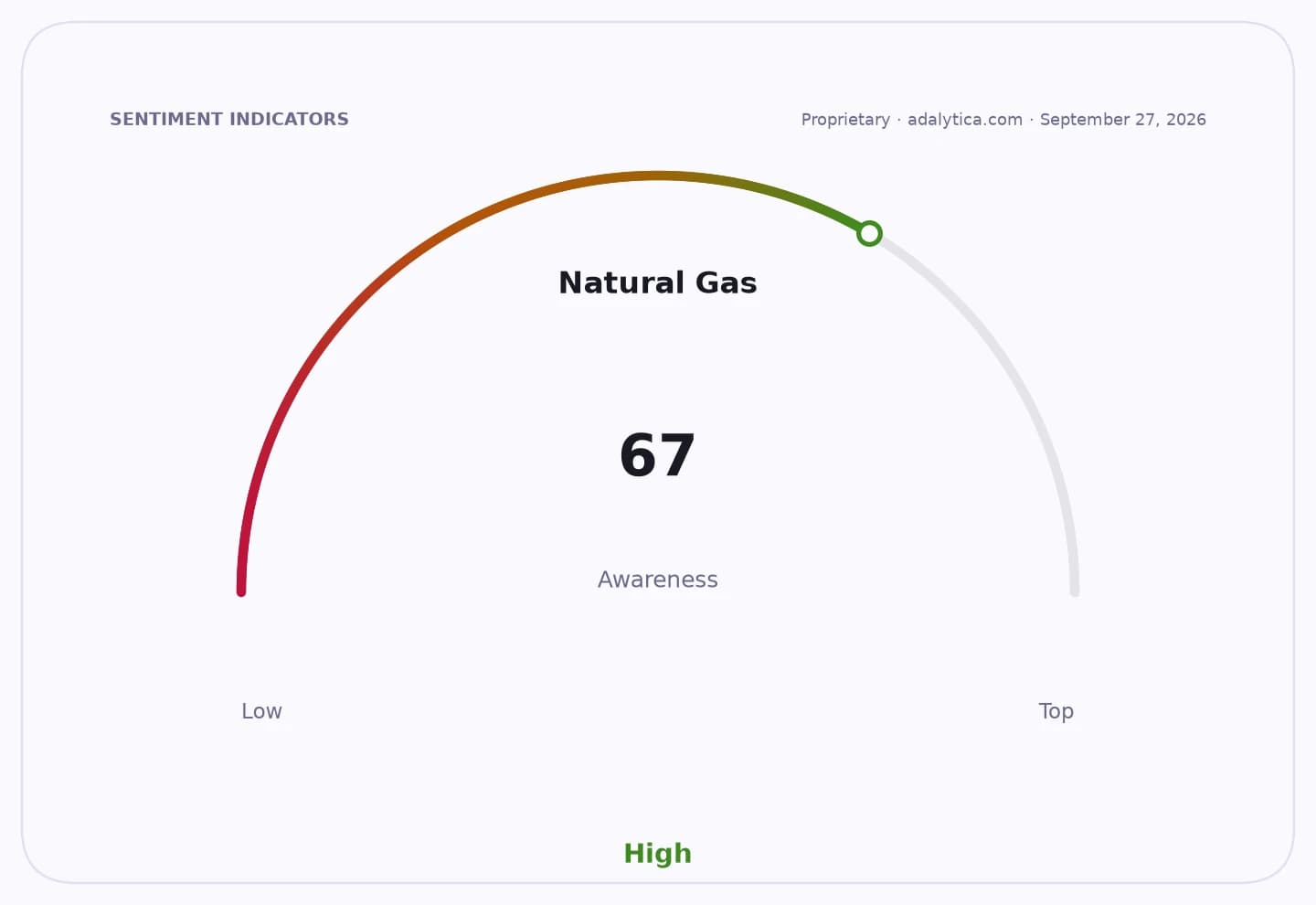
Sentiment IndicatorsⓘProprietary · adalytica.com · September 27, 2026
This is a snapshot — live sentiment, awareness and momentum for 130+ markets update continuously in the dashboard.Open AlphaPulse
That difference is not just pocket change for households and small businesses. For commuters, tradespeople and taxi drivers, a monthly detour across the Bidassoa can offset a full tank and, in some cases, cover the fuel cost of the trip itself. The economics are even more compelling for drivers who also buy cigarettes or groceries, effectively bundling two consumption categories into one cross-border run. The result is a drain on French retail fuel sales near the frontier and a boost for Spanish stations and adjacent retail outlets.
The pattern also underlines how sensitive fuel demand remains to policy rather than crude prices alone. Brent and U.S. oil benchmarks have been volatile, with the U.S. crude ETF USO still trading well above its 50-day and 200-day moving averages, but the immediate driver for this border traffic is the tax and subsidy spread. When Spain introduced temporary fuel relief in April, the flow intensified; if those measures are revised in October as planned, the trade could cool just as quickly.
For investors, the story is a reminder that downstream fuel margins and retail volumes are highly local, even in a global oil market. French retailers along the border face volume pressure, while Spanish fuel sellers and nearby supermarkets gain footfall. Bigger energy producers such as Chevron and refining-heavy operators such as Valero and Marathon Petroleum are less exposed to one border crossing than to broader crack spreads, but the episode illustrates the same basic truth: when policy distorts pump prices, consumers move first and margins follow.
The near-term watchpoint is whether Madrid trims its rebates and whether French stations respond with their own promotional pricing. If the gap narrows, the traffic should ease; if not, the border will keep functioning as a price valve for French households squeezed by transport costs and for Spanish retailers enjoying the spillover.
| Entity | Gains | Losses |
|---|---|---|
| Spanish border stations | ▲Higher volumes | ▼Lower pricing power |
| French motorists | ▲Cheaper fuel | ▼Time and travel costs |
| French fuel retailers | ▲None | ▼Lost local sales |
| Spanish supermarkets/retailers | ▲Spillover footfall | ▼Congestion and bottlenecks |