Ōwae Marae in Waitara saw its monthly electricity bill surge from about NZ$400 to as much as NZ$2,000 after a solar and battery installation, exposing how New Zealand’s power pricing structure can punish low-use community sites when peak demand is billed like a commercial operation.
Ōwae Marae bill jumps after solar battery install
The case matters far beyond one marae. It highlights a structural mismatch between how electricity networks charge for capacity and how marae actually use power: idle most days, then suddenly heavy users during tangihanga, hui and other major gatherings. For non-profit organisations that rely on koha, a fivefold increase in running costs can quickly undermine the economics of electrification and discourage other marae from cutting emissions or modernising facilities.
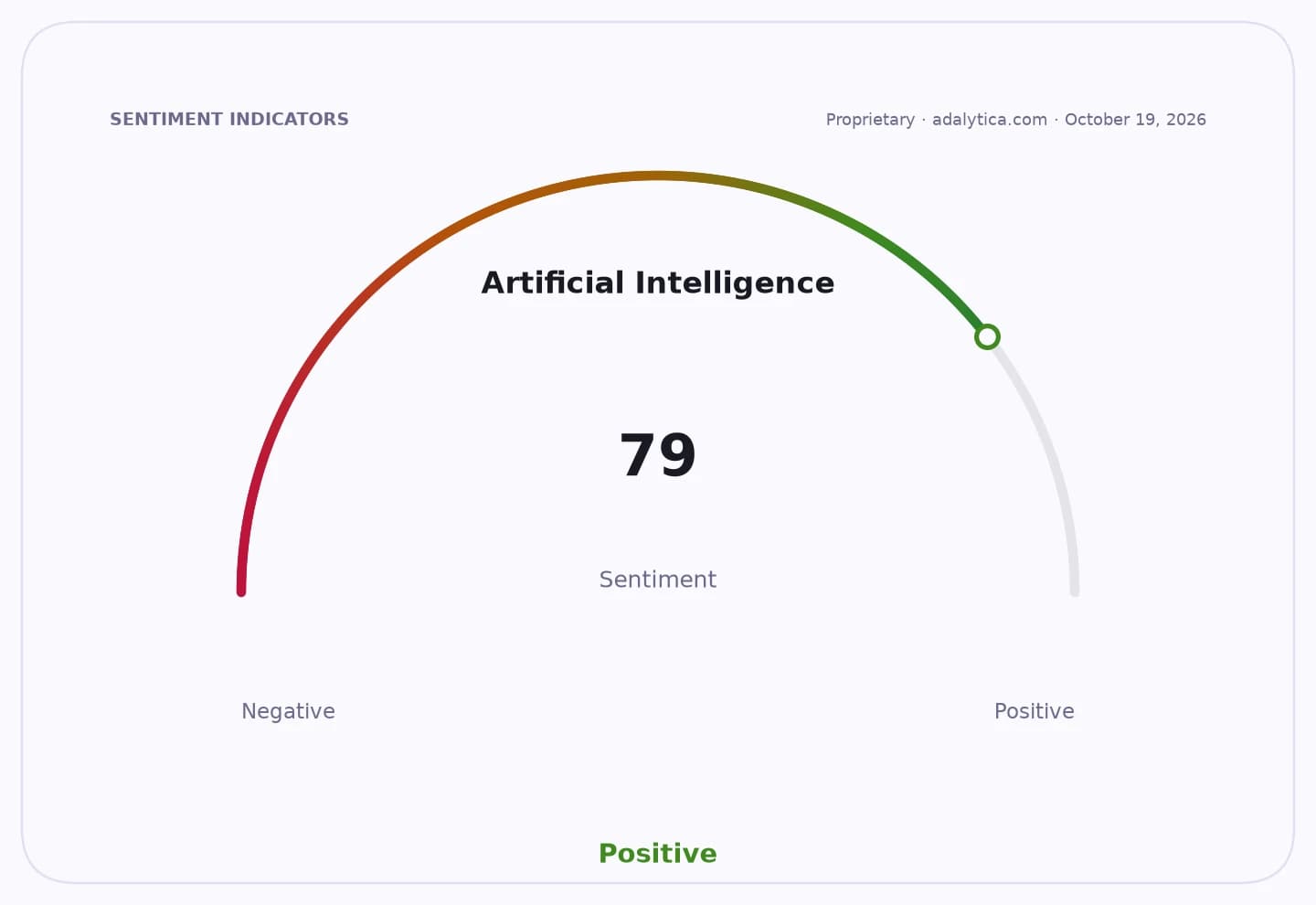
Sentiment IndicatorsⓘProprietary · adalytica.com · October 18, 2026
This is a snapshot — live sentiment, awareness and momentum for 130+ markets update continuously in the dashboard.Open AlphaPulse
Ruka Te Moana, managing director of Te Piringa Pūngao, said the biggest charge came from peak demand pricing that effectively treated the marae like a business with constant load. He said Ōwae also appears to have been overspecced with a 300kVA transformer when about 50kVA may have been enough, adding to costs that should never have been passed through to the customer.
The episode is now being read as a warning for New Zealand’s broader push to electrify community infrastructure. Rewiring Aotearoa says marae can save between NZ$6,000 and NZ$23,000 a year by switching heating, hot water and cooking from LPG to electricity, but only if the projects are designed around actual usage and the funding includes due diligence, engineering advice and network planning.
For investors and utilities, the story points to a growing risk in distributed energy rollout: bad tariff design can slow adoption, increase customer backlash and leave expensive grid assets underused. It also raises questions for installers, engineers and electricity distribution businesses over liability, design standards and whether they are creating stranded equipment in the field.
The broader implication is that electrification can still lower emissions and improve resilience for marae, but only if pricing rules, transformer sizing and technical support are fixed first. Without that, more community groups may decide to go fully off-grid, even if that means losing backup power and the ability to export excess energy to others.
| Entity | Gains | Losses |
|---|---|---|
| Ōwae Marae / other marae | ▲Better-designed support | ▼High capacity charges |
| Electricity distributors | ▲Higher network revenue | ▼Customer trust |
| Installers / engineers | ▲More project demand | ▼Scrutiny over overspeccing |
| Rewiring Aotearoa / advocates | ▲Stronger case for reform | ▼Proof of rollout risks |