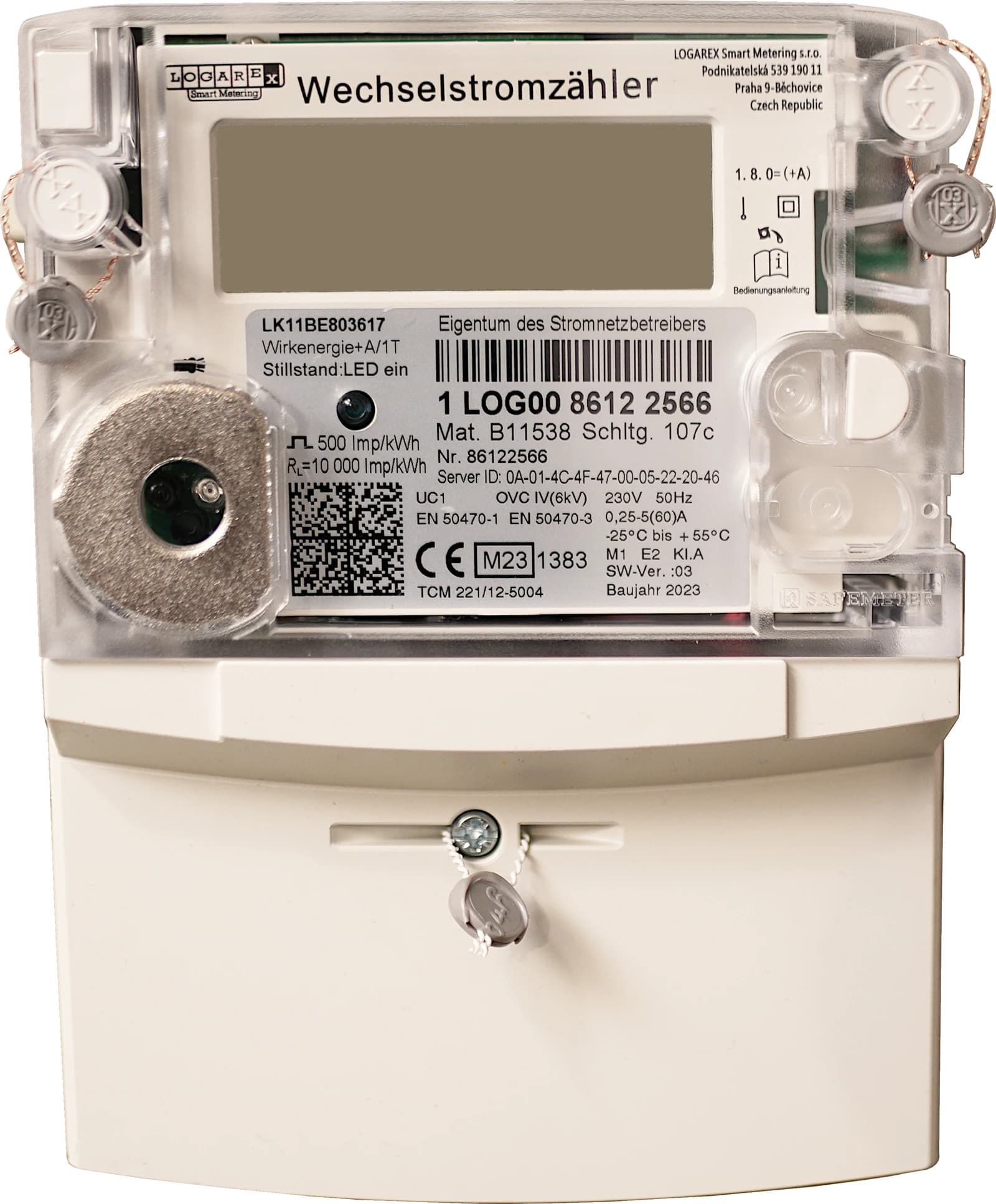
Egypt’s electricity regulator is telling households installing prepaid meters for the first time to verify the unit is properly fixed, the clock is set correctly and the charging card works before the technician leaves — a small step that matters because billing errors and faulty activation can quickly turn a routine utility upgrade into a cash-flow headache for consumers and a collection problem for the power system.
Egypt regulator warns on prepaid meter installation
The directive from the Electricity Utility Regulatory Authority underscores how much Egypt’s power-sector modernization now depends on prepaid metering discipline. Prepaid meters are designed to improve revenue collection, reduce losses and give utilities better visibility into demand, but they only work as intended if the installation is correct from day one. A mis-set date or time can distort consumption records, while a faulty card-read can lock out top-ups and leave users without power despite having paid.
For investors, the broader lesson is that grid digitization and metering replacement are not just administrative upgrades; they are a toll road for utility cash flows. Better meter accuracy improves collections, reduces arrears and supports rate recovery, which is critical in markets where utilities often struggle with theft, nonpayment and fragmented service quality. In that sense, the regulator’s guidance is a reminder that operational execution, not just policy intent, determines whether sector reforms translate into stronger utility balance sheets.
The move also fits a wider global trend: as governments push smarter electricity networks, the value migrates toward companies that supply meters, payment systems, installation services and grid software, while legacy leakages in the system come under pressure. The install base for prepaid and smart meters remains one of the most durable demand drivers in power infrastructure, especially in emerging markets where governments want to tighten collections without triggering politically sensitive tariff hikes.
The market implication is straightforward: the best opportunities tend to sit upstream of the consumer experience, in the hardware and software that make billing reliable. Utilities that can enforce first-time installation checks and reduce service complaints are better positioned to protect revenue and finance future capex. That makes metering, grid modernization and utility technology a secular theme worth watching closely as electricity demand rises and governments get more serious about payment discipline.
| Entity | Gains | Losses |
|---|---|---|
| Electricity utility regulator | ▲Better compliance | ▼Fewer collection leaks |
| Meter makers and installers | ▲More deployment demand | ▼More scrutiny on quality |
| Utilities | ▲Higher revenue collection | ▼Fewer billing disputes |
| Households | ▲Clearer billing process | ▼Less room for installation error |