Smart meters will not automatically lower a household’s electricity bill, but they are reshaping the utility model by giving power companies and customers far more granular data on usage, enabling prepaid billing and tighter consumption tracking.
Smart meters reshape utility billing and grid data
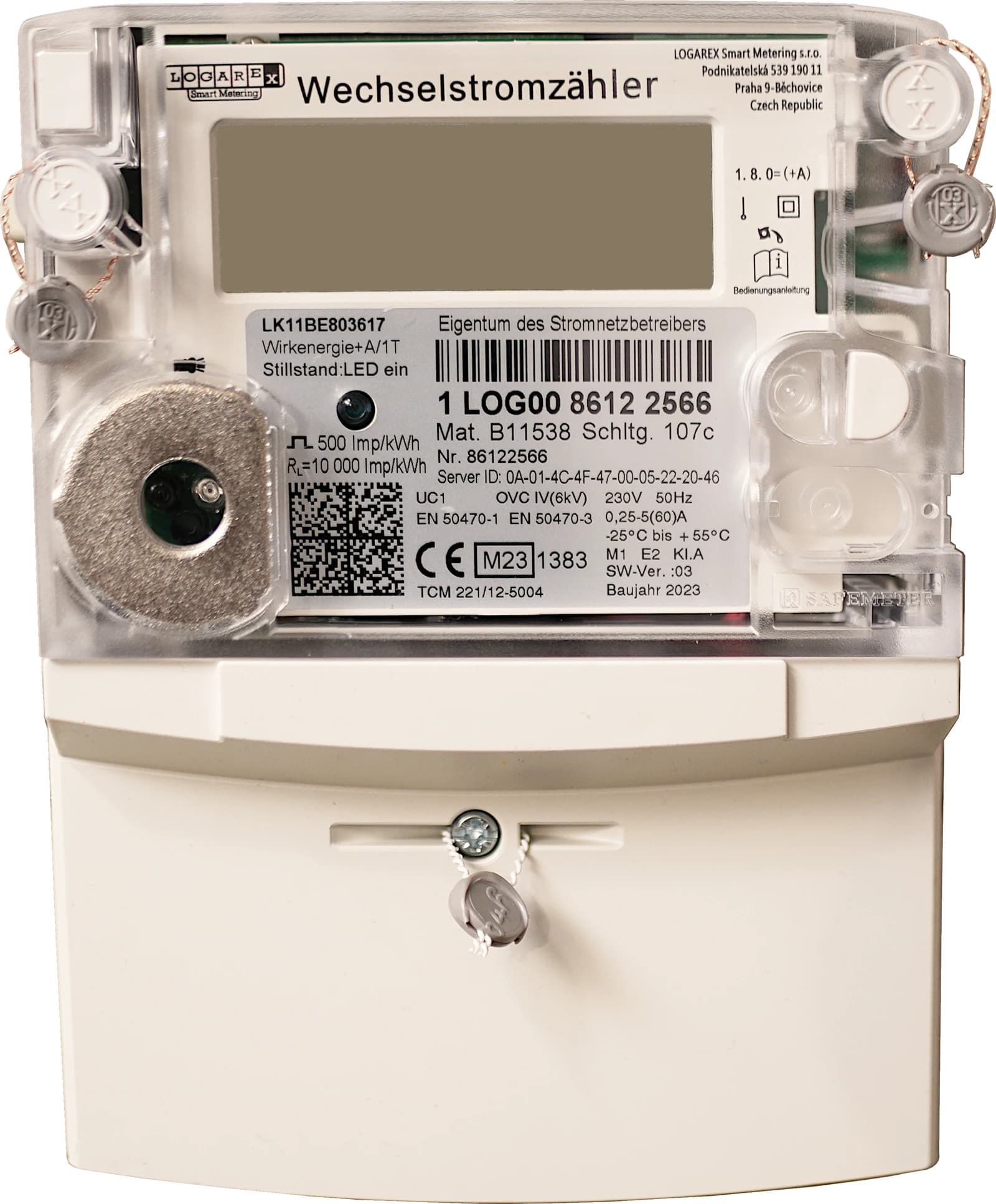
That matters because the biggest economic change is not the meter itself, but the shift from an old, estimated, end-of-month reading system to a digital platform that can record consumption in real time. In practical terms, if a home uses 300 units of power before and after the swap, the bill will not fall simply because the meter is newer. What changes is visibility: consumers can see when electricity is being used, monitor it daily through apps and receive alerts as balances run down in prepaid setups.
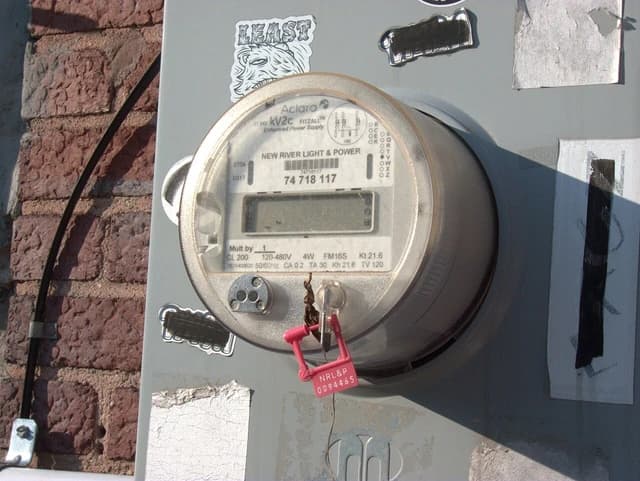
For utilities, that improves billing accuracy and cuts the scope for estimated invoices, missed readings and disputes. For investors, it also points to a broader digitalization of the power grid — a long-term spending cycle that benefits smart-meter vendors, grid software providers and regulated utilities that can recover capital costs through tariffs. The investment case is not that smart meters reduce consumption on their own, but that they create the infrastructure for more efficient revenue collection, demand management and future time-of-use pricing.
The distinction from old meters is straightforward. Legacy meters rely on periodic manual readings, which means bills can be delayed or based on estimates if a reader cannot access the property. Smart meters are digital and continuously collect usage data. In prepaid configurations, they work more like a mobile recharge plan: customers add credit, electricity is deducted as it is used and low-balance alerts are triggered before the supply is interrupted.
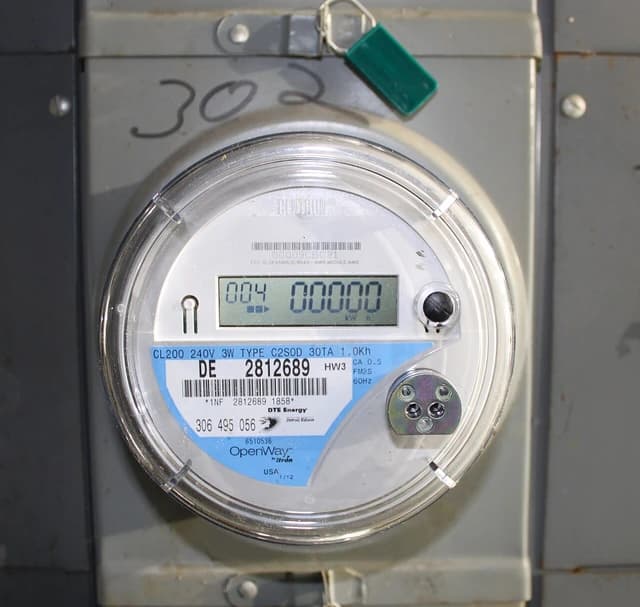
That is why the market should think of smart-meter rollouts as part of a utility capex and digitization theme, not a consumer savings story. Households that manage usage better may reduce bills over time, but only through behavior change, not because the meter itself is cheaper. The real economic payoff sits with utilities and the technology stack around them.
| Entity | Gains | Losses |
|---|---|---|
| Utility companies | ▲Better billing accuracy | ▼Manual reading costs |
| Smart-meter vendors | ▲Higher rollout demand | ▼Old-meter suppliers |
| Consumers who track usage | ▲More visibility on consumption | ▼No automatic bill cut |
| Prepaid users | ▲Spending control | ▼Balance depletion risk |