Damaged U.S. bills are increasingly being turned away at checkout, a shift that matters because retailers, banks and ATMs are being used as the front line in a broader federal campaign to protect the dollar from counterfeiting and fraud.
U.S. retailers reject damaged cash
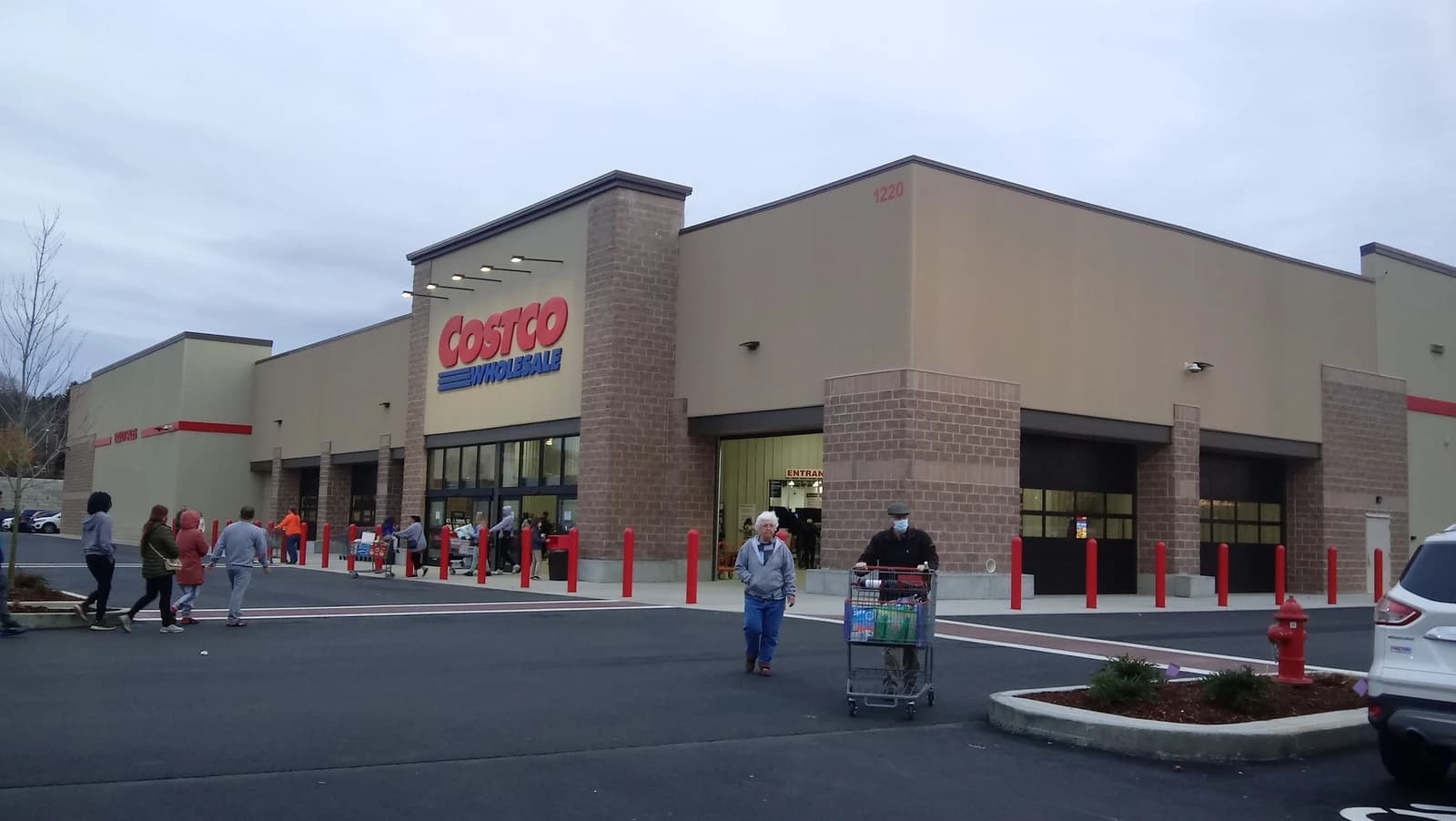
The practical effect is simple: a worn note is not automatically invalid, but cash that is torn, burned, water-damaged, decolored or missing key sections can be rejected by stores including Walmart, Costco, Target and Dollar Tree. That raises the stakes for consumers who still pay in cash, especially as the physical condition of bills becomes part of whether a payment clears.
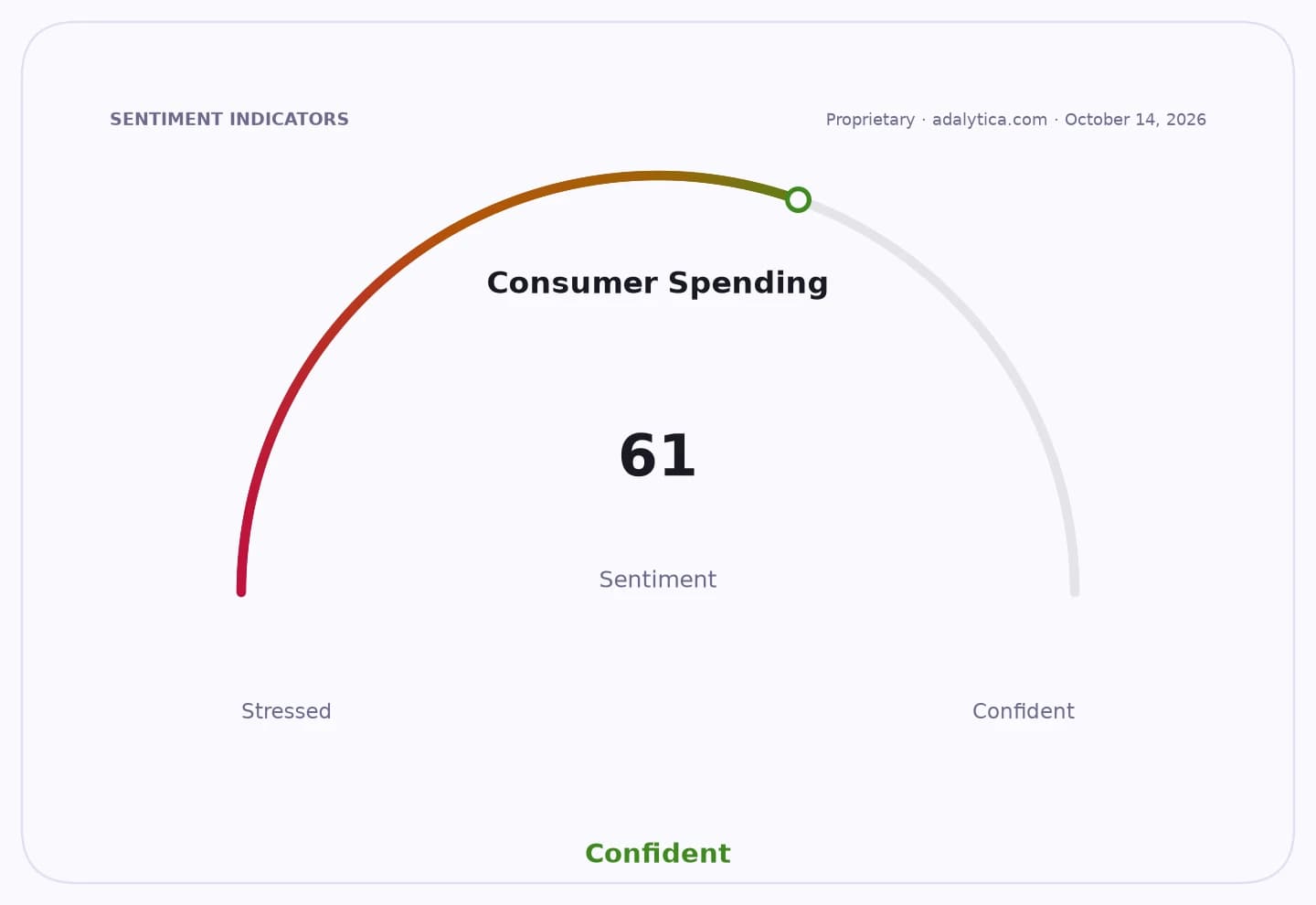
Sentiment IndicatorsⓘProprietary · adalytica.com · October 10, 2026
This is a snapshot — live sentiment, awareness and momentum for 130+ markets update continuously in the dashboard.Open AlphaPulse
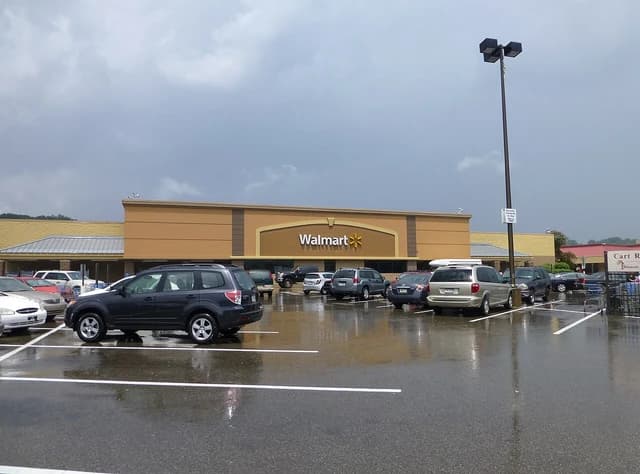
For investors, the issue is more operational than macroeconomic, but it still touches major consumer names. Walmart shares were last around $111.35, with the stock trading above its 50-day moving average of $108.43 and its 200-day moving average of $117.75, while Costco ended near $946.92, also holding above its 50-day average of $931.43 but still below its 200-day average of $961.57.
The policy backdrop is the Treasury ecosystem’s effort to harden the currency system. The Bureau of Engraving and Printing, the U.S. Secret Service and the Advanced Counterfeit Deterrence Steering Committee are driving the effort, while the Federal Reserve continues to recognize all currently issued denominations from $1 to $100, along with older notes such as $500, $1,000 and $10,000 bills if they are still fit for use.
The distinction matters for consumers and retailers alike. Old notes can still circulate; the problem is mutilation, which can make a bill hard to authenticate or determine its value. In those cases, the BEP can evaluate the note and, if warranted, issue compensation after a consumer files a claim.
That gives shoppers a path to recover value, but it also underscores a quiet compliance burden for merchants that process large volumes of cash. As more retailers tighten acceptance standards, the burden shifts toward consumers to check note condition before spending, and toward the cash-handling system to sort damaged currency faster.
The Federal Reserve is also preparing new bill designs, with a redesigned $50 planned for 2028, a new $20 in 2030 and updated $5 and $100 notes later in the decade. For investors, the broader takeaway is that cash remains usable, but the rules around what counts as acceptable currency are getting stricter, reinforcing the steady migration toward cleaner, more secure payment rails.
| Entity | Gains | Losses |
|---|---|---|
| U.S. Treasury/BEP/Secret Service | ▲Stronger currency security | ▼Higher enforcement burden |
| Retailers like Walmart and Costco | ▲Fewer counterfeit risks | ▼More cash-handling friction |
| Consumers with intact cash | ▲Clearer acceptance rules | ▼Rejected damaged bills |
| Holders of mutilated notes | ▲Claim/replacement process | ▼Possible payment rejections |