Indonesia is trying to turn its vast cultural inheritance into a growth industry, with Culture Minister Fadli Zon arguing that heritage, film, music and crafts can deliver a more durable economic engine than the country’s finite natural resources.
Indonesia Pushes Culture as a Growth Industry

That matters because Jakarta is looking for the next leg of development at a time when commodity-led growth is increasingly exposed to the long-cycle risk of depletion, price swings and weaker global demand. If culture can be monetized at scale, it offers a higher-value, less extractive source of income that can support jobs, exports, tourism, brand power and foreign exchange for decades.
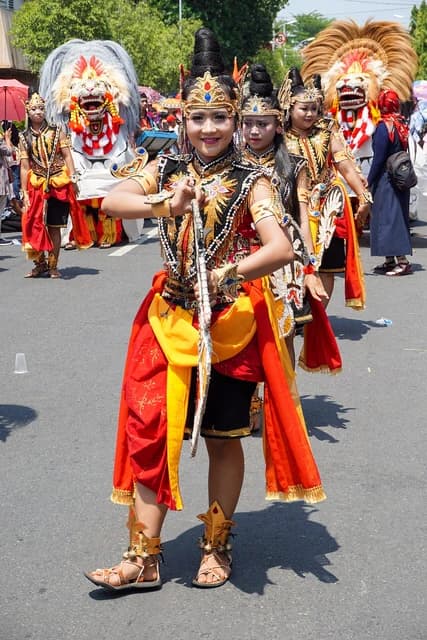
Fadli’s pitch is not just rhetoric. Indonesia says it has 1,340 ethnic groups and 718 local languages, a scale of cultural diversity that could feed everything from culinary brands and batik to music, animation and film. He also pointed to hard numbers already visible in the domestic market: Indonesian films now account for 67% of the national box office, while local music consumption reaches 80%. Those are the kinds of adoption rates that suggest the creative economy is no longer a niche — it is becoming a mainstream consumer market.
For investors, the opportunity is in the picks-and-shovels around that shift. The immediate beneficiaries are likely to be Indonesian media, entertainment, travel, education and consumer brands tied to local identity, as well as venues, distributors and digital platforms that can scale homegrown content. Over time, stronger cultural exports can also improve Indonesia’s soft power, which matters for tourism flows, cross-border partnerships and the country’s ability to command attention in regional and global markets.
The government is backing the thesis with policy. A national talent management program now covers film, music, literature, visual arts and performing arts, while hundreds of museums and heritage sites are being restored. Jakarta is also pushing for the return of artifacts taken abroad during the colonial era, with tens of thousands of objects reportedly repatriated between 2024 and 2026. That adds a diplomatic layer to the story: cultural restitution is becoming part of Indonesia’s broader effort to reclaim narrative control over its own history.
The market does not yet fully price a cultural economy the way it prices commodities or infrastructure, which is exactly why the theme is interesting. The upside is not in one blockbuster policy announcement; it is in a multi-year re-rating of culture from “soft” symbolism into hard economic value. If Indonesia sustains this push, the biggest winners will be the companies that own distribution, content, tourism and consumer brands rooted in local authenticity — and the biggest losers will be investors still treating culture as a side story rather than a growth lane.
| Entity | Gains | Losses |
|---|---|---|
| Indonesian creative companies | ▲Bigger domestic demand | ▼Reliance on volatile commodities |
| Film, music and media platforms | ▲Audience growth | ▼Traditional extractive sectors |
| Tourism and heritage operators | ▲Higher cultural traffic | ▼Missed diversification upside |
| Commodity-dependent economy | ▲Longer-term resilience | ▼Finite resource model |