Indonesia is back on the radar for long-term investors — not because it is loved, but because it is being ignored.
Indonesia equities draw Julius Baer contrarian call

That is exactly why Bank Julius Baer is calling the country an emerging-market “refrigerator trade,” a contrarian setup where valuations can stay cold for a while before thawing into gains. For investors willing to think in years, not weeks, the appeal is straightforward: Indonesia still has structural growth drivers, while the market is trading with little of the enthusiasm that has lifted artificial-intelligence favorites and U.S. assets.
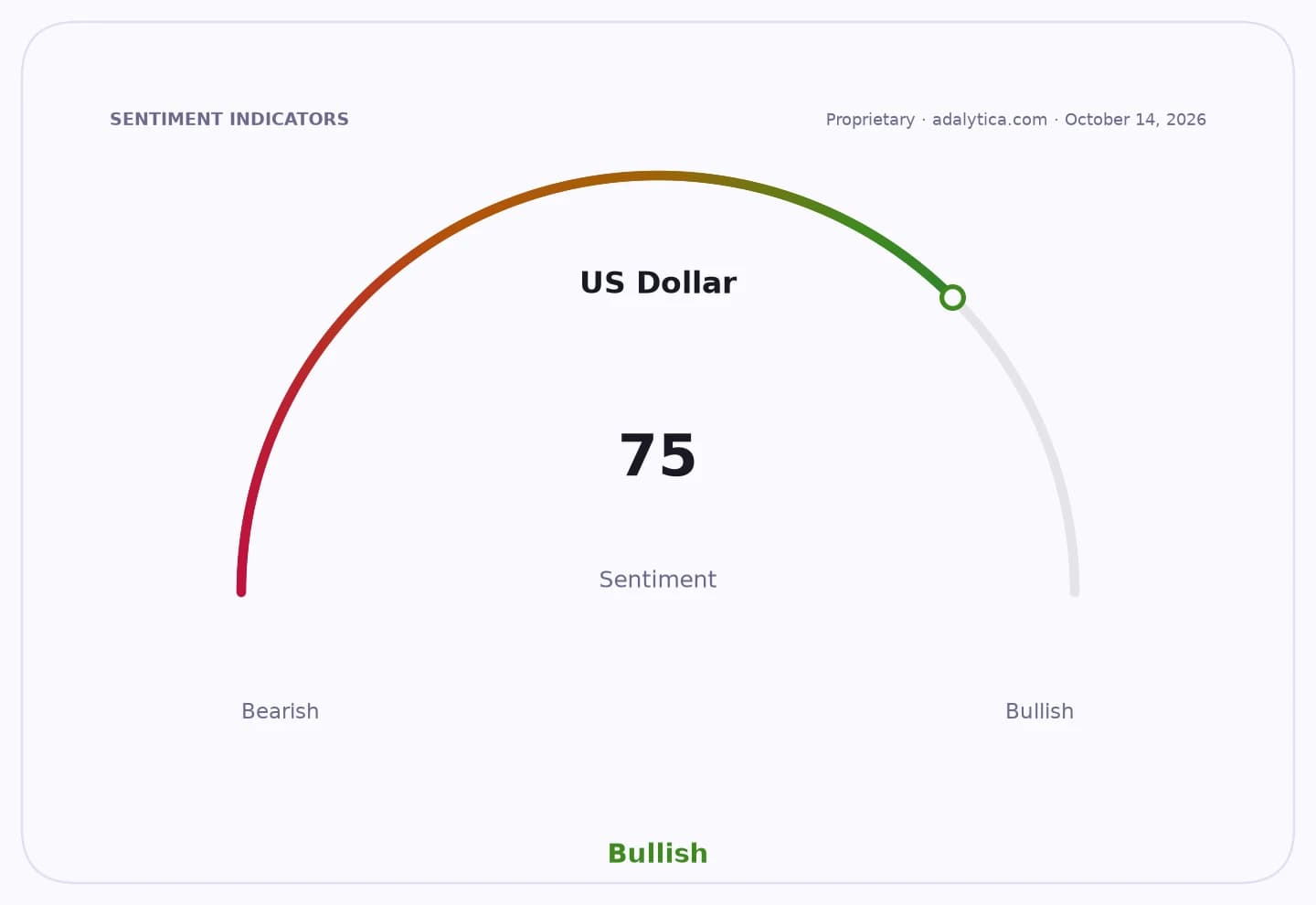
Sentiment IndicatorsⓘProprietary · adalytica.com · October 14, 2026
This is a snapshot — live sentiment, awareness and momentum for 130+ markets update continuously in the dashboard.Open AlphaPulse
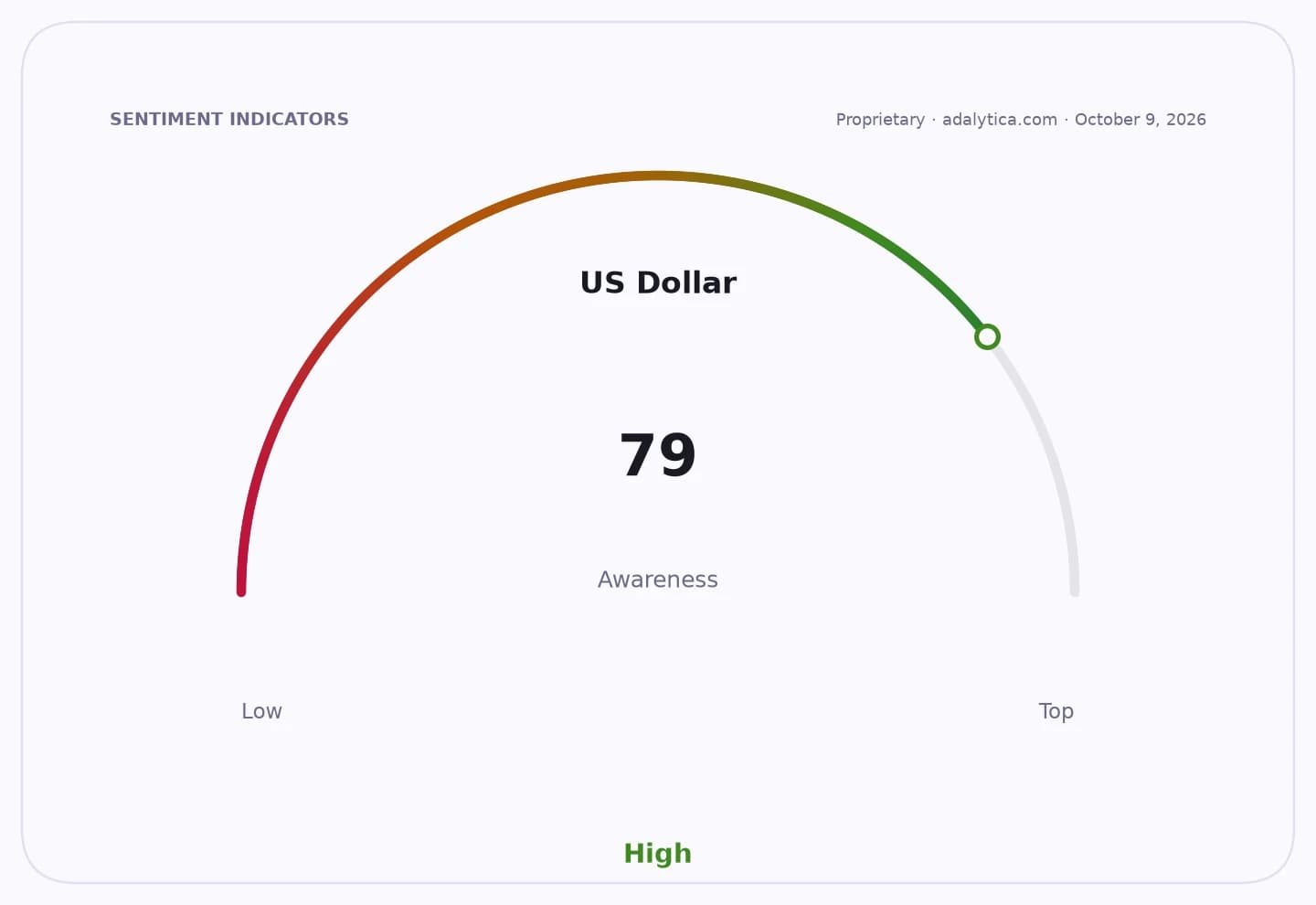
Mark Matthews of Julius Baer also lumped Indonesia with India as one of the contrarian calls being overlooked amid a strong U.S. dollar and the absence of an AI story. That matters because capital flows are often driven less by what is improving on the ground than by what is fashionable globally. When the dollar is firm, emerging markets usually have to work harder for attention. When AI dominates market conversation, the rest of the world can look boring — even when the fundamentals are improving.
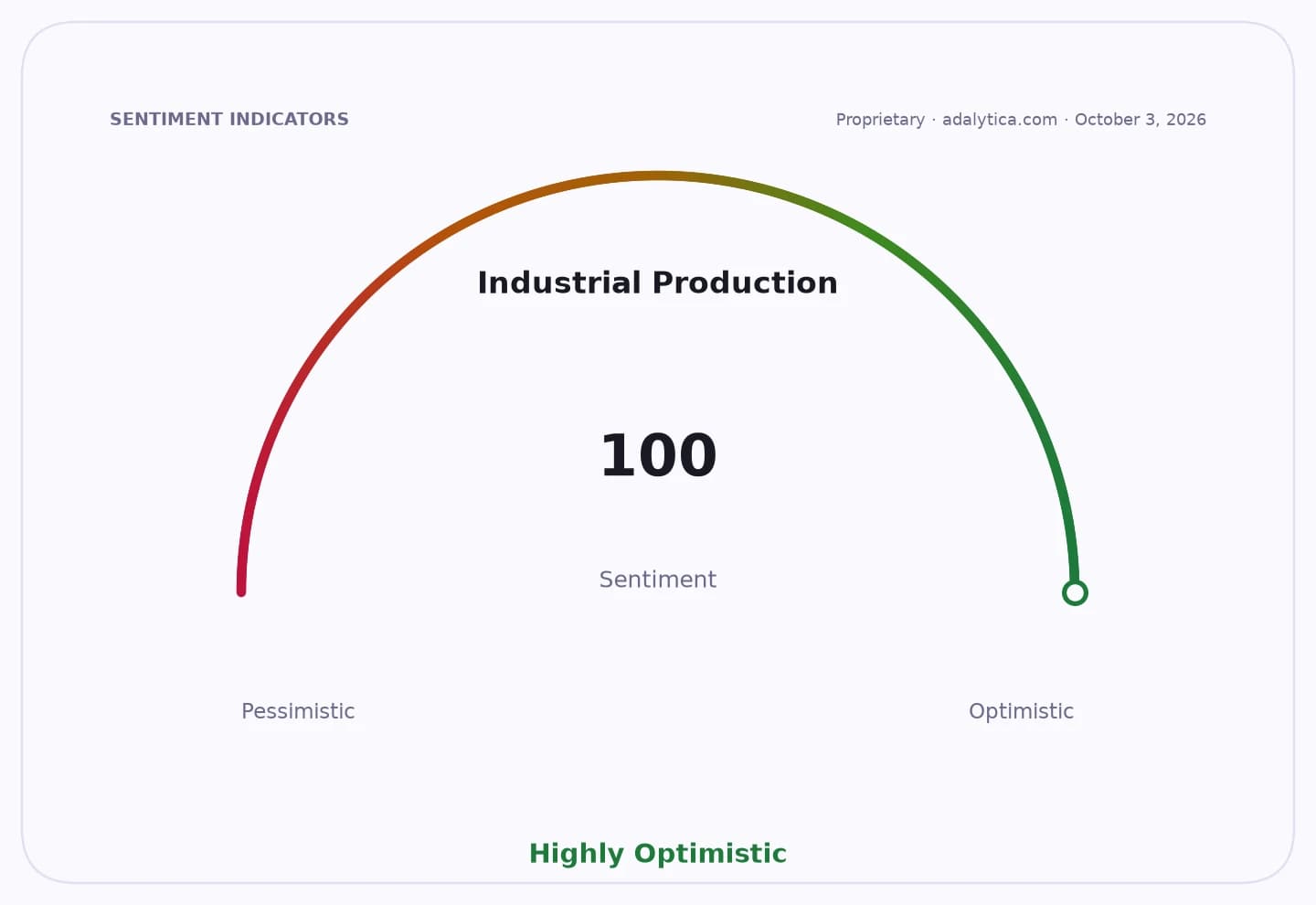
Indonesia’s case is not built on hype. It is built on scale, demographics and policy ambition. The government is targeting 8% economic growth, a tall order, but one that underscores how aggressively the country wants to harness its young population and industrial base. Recent data point to a strengthening economy, helped by a trade surplus and higher crude oil prices, while factory productivity is projected to rise 18.7% by 2029. That combination gives Indonesia something many markets lack: a plausible path to compounding earnings over time.
For investors, the point is not to chase every headline. It is to ask whether today’s indifference is creating tomorrow’s opportunity. If the U.S. dollar eventually softens, if global risk appetite broadens beyond U.S. tech, and if Indonesia continues to execute on growth and productivity, capital could rotate into markets that were cheap precisely because they were unloved.
There are risks, of course. Indonesia is not immune to global dollar strength, commodity swings or shifts in foreign investor appetite. And as Matthews noted, Thailand may struggle to present a similarly compelling case because China’s competition is pressuring its car manufacturing sector. That makes regional selection matter: not every Asian market will benefit equally from a re-rating in emerging assets.
Still, for patient investors, Indonesia looks like the sort of market that can quietly reward discipline. It may not be the next AI darling, but that is the point. Sometimes the best long-term returns come from the places everyone else is too distracted to notice. Worth watching — and worth keeping on a buy-and-hold list.
| Entity | Gains | Losses |
|---|---|---|
| Indonesia equities | ▲Re-rating potential | ▼Neglect and cheap valuations |
| Long-term investors | ▲Contrarian upside | ▼Short-term performance chasers |
| U.S. dollar bulls | ▲Near-term currency support | ▼Emerging-market inflows |
| Thailand manufacturers | ▲None | ▼Pressure from China competition |