Indonesia’s tourism ministry is trying to turn small operators into investable businesses, using its WISH 2026 program to improve competitiveness, market access and funding links across the sector.
Indonesia tourism ministry scales up WISH 2026
That matters because tourism is increasingly being sold not just as a destination play, but as an ecosystem play: the stronger the pipeline of bankable local businesses, the more likely the sector is to attract private capital, retain visitor spending and lift value added in regions outside Java and Bali. In a travel market where demand is shifting toward personalized, experience-led trips, countries that can package authentic local products into scalable businesses are better placed to capture higher yields.
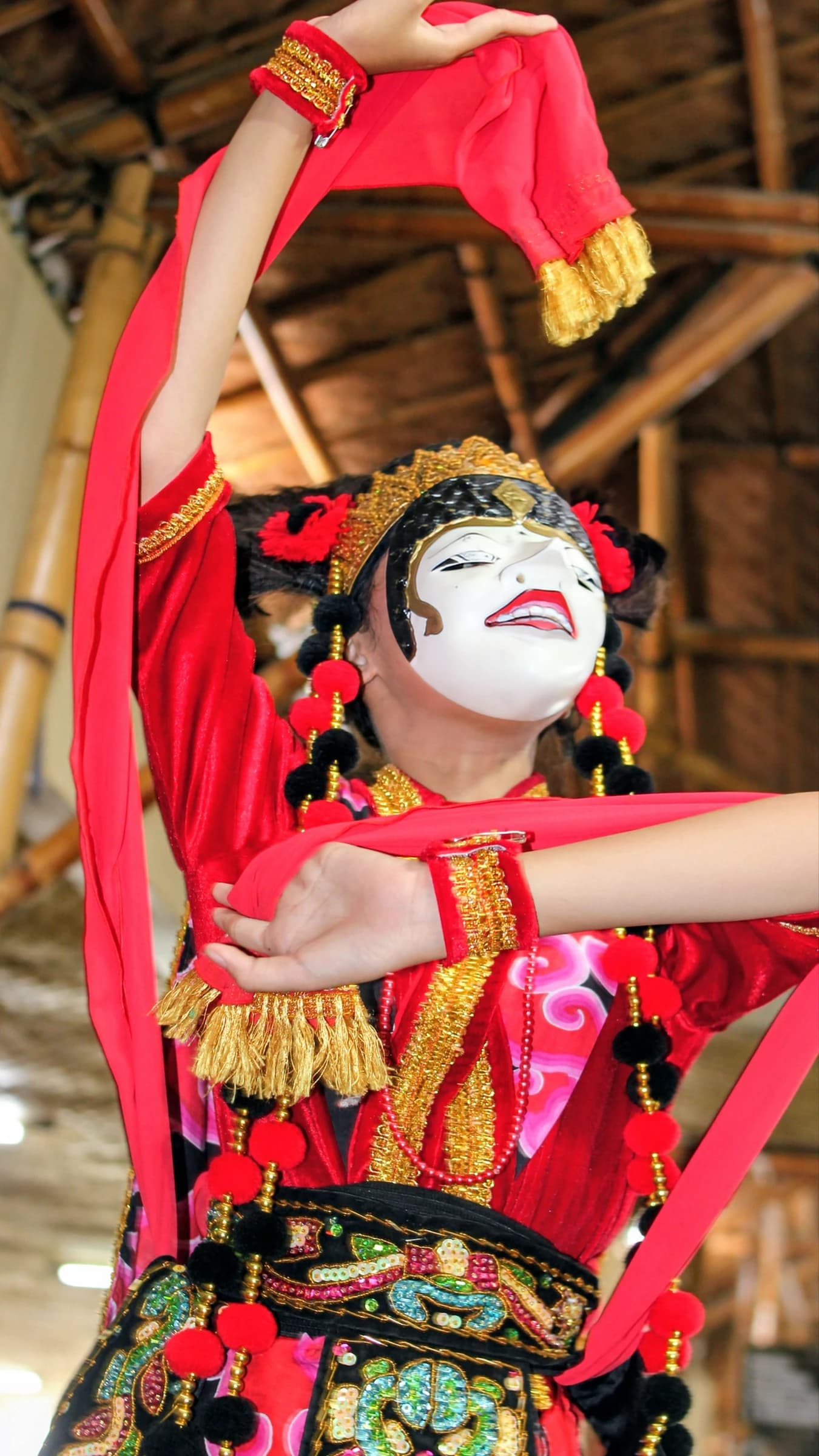
The Wonderful Indonesia Scale-up Hub 2026 is aimed at exactly that. The program offers training, mentoring, business matching and networking to help tourism firms improve management, product quality, service standards and access to capital. This year it is concentrated on three areas the ministry sees as high value: gastronomy, wellness and cultural-heritage tourism. Those segments typically generate more local spillovers than mass tourism because they pull in food suppliers, guides, artisans, transport operators and community-based services.
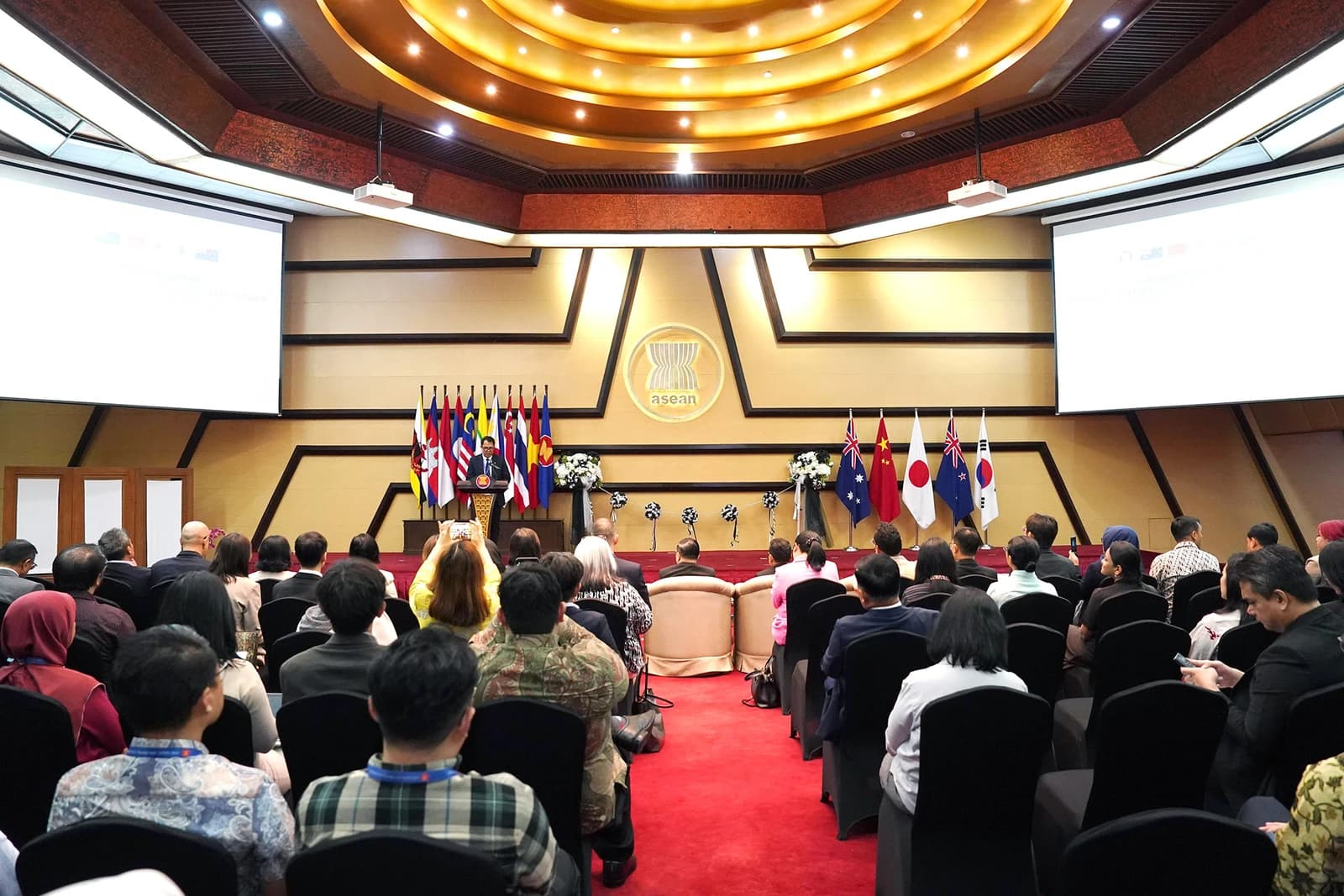
The ministry said the program drew 564 applicants before narrowing the field to 25 participants from 19 provinces for Demo Day, where they will present their businesses to potential investors, partners and industry stakeholders. For policymakers, the scale of the selection process signals that the challenge is not a lack of interest, but the difficulty of converting informal or early-stage tourism ventures into businesses that can secure financing and distribution. For investors, that is the key bottleneck: Indonesia may have abundant tourism assets, but monetizing them requires operators with governance, branding, pricing power and repeatable operations.
The pitch also fits a broader policy shift toward experience tourism, which generally carries better margins than commodity-style sightseeing. Gastronomy and wellness can command higher per-visitor spend, while heritage-based travel can extend length of stay and encourage spending in smaller cities and districts. If the program succeeds, it could help the ministry build a deeper bench of local suppliers that hotels, online travel platforms, tour operators and destination marketers can plug into.
The investor angle is more immediate than it may look. Tourism firms that can demonstrate revenue visibility, differentiated product offerings and access to strategic partnerships are more likely to attract financing, whether from domestic lenders, regional investors or international travel intermediaries. The ministry’s emphasis on business matching suggests it wants the program to do more than build skills; it wants to create transaction flow.
The risk is that training alone does not overcome structural constraints such as fragmented infrastructure, uneven digital adoption and limited access to working capital. But if WISH 2026 translates into actual partnerships and investment commitments, it could become a template for how Indonesia tries to upgrade tourism from a volume game into a higher-margin, more resilient industry.
| Entity | Gains | Losses |
|---|---|---|
| Local tourism SMEs | ▲Access to capital and mentors | ▼Informal, hard-to-scale operations |
| Indonesian tourism ministry | ▲Stronger sector competitiveness | ▼Policy credibility if deals do not follow |
| Investors and partners | ▲A curated deal pipeline | ▼Time cost of screening early-stage firms |
| Traditional mass-tourism operators | ▲Broader domestic ecosystem | ▼Market share to niche experience players |