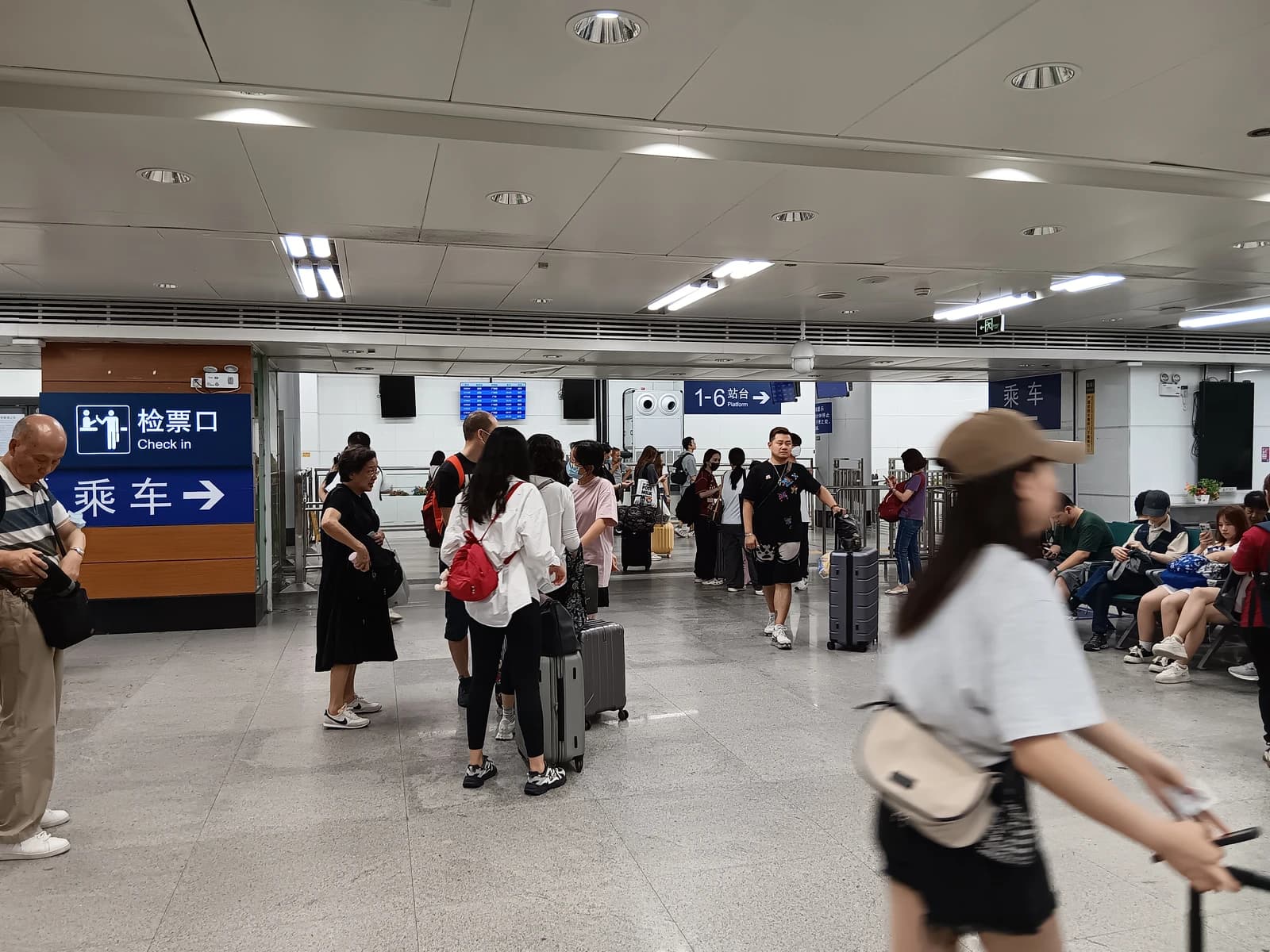
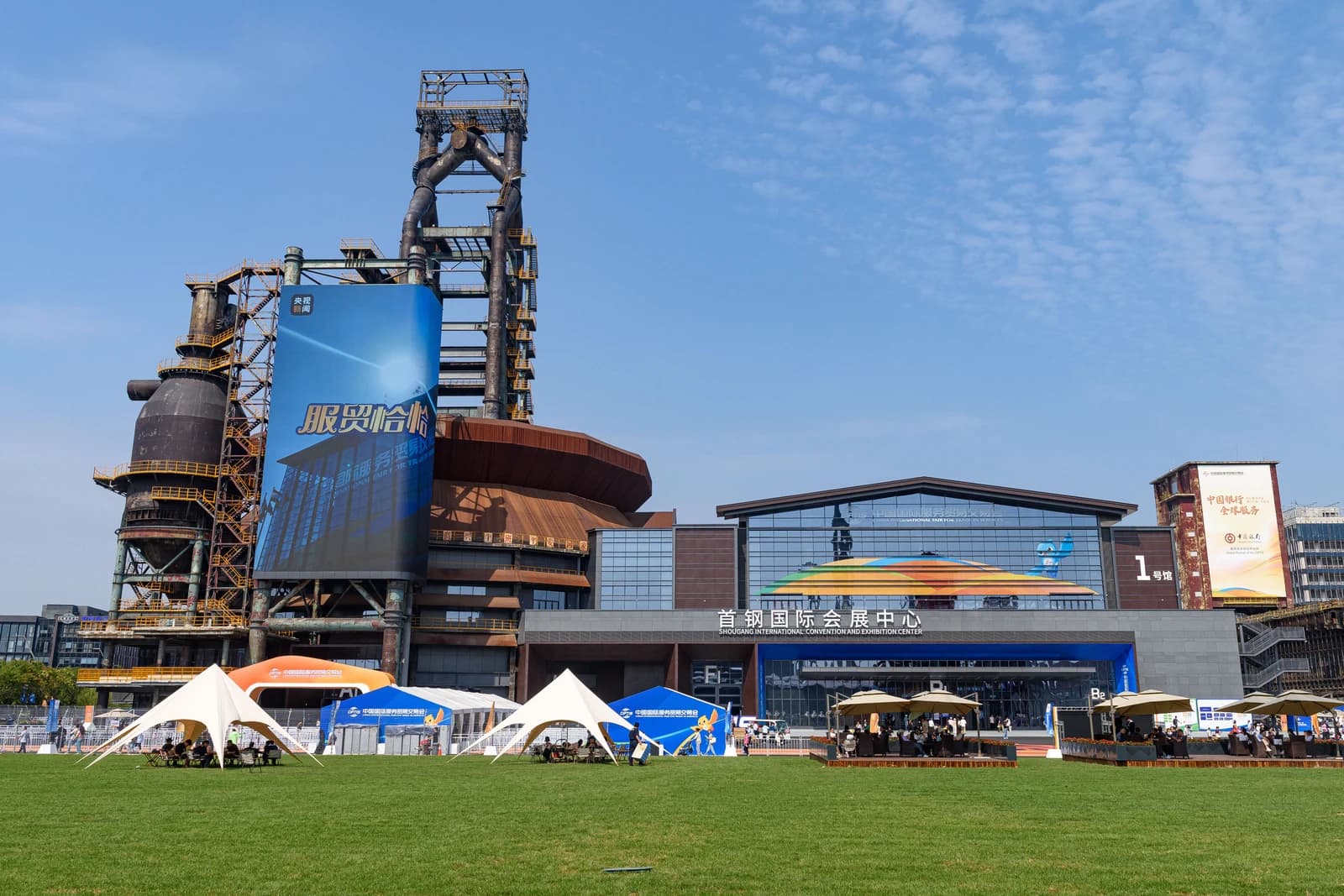
China’s National Day holiday has become a live proving ground for the country’s push to turn artificial intelligence, robotics and data tools into everyday travel infrastructure.
China National Day Holiday Tests Smart Tourism Tech
The most important development is not the holiday rush itself, but the scale at which smart-travel systems are being used to manage it. From AI navigation and driver-assistance features on long road trips to wearable exoskeletons at scenic sites and drone-backed crowd control in Shanghai, the week-long break is showing how China intends to make domestic tourism safer, smoother and less labor-intensive — and how quickly those tools are moving from pilot projects to commercial deployment.
Sentiment IndicatorsⓘProprietary · adalytica.com · October 12, 2026
This is a snapshot — live sentiment, awareness and momentum for 130+ markets update continuously in the dashboard.Open AlphaPulse
That matters economically because tourism is a major channel for consumer spending, transport demand and local-service revenues at a time when China is still looking for sturdier domestic demand. Technology that makes travel easier can lengthen trip distances, raise destination spending and widen the catchment area for inland and rural attractions. It also helps local governments and operators cope with the intense concentration of traffic and footfall that arrives during peak holidays, when traditional staffing and infrastructure strain most.
At Mount Tai in Shandong, more than 4,000 exoskeleton-assisted climbs were recorded during the holiday, with visitors aged 50 and above making up about 60% of users, according to the Taishan Cultural Tourism Group. That is a small but telling snapshot of a market where aging consumers are a natural customer base for assistive devices that reduce fatigue and joint strain. For robotics makers such as ULS Robotics and Kenqing Technology, the value of the holiday period goes beyond revenue: it generates real-world usage data on different body types, speeds and terrain conditions, which can improve algorithms, hardware design and safety systems.
The broader commercial opportunity is larger than scenic rentals. If exoskeletons, AI travel companions and smart navigation become normal features of Chinese travel, they could support sales not just for robotics firms but also for map, cloud, computer-vision and telecom providers that supply the underlying systems. On the ground, China’s tourism operators gain a way to handle older travelers and less mobile visitors, which could expand the addressable market for mountain parks, heritage sites and other physical destinations that were previously harder to access.
The holiday also highlights how technology is becoming part of public-order management. Shanghai’s Bund hosted more than 500,000 visitors on Oct. 1, and officials said an intelligent crowd-prediction system integrated with drones and big-data analytics helped steer pedestrian flows. Police drones were also deployed at events on Fuxing Island to guide people in and out of venues. For cities that regularly face holiday bottlenecks, better crowd prediction and monitoring can reduce safety risks and improve throughput, which in turn supports tourism receipts and lower incident-related disruption.
China’s policy direction supports that trend. The Ministry of Culture and Tourism has already set out a five-year plan calling for wider use of emerging technologies in tourism and more research and development in the sector. The holiday deployment shows the policy is filtering into practice, with smart-tourism tools moving from concept to consumer-facing service.
For investors, the story is less about a single holiday than about adoption. The bull case is that China’s large domestic travel market, dense digital ecosystem and state-backed push for “smart tourism” create a long runway for robotics, AI software and urban-tech suppliers. The bear case is that many of these applications remain localized, heavily policy-driven and dependent on seasonal demand, making it harder to prove recurring profitability. But the holiday data suggests the market is real, the use cases are practical and the commercial feedback loop is getting tighter.
What to watch next is whether these tools expand beyond marquee holiday destinations and major cities into broader tourism networks, where scale would matter more for revenue and margins. If that happens, China’s smart-travel push could become one of the more durable ways technology translates into domestic consumption.
| Entity | Gains | Losses |
|---|---|---|
| Tech vendors | ▲Higher adoption, richer usage data | ▼Pressure to prove profitability |
| Tour operators | ▲Better capacity management, wider audience | ▼Higher integration costs |
| Travelers, especially older tourists | ▲Easier, safer trips | ▼Less benefit from traditional services |
| Crowded city authorities | ▲Better flow control | ▼Greater dependence on tech systems |