Inflation is driving global business travel spending to a record $1.7 trillion this year, turning what many companies once hoped would be a permanent cutback into a stubbornly expensive line item that continues to support airlines, hotels, convention centers and travel-booking platforms.
Global business travel spending hits record $1.7 trillion
The Global Business Travel Association now expects worldwide spending on business trips to rise 7.2% in 2026 from 2025, even as the number of trips increases only 1.2% to 1.84 billion. That gap tells the real story: corporations are not traveling dramatically more, they are paying dramatically more for each trip.
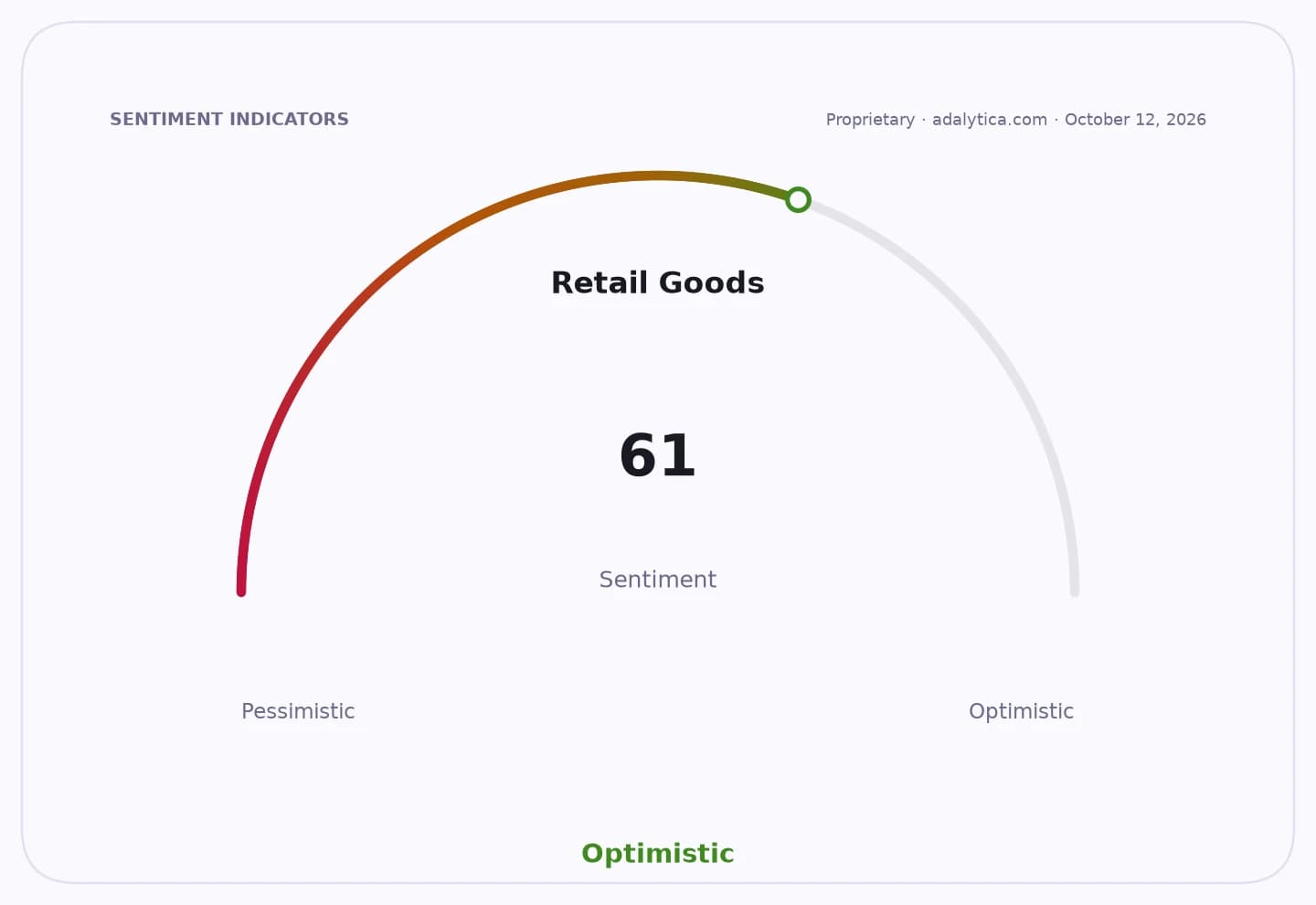
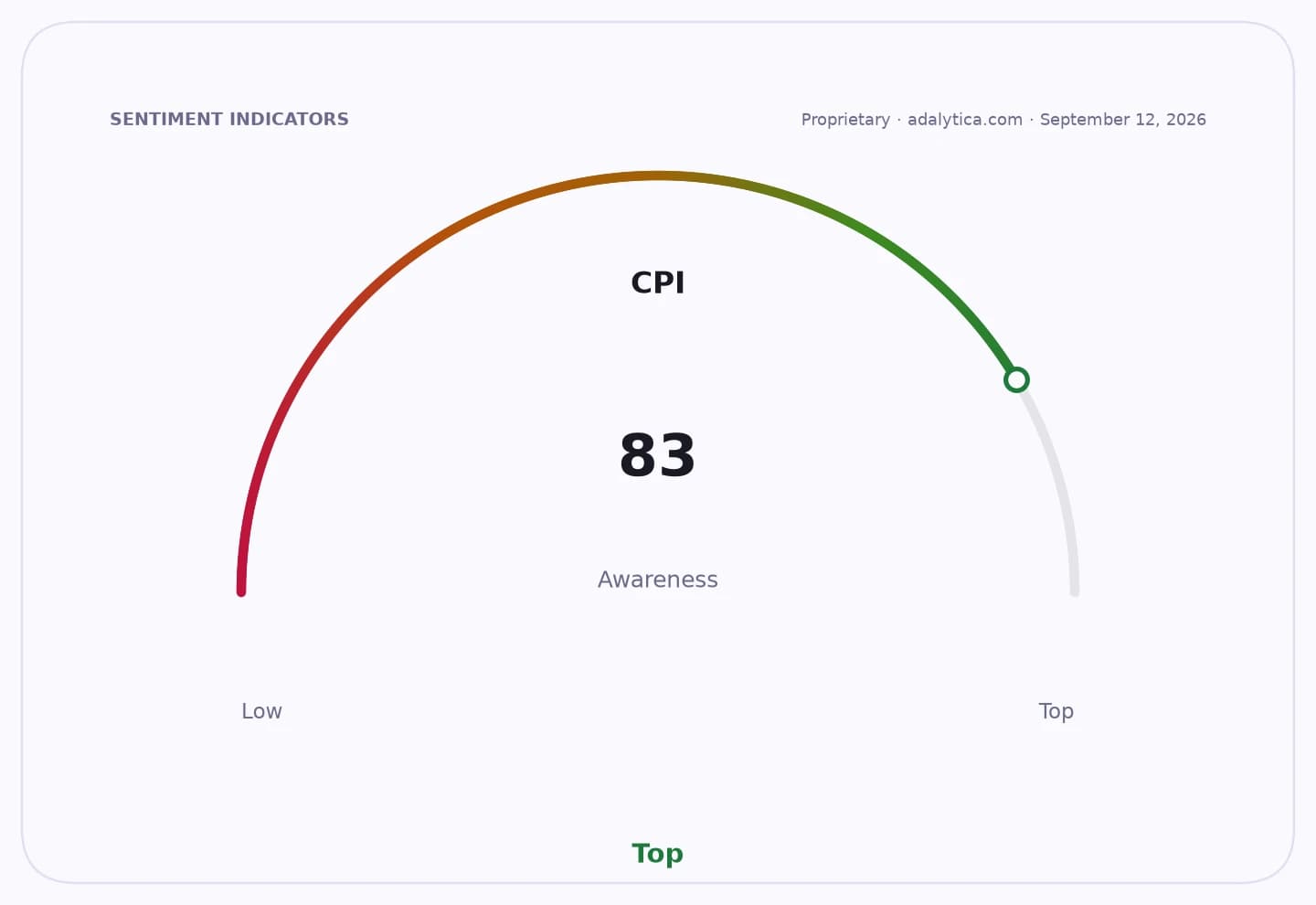
Sentiment IndicatorsⓘProprietary · adalytica.com · October 12, 2026
This is a snapshot — live sentiment, awareness and momentum for 130+ markets update continuously in the dashboard.Open AlphaPulse
For investors, that matters because business travel remains one of the clearest inflation pass-through channels in the services economy. Higher transport costs, pricier lodging and stronger demand for in-person meetings are keeping spending elevated even as some firms tighten budgets. The result is a sector that can keep growing revenue even when volume growth is modest, which is exactly the kind of backdrop that can reward pricing power and scale.
The rebound is also proving that video conferencing never fully displaced face-to-face dealmaking. Conferences, trade shows and internal off-sites are back above pre-pandemic levels, and the market is once again rewarding companies that sit on the toll roads of the travel economy: reservation platforms, hotel operators, airline networks and event infrastructure providers.
There are also clear geographic winners and losers. The U.S. and China account for nearly half of all business travel spending, but geopolitical frictions are redirecting part of the flow. Quebec is benefiting as some travelers and organizers steer away from the United States, while the Middle East is set to see business-travel volume fall 12.3% in 2026, according to the GBTA. That shifts demand toward perceived safe havens with strong convention capacity and favorable exchange rates, including Canada.
That is why this trend should not be read as a simple inflation story. It is an allocation story. Corporate travel dollars are concentrating in markets and operators that can capture premium pricing, provide differentiated experiences and absorb the next wave of demand. Quebec officials are already talking about expanding Montreal’s Palais des congrès, a sign that infrastructure is becoming the constraint, not demand.
The market underestimates how durable this cycle can be. If inflation stays sticky and geopolitics keep reshaping event locations, business travel will remain a powerful earnings tailwind for travel intermediaries, convention centers and selected hospitality names. The smarter trade is to own the infrastructure and booking layers that benefit every time corporate travel gets more expensive.
| Entity | Gains | Losses |
|---|---|---|
| Airlines and hotels | ▲Higher pricing power | ▼Cost-sensitive buyers |
| Travel-booking platforms | ▲More transaction revenue | ▼Firms cutting budgets |
| Quebec/Canada tourism | ▲Redirected conferences | ▼U.S. convention hubs |
| Middle East business travel | ▲— | ▼Lost event volume |