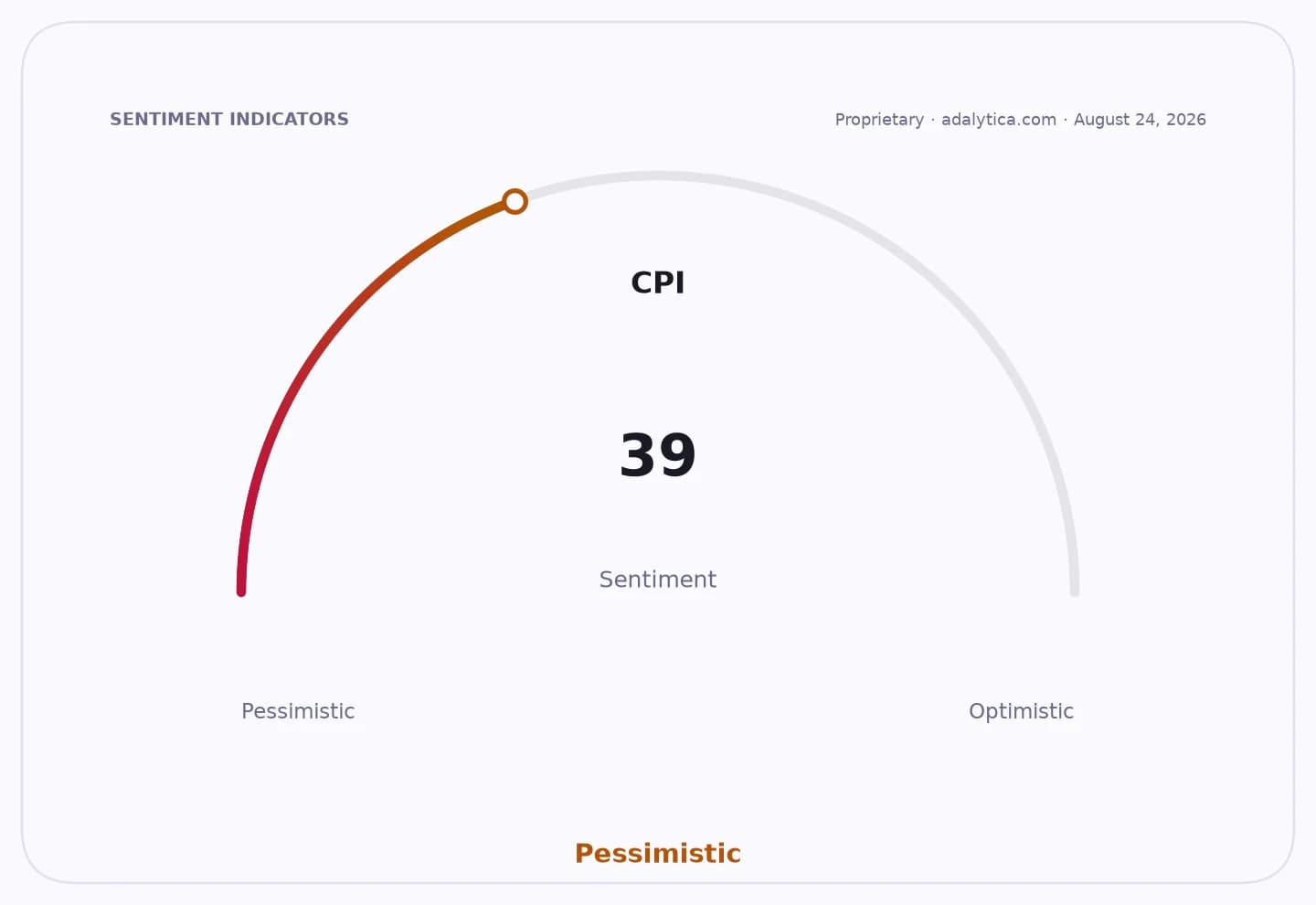
European travelers are still taking summer trips, but inflation is pushing more of them to buy down rather than stay home, shifting demand toward cheaper transport, accommodation and booking channels.
European travel trade-down favors low-cost operators
That matters because travel has proven more resilient than many economists expected, yet the mix of spending is changing in a way that favors low-cost operators and squeezes higher-margin incumbents. With consumer prices rising sharply across Europe and disposable income under pressure, households are preserving the holiday by trimming the parts of the journey they can control: where they sleep, how they get there and which services they book.
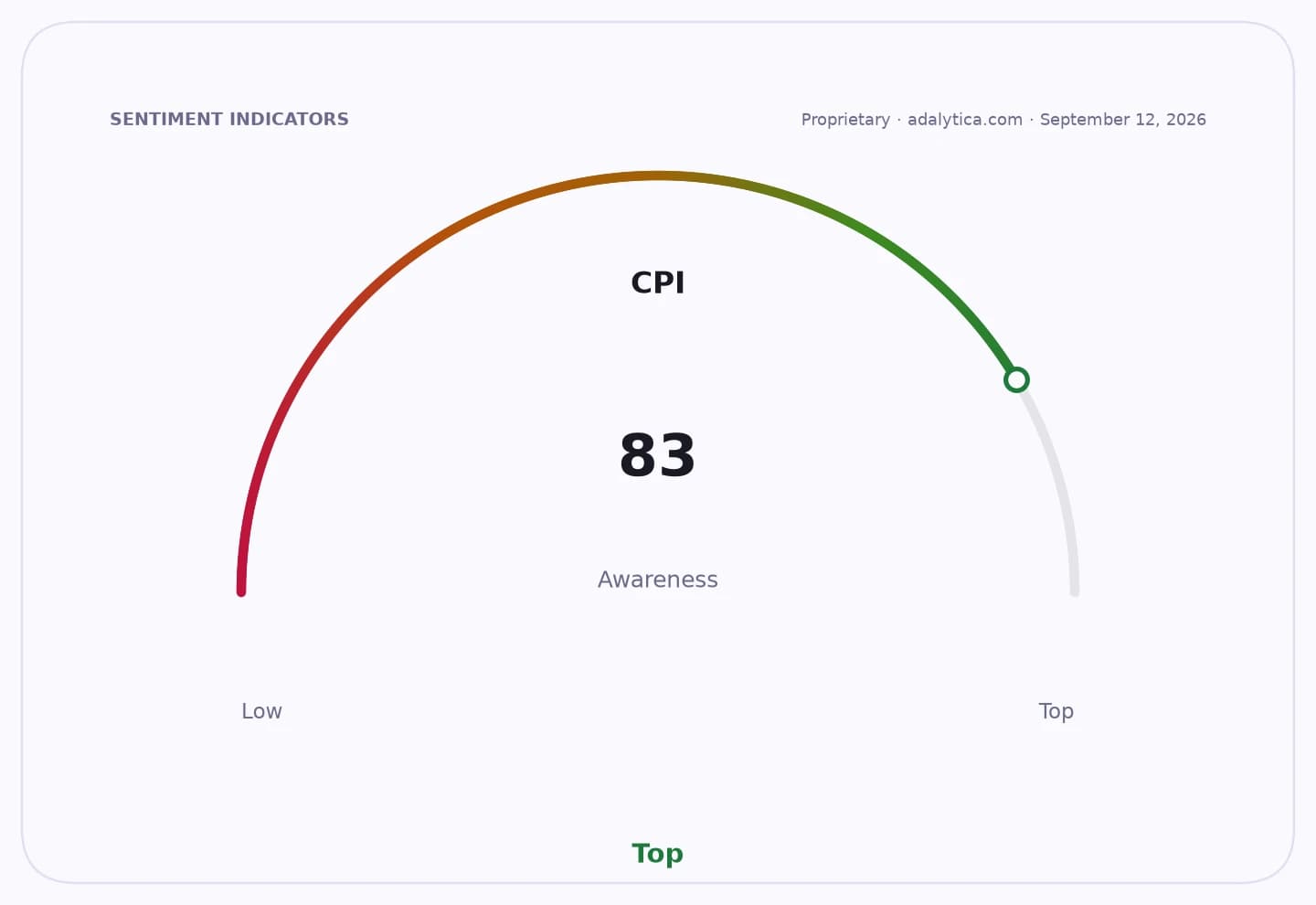
Sentiment IndicatorsⓘProprietary · adalytica.com · September 12, 2026
This is a snapshot — live sentiment, awareness and momentum for 130+ markets update continuously in the dashboard.Open AlphaPulse
The pattern is consistent with what airlines, online travel agencies and accommodation platforms have been signaling in recent filings and trading data. Booking Holdings said elevated flight prices, reduced capacity on some routes and weaker long-haul demand were still weighing on the region, while Expedia pointed to macro headwinds and reduced air capacity in Europe. That does not imply demand has broken. Instead, it suggests European consumers are still traveling, but are more selective and more value-conscious, which is a classic late-cycle response to inflation.
The evidence in the market is mixed. American Airlines, which has exposure to transatlantic demand, showed strong passenger revenue growth in its latest quarter, but its stock has since weakened and remains below its summer highs, reflecting concern that pricing power may not be durable if consumers keep trading down. Booking and Expedia have also seen sharp share-price swings, underscoring investor sensitivity to any sign that travel volumes are holding up only because customers are moving to cheaper products rather than spending more.
For the industry, that shift creates winners and losers. Budget hotels, alternative accommodations and carpooling platforms can gain share as travelers look for lower-cost substitutes. Airbnb-style inventory may benefit if hosts discount to keep occupancy high, while ride-sharing and low-cost transport services can capture price-sensitive cross-border and medium-distance demand. Midscale and premium hotels, higher-fare airlines and package operators face the harder task: they may keep volume, but at the cost of lower yields and weaker margins.
The broader macro story is that inflation is not killing European travel demand so much as reorganizing it. Consumers are unwilling to give up the holiday, but they are becoming more disciplined about how they fund it. That should support traffic for the sector this summer, while extending the recovery timeline for companies that rely on affluent discretionary spend or premium routing.
Investors will be watching whether the trade-down trend becomes temporary holiday-season behavior or a more persistent response to eroding real incomes. If inflation stays sticky, the market will likely keep rewarding low-cost travel models and punishing businesses exposed to high-ticket discretionary spend.
| Entity | Gains | Losses |
|---|---|---|
| Budget airlines / low-cost travel | ▲More price-sensitive demand | ▼Premium carriers lose mix |
| Airbnb and cheap lodging | ▲Higher occupancy, more trade-down | ▼Midscale hotels face pricing pressure |
| Ride-sharing / carpooling apps | ▲Greater demand for cheaper transport | ▼Traditional long-distance transport |
| Travel incumbents reliant on premium spend | ▲Volume resilience | ▼Margins and yields |