China’s National Day film slate has disappointed badly enough that one Hong Kong-made action thriller has been pulled from cinemas after just five days, underscoring how soft consumer demand and a lack of breakout titles are weighing on the world’s second-largest movie market.
China box office weakens during National Day holiday

The withdrawal of China Station from mainland release after grossing only about 4.43 million yuan highlights a broader problem for China’s box office: audiences are not showing up in the volumes needed to justify the flood of holiday releases, especially for mid-budget local productions without strong word of mouth. The film’s removal after a short run points to a market where commercial risk is rising and distributors are becoming more willing to cut losses quickly.
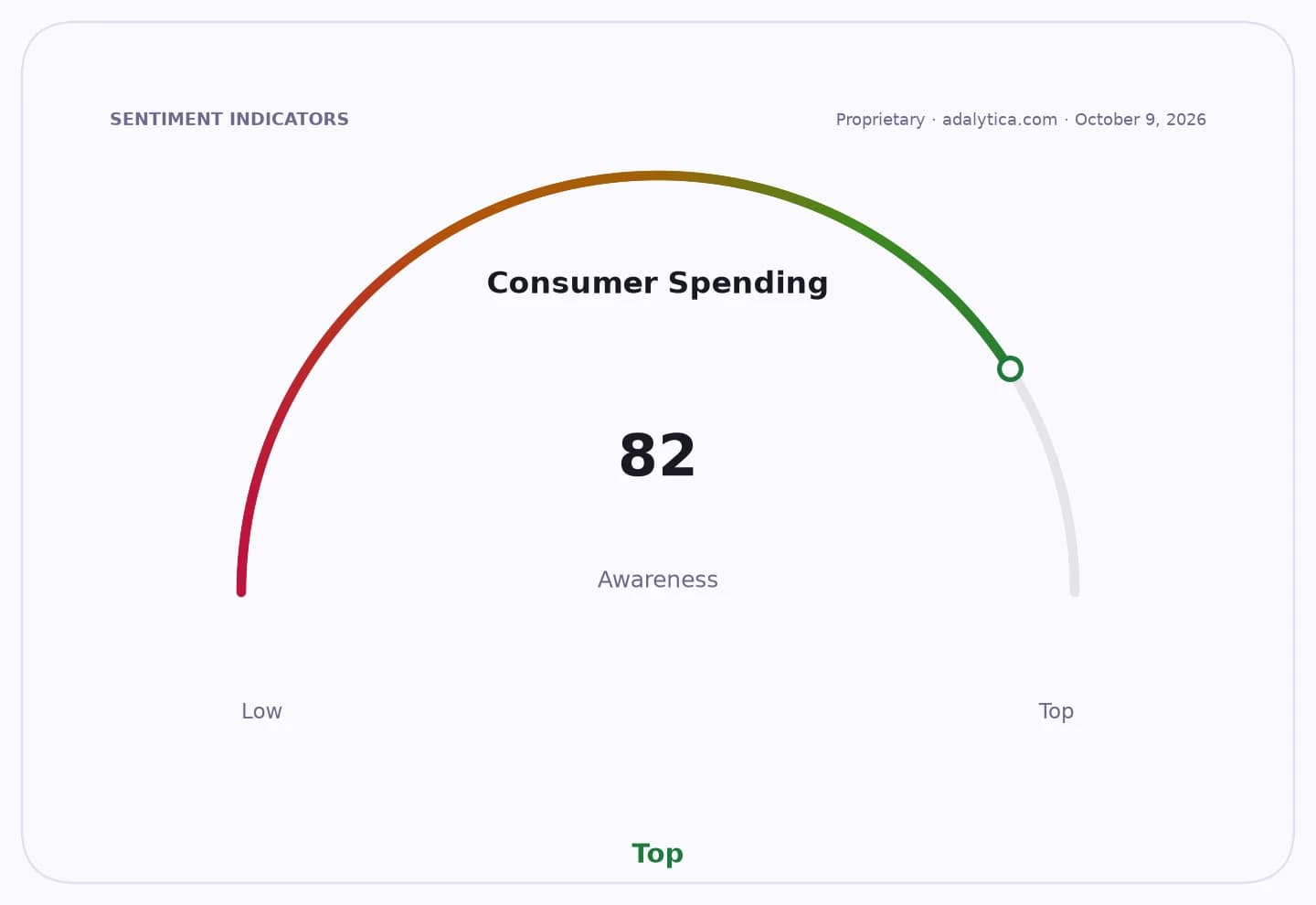
Sentiment IndicatorsⓘProprietary · adalytica.com · October 6, 2026
This is a snapshot — live sentiment, awareness and momentum for 130+ markets update continuously in the dashboard.Open AlphaPulse
That matters economically because the National Day “golden week” is normally one of the most lucrative periods for Chinese exhibitors, studios and cinemas. This year’s opening-day takings of roughly 176 million yuan were about 45% lower than a year earlier and the weakest for the holiday in five years, suggesting the consumer discretionary squeeze is still visible even in event-driven entertainment spending. When a major holiday frame underperforms, the impact ripples through production financing, cinema chain revenues and advertising demand tied to theatrical releases.
The broader lineup has also struggled to produce a clear tentpole. While The Trail of the Detective has led the holiday box office with about 331 million yuan in five days and What Do You Mean Couple has taken in about 192 million yuan, the market is still missing the kind of phenomenon film that can lift the entire box office. Instead, the slate has been dominated by smaller- and mid-scale titles competing for a shrinking pool of viewers.
For investors, the message is twofold. First, the theatrical recovery in China remains uneven, which is a negative for cinema operators, film distributors and producers that depend on volume and holiday concentration. Second, the disappointment adds to evidence that Chinese households remain selective with entertainment spending, even as policy makers try to support consumption more broadly. In equity markets, that keeps pressure on consumer-discretionary names linked to media and leisure, while reinforcing caution toward companies exposed to box office volatility.
The撤档, or pullback, also signals how quickly film economics can deteriorate when early audience response is poor. Local media reported that China Station may have cost more than 100 million yuan to make, which would leave a substantial loss if the mainland run cannot be revived. The Hong Kong release, due on Oct. 8, may offer some recovery, but the city’s much smaller market is unlikely to offset a weak mainland performance on its own.
The clearest narrative is that China’s holiday box office is no longer guaranteed to rescue mediocre films, and the industry is being forced to confront slower consumer traffic, tougher audience standards and thinner margins. Unless a true breakout title emerges, exhibitors and studios may face a more conservative financing environment heading into the rest of the quarter.
| Entity | Gains | Losses |
|---|---|---|
| Top-grossing holiday films | ▲Higher audience share | ▼Smaller rivals |
| Cinema chains with stronger slates | ▲Better occupancy | ▼Weakly marketed venues |
| Studios with breakout titles | ▲Revenue upside | ▼Mid-budget productions |
| Consumers / moviegoers | ▲More selective choices | ▼Fewer must-see films |