Chinese couples are increasingly spending thousands of yuan to turn their weddings into short, scripted films, a niche service that is emerging as one of the few bright spots in an otherwise weakening marriage market.
China wedding studios sell scripted short films
The trend matters economically because it shows how China’s young consumers are still willing to pay for highly personalized, experience-led spending even as they delay or avoid marriage altogether. That creates a small but fast-growing pool of demand for wedding studios, costume makers, makeup artists, location managers and other service providers tied to the event economy, while also highlighting how consumer tastes are shifting toward content that is made for social media and mobile screens.
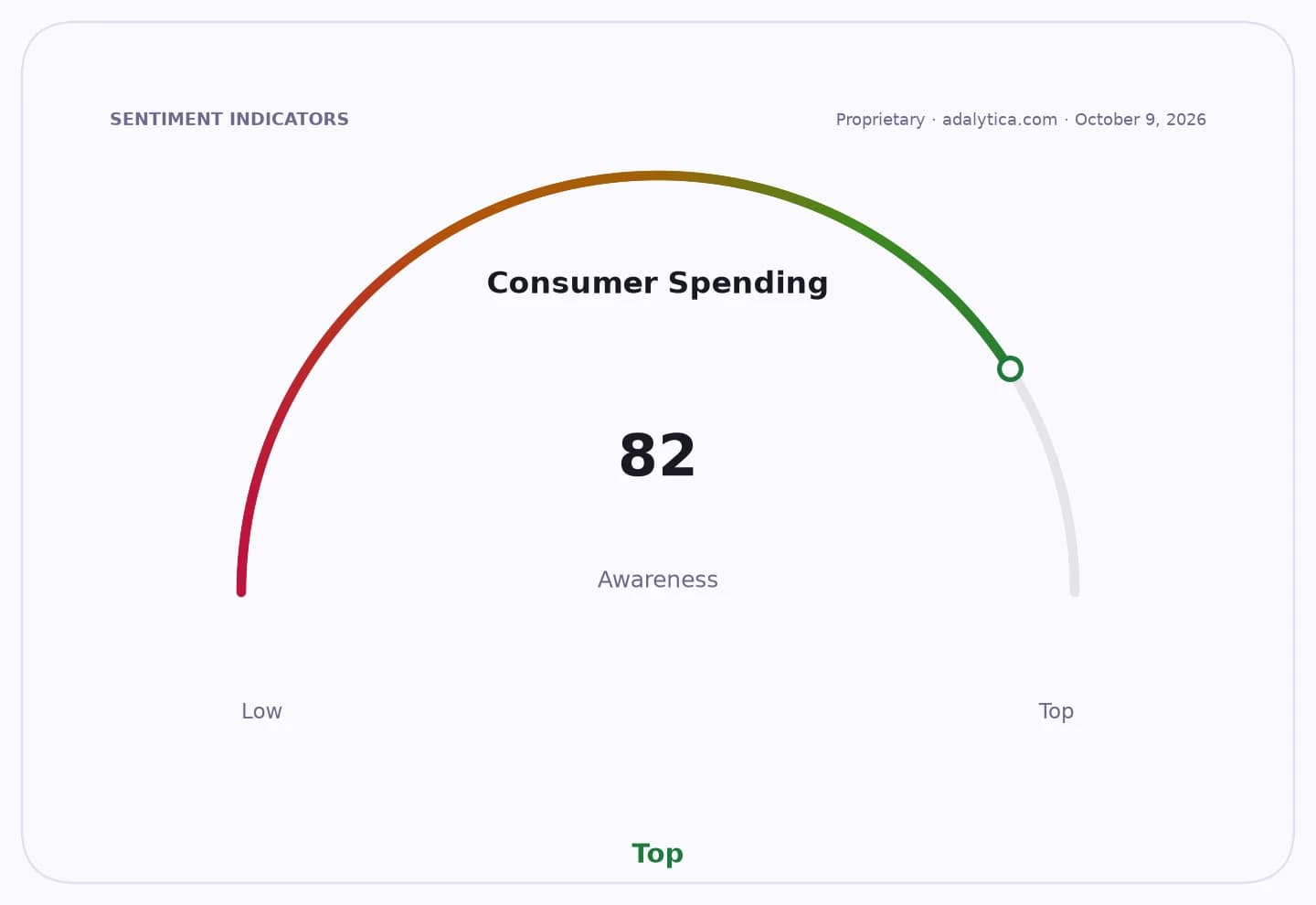
Sentiment IndicatorsⓘProprietary · adalytica.com · October 9, 2026
This is a snapshot — live sentiment, awareness and momentum for 130+ markets update continuously in the dashboard.Open AlphaPulse
For investors, the story is less about a single wedding-service niche than about what it says on the ground in Chinese discretionary spending. Couples are paying around 12,000 yuan for packages that include custom scripts, costumes, professional crews and short videos, with more elaborate “three lives, three worlds” productions costing up to 16,000 yuan and multi-life formats reaching nearly twice that. That is well above the 5,000 to 8,000 yuan many couples used to spend on traditional wedding photography, suggesting some consumers are willing to trade up for differentiated experiences even in a sluggish broader consumption backdrop.
The appeal is being amplified by China’s microdrama boom, where short-form cinematic storytelling has become a mainstream habit, especially among Gen Z. Studios are now using that production know-how for weddings, building a new service category around a generation that grew up on vertical video, online fandom and highly stylized historical aesthetics. The result is a business model that sells not just the final clip, but the production experience itself — a point that helps explain why customers are paying for on-set rituals, costumes and bespoke narratives that cannot be replicated by AI alone.
That combination of cultural trend and commercial demand is arriving against a difficult demographic backdrop. China registered 6.1 million marriages in 2024, down 20.5% from a year earlier, and early 2026 data point to another decline after a brief rebound in 2025. Fewer weddings mean a smaller overall addressable market, but also more competition among studios as they try to capture higher spend from the couples that do marry. For the industry, that can support pricing power in premium packages even as volume remains structurally pressured.
The sector also reflects a broader reordering of marriage itself. Studios say couples increasingly want individualized ceremonies and self-defined milestones rather than family-directed rites, a shift that favors bespoke products over standard services. That plays into wider consumer themes in China, including hanfu fashion, historical tourism and social-media-driven display spending, all of which reward businesses that can package identity and entertainment into a marketable experience.
The bull case is that this is a durable premium niche with export potential across Chinese-speaking markets such as Singapore, Malaysia and Taiwan, where studios can replicate the model for customers attracted to the same cinematic aesthetics. The bear case is that the market is still small, highly trend-dependent and exposed to both a slowdown in wedding formations and the longer-term threat that AI-generated video could cheapen production or compress margins.
For now, though, the real investment signal is that even in a weaker marriage market, Chinese consumers will still spend on emotionally resonant, highly shareable experiences. The studios that can combine production quality, customization and social-media virality may keep finding demand, but the category’s long-term value will depend on whether it can move from fashion trend to repeatable consumer habit.
| Entity | Gains | Losses |
|---|---|---|
| Wedding video studios | ▲Higher-ticket packages | ▼AI substitution risk |
| Couples seeking bespoke weddings | ▲Personalized experiences | ▼Higher upfront costs |
| Traditional wedding photographers | ▲Limited benefit | ▼Share loss to cinematic formats |
| China’s marriage market | ▲Social buzz | ▼Lower overall wedding volumes |