AI-generated short films are reshaping China’s screen industry, slashing production times and costs while creating new demand for hybrid creative roles that can turn prompts into finished video.
China AI short films cut costs, lift new film jobs
The clearest economic impact is on labor and budgets. AI tools are cutting some production cycles from months to days, with CCTV saying hiring for AI video editors jumped 179% in June and some studios now produce nearly 100 AI short films a month, up from just a handful.
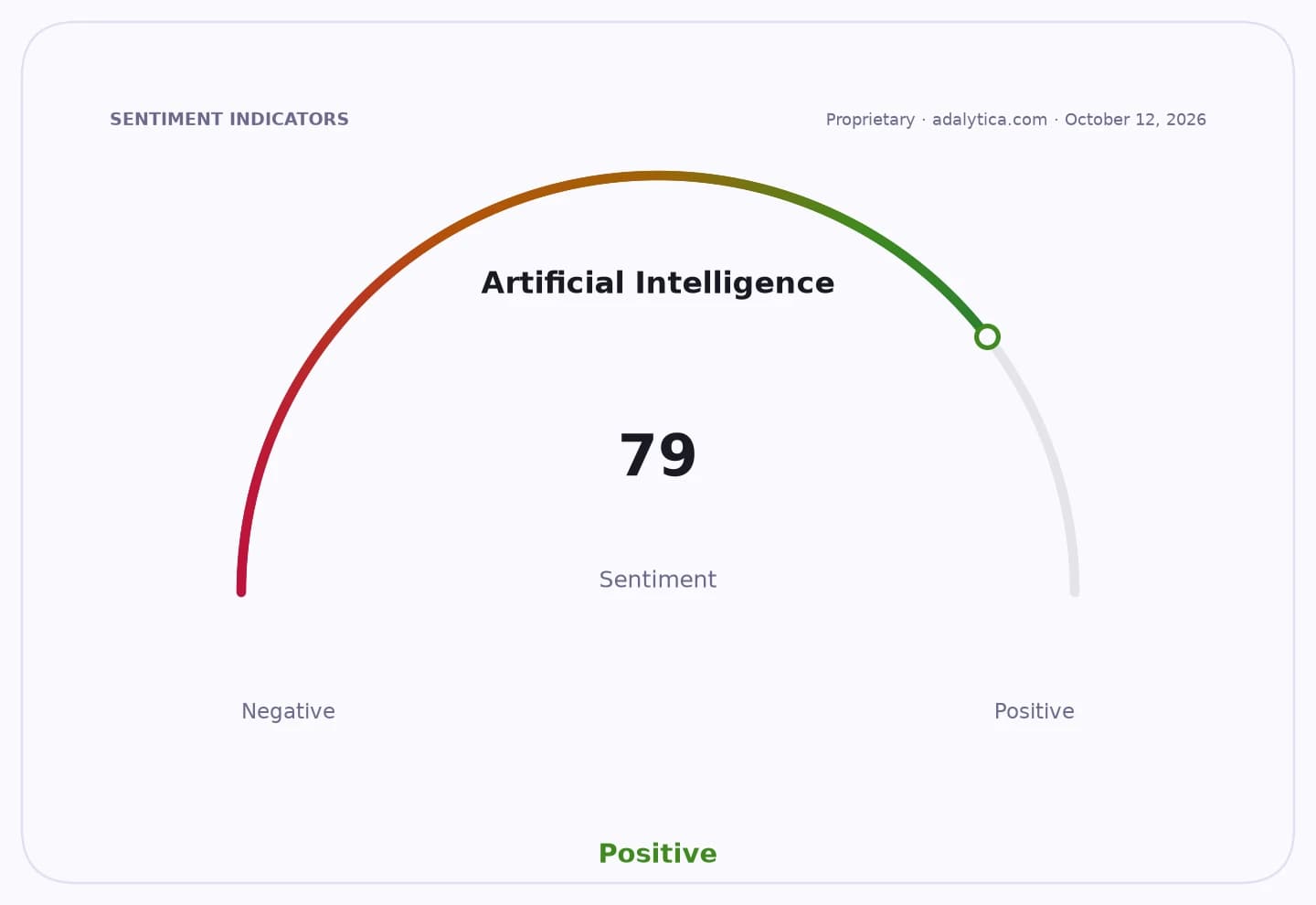
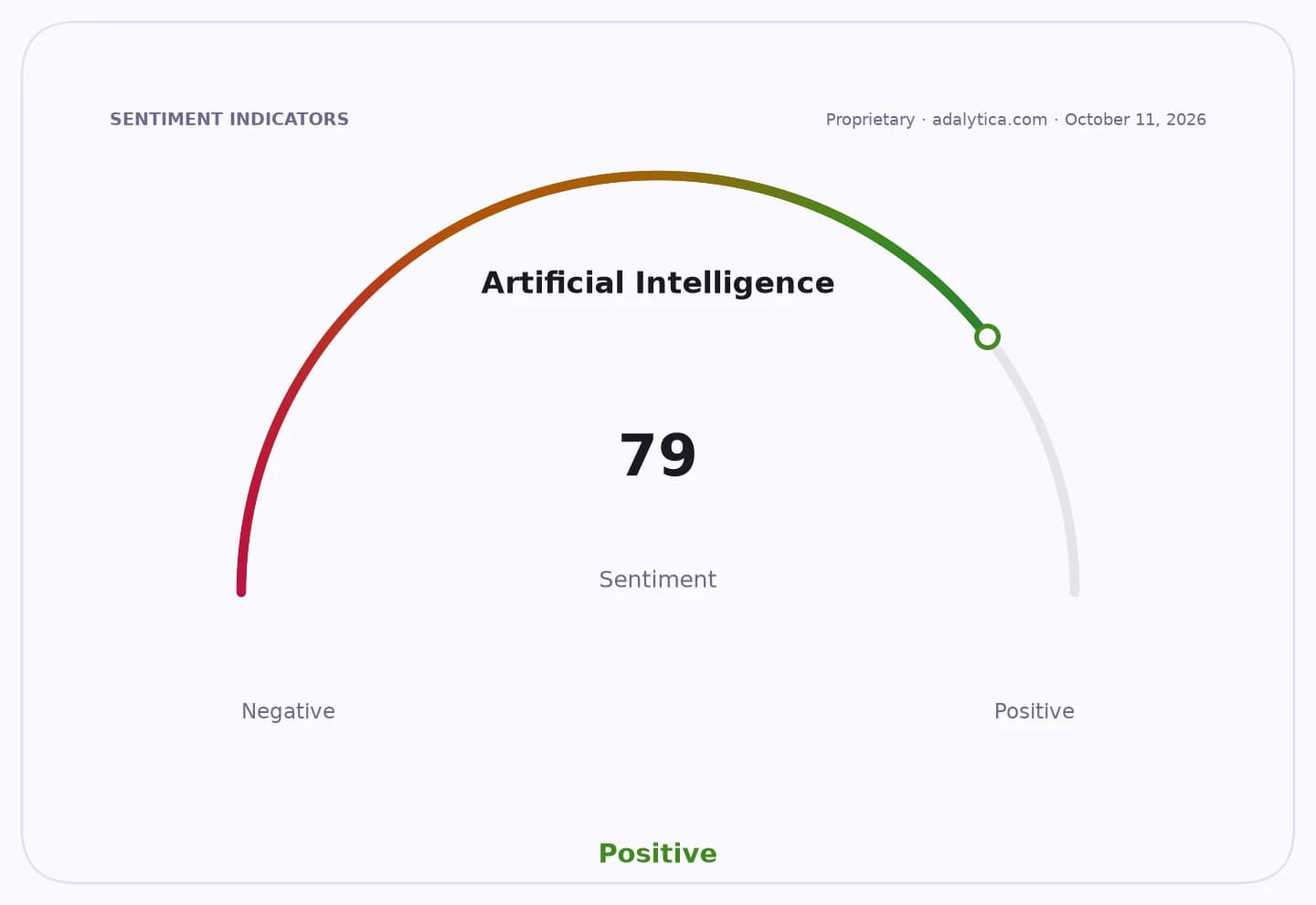
Sentiment IndicatorsⓘProprietary · adalytica.com · October 11, 2026
This is a snapshot — live sentiment, awareness and momentum for 130+ markets update continuously in the dashboard.Open AlphaPulse
That shift is pulling workers from design, animation, digital media and IT into jobs that did not exist a year ago, according to recruitment platform Zhaopin. AI-related film roles now pay roughly 8,000 to 20,000 yuan a month, or about $1,180 to $2,950, as studios pay up for people who can write scripts, generate visuals and manage prompts.
ByteDance has helped accelerate the trend. The TikTok owner’s Seedance 2.0 video model can generate increasingly polished clips for about 1 yuan per second, and its Hongguo short-video platform has started trimming guaranteed funding for some mid-sized and smaller live-action projects.
That matters for investors because lower production costs can expand margins and increase content volume, but it also pressures traditional production crews, live-action suppliers and the broader ecosystem built around on-set filming, post-production and extras. One Beijing-linked producer said AI cut the cost of a film from 300,000 yuan to 50,000 yuan, highlighting how fast economics are changing.
For platforms and studios, the bigger narrative is not just automation but a reallocation of creative spending. A small team can now handle scripting, storyboards, visuals and editing, which favors companies that own distribution, models and data rather than those dependent on labor-intensive production.
The pullback in live-action financing suggests the disruption is already flowing through to weaker projects, while AI content continues to gain audience traction. China had 851 million viewers of ultrashort dramas by May, giving studios a large built-in market for mobile-first content.
For U.S.-listed names with China exposure, including Bilibili, Baidu and Tencent, the broader theme is rising demand for AI creation tools and video infrastructure, even as authorities step up oversight of AI-generated and short-form content online. The next catalyst is whether regulators tighten rules around authenticity and licensing, which could slow some of the surge even as demand for AI film talent keeps rising.
| Entity | Gains | Losses |
|---|---|---|
| AI studios and toolmakers | ▲Faster output, lower costs | ▼Regulatory scrutiny |
| AI-skilled workers | ▲New high-demand jobs | ▼Traditional single-skill crews |
| ByteDance | ▲Cheaper content pipeline | ▼Live-action funding spend |
| Live-action production firms | ▲— | ▼Budget cuts, weaker demand |