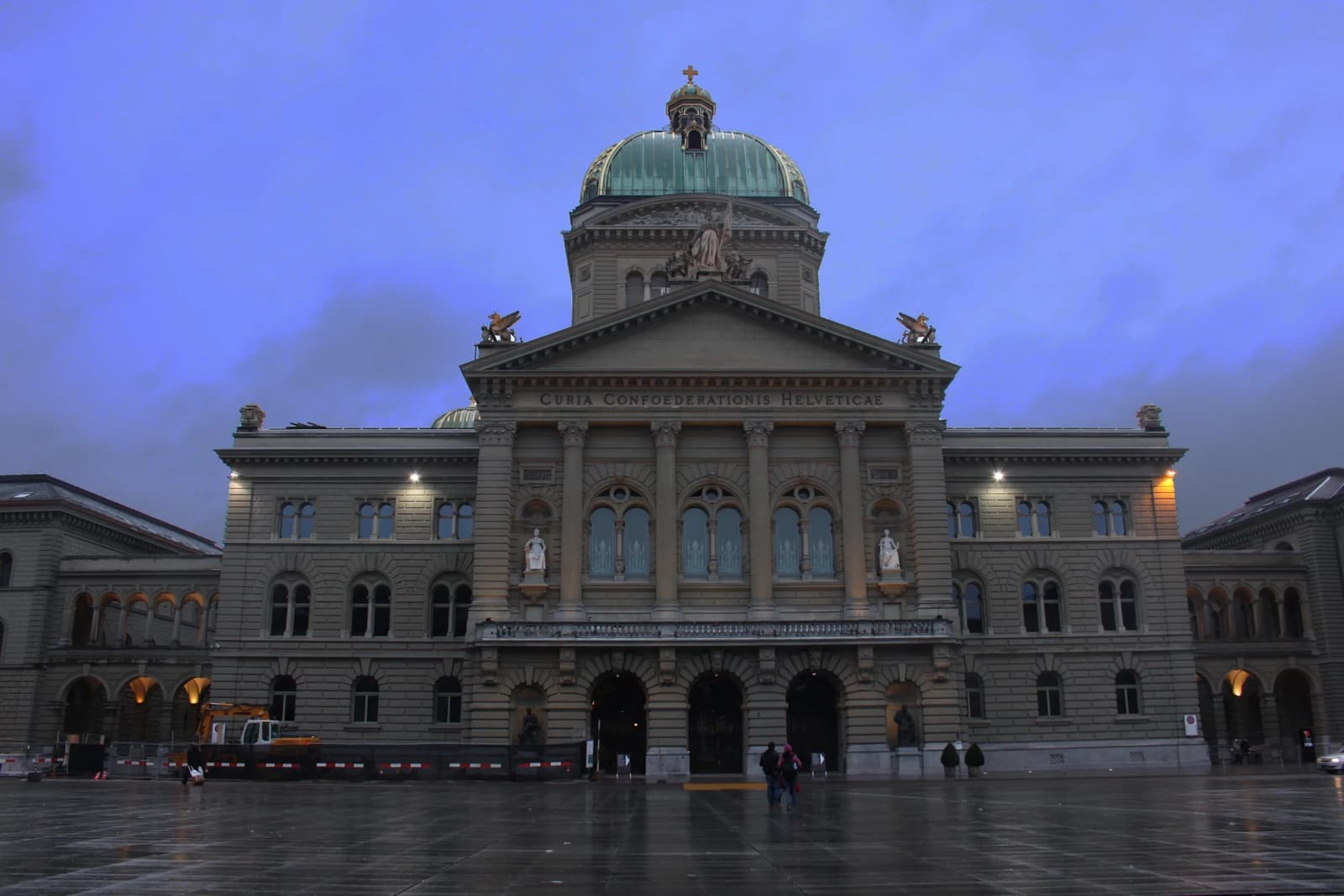
Getty Images is moving to capture demand for generative AI in the creative industry with a new image generator built on its own library and designed to avoid copyright risk — a pitch that could help the company turn its content archive into a higher-value licensing business while easing brands’ legal concerns.
Getty Images launches AI image generator
The platform, called Generative AI, uses NVIDIA’s Picasso model and is trained exclusively on Getty’s media collection, according to the company. Getty says the tool is commercially safe, blocks inappropriate outputs and lets users not only create but also license and download images with a warranty attached to each download.
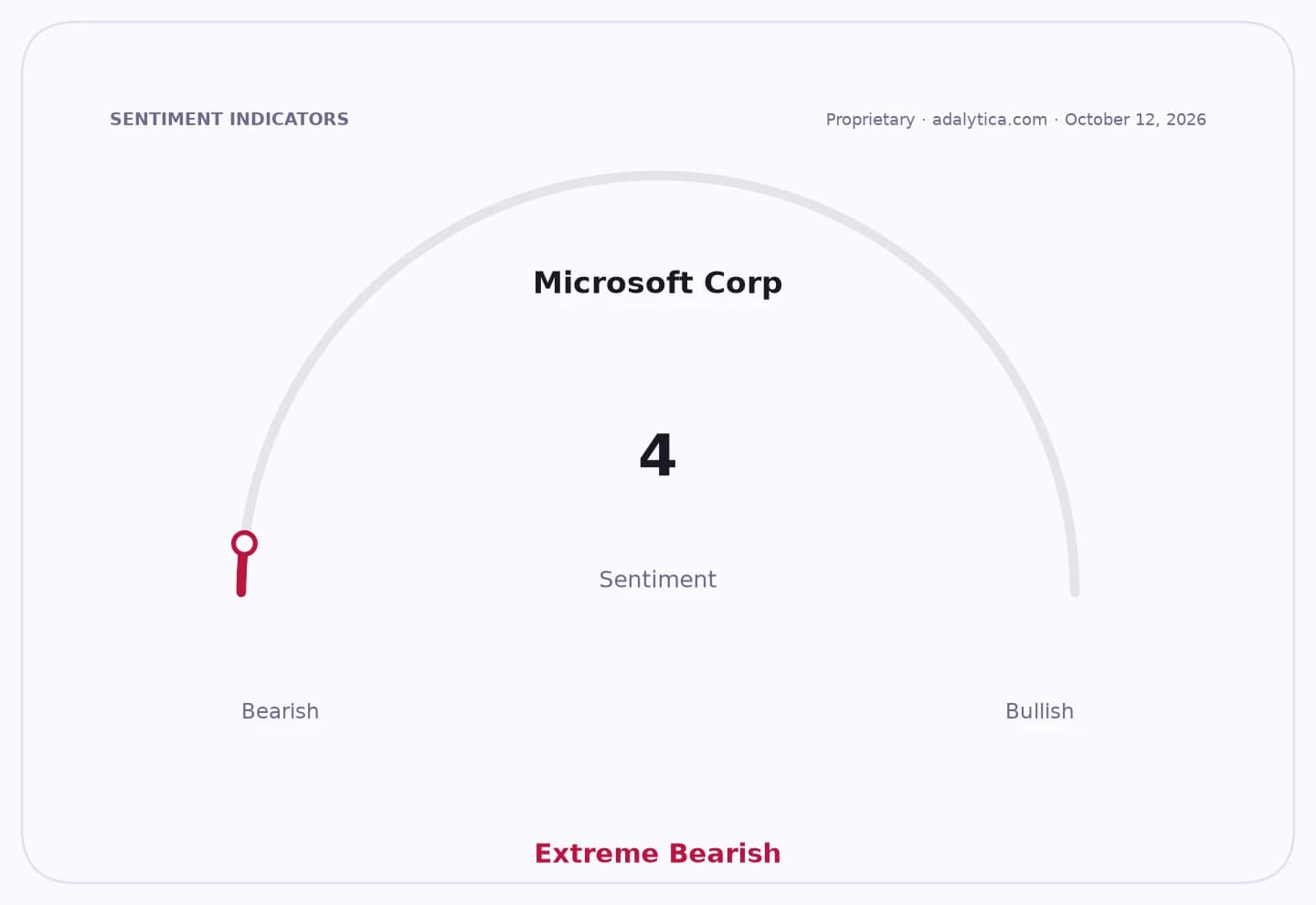
Sentiment IndicatorsⓘProprietary · adalytica.com · October 12, 2026
This is a snapshot — live sentiment, awareness and momentum for 130+ markets update continuously in the dashboard.Open AlphaPulse
That matters because one of the biggest brakes on corporate AI adoption in marketing and media has been legal uncertainty around ownership, training data and downstream use. Getty is trying to position itself as a supplier of “safe” synthetic content at a time when rivals and customers are under pressure to prove that AI-generated visuals do not expose them to infringement claims.
The move also expands Getty’s competition with broader creative-software players as the industry shifts toward AI-assisted production. Adobe has been building out first-party and partner AI models with an emphasis on commercially safe tools, while Google recently launched SynthID Detector to help identify synthetic media, underscoring how quickly provenance and authenticity are becoming selling points in the AI stack.
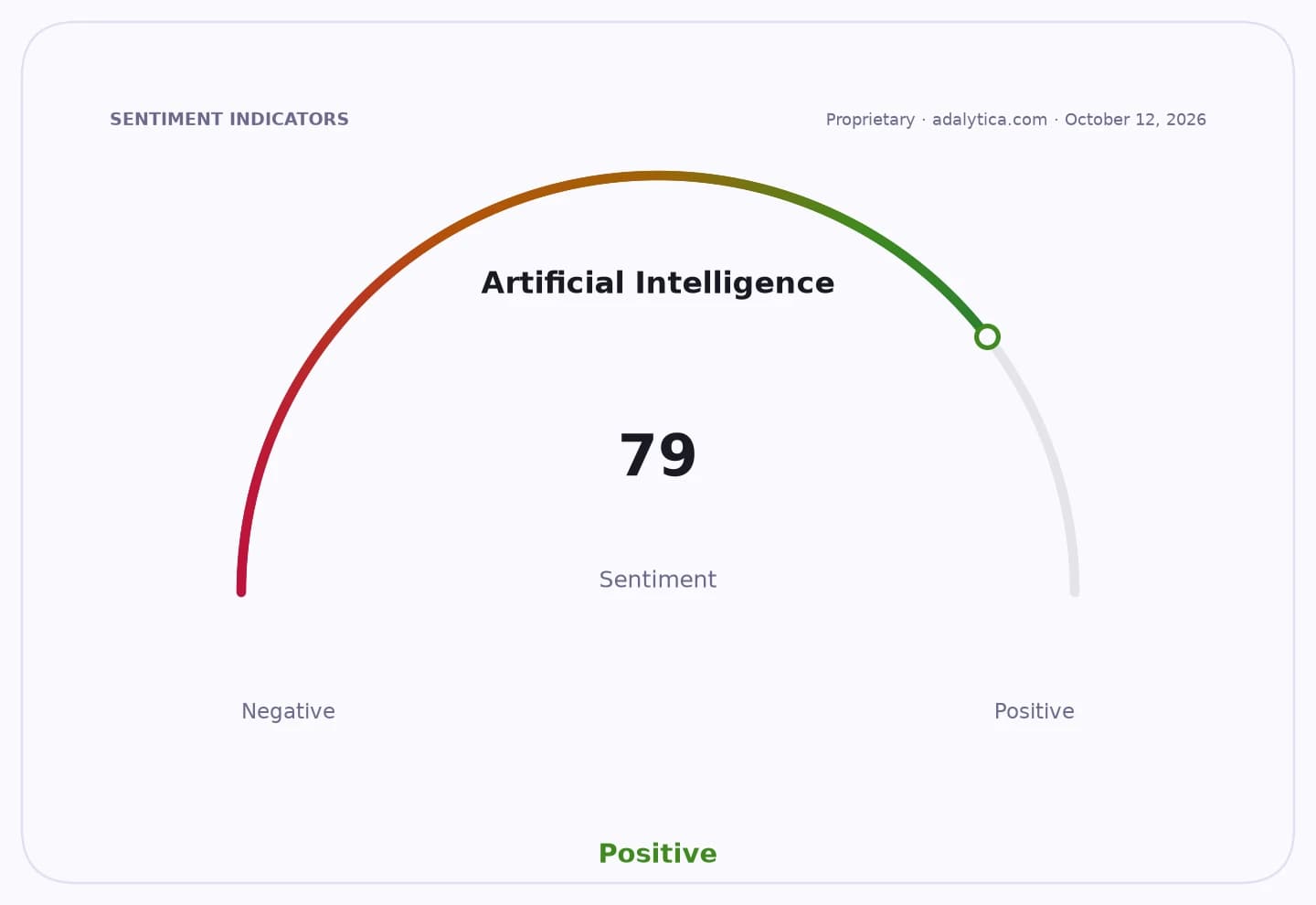
Artificial Intelligence — 30-day sentimentadalytica.com
Explore this data interactively — full history, time series and cross-market comparisons.Open AlphaPulse
For Getty, the launch is as much about monetization as technology. By keeping the output tied to its own licensed archive and saying the generated content will not be added back into the library for resale, the company is trying to preserve the value of its core assets while creating a new product line for advertisers, agencies and brands that want faster production without legal exposure.
The stock has been under heavy pressure, with Getty shares last changing hands around 5 cents, versus about 24 cents for Adobe and more than $535 for Microsoft. The gap reflects very different scale and balance-sheet strength, but it also shows how little room Getty has for a misstep as it seeks to reinvent its revenue mix around AI.
Investors will be watching whether the service can translate interest into paid usage and whether Getty can use its content rights and distribution relationships to win a defensible niche in enterprise AI. The next catalyst is likely to be customer adoption, along with any update from Getty on how the new product affects licensing demand and margins.
| Entity | Gains | Losses |
|---|---|---|
| Getty Images | ▲New AI licensing revenue | ▼Legacy-only content model |
| Brands and agencies | ▲Safer AI image production | ▼Copyright uncertainty |
| Adobe | ▲Validation of commercial-safe AI | ▼Pressure to defend creative moat |
| Open generative AI rivals | ▲Broader market education | ▼Limited trust from enterprise buyers |