iQIYI is betting that AI video creation can become a new growth lever as it launches a global creator challenge built around Alibaba’s Wan3.0 model and its NadouPro platform, underscoring how Chinese media companies are moving to own the next wave of content tools rather than just distribute finished video.
iQIYI Launches AI Video Creator Challenge
The contest is designed to recruit and showcase creators using professional-grade AI filmmaking tools, with submissions open Sept. 10 to Sept. 23 and judging set for Sept. 24 to Sept. 30. iQIYI said the challenge will award 156 winners across three categories and distribute a prize pool of more than $10,000, a modest sum that nevertheless gives the company a low-cost way to seed usage, build creator loyalty and promote its AI production stack.
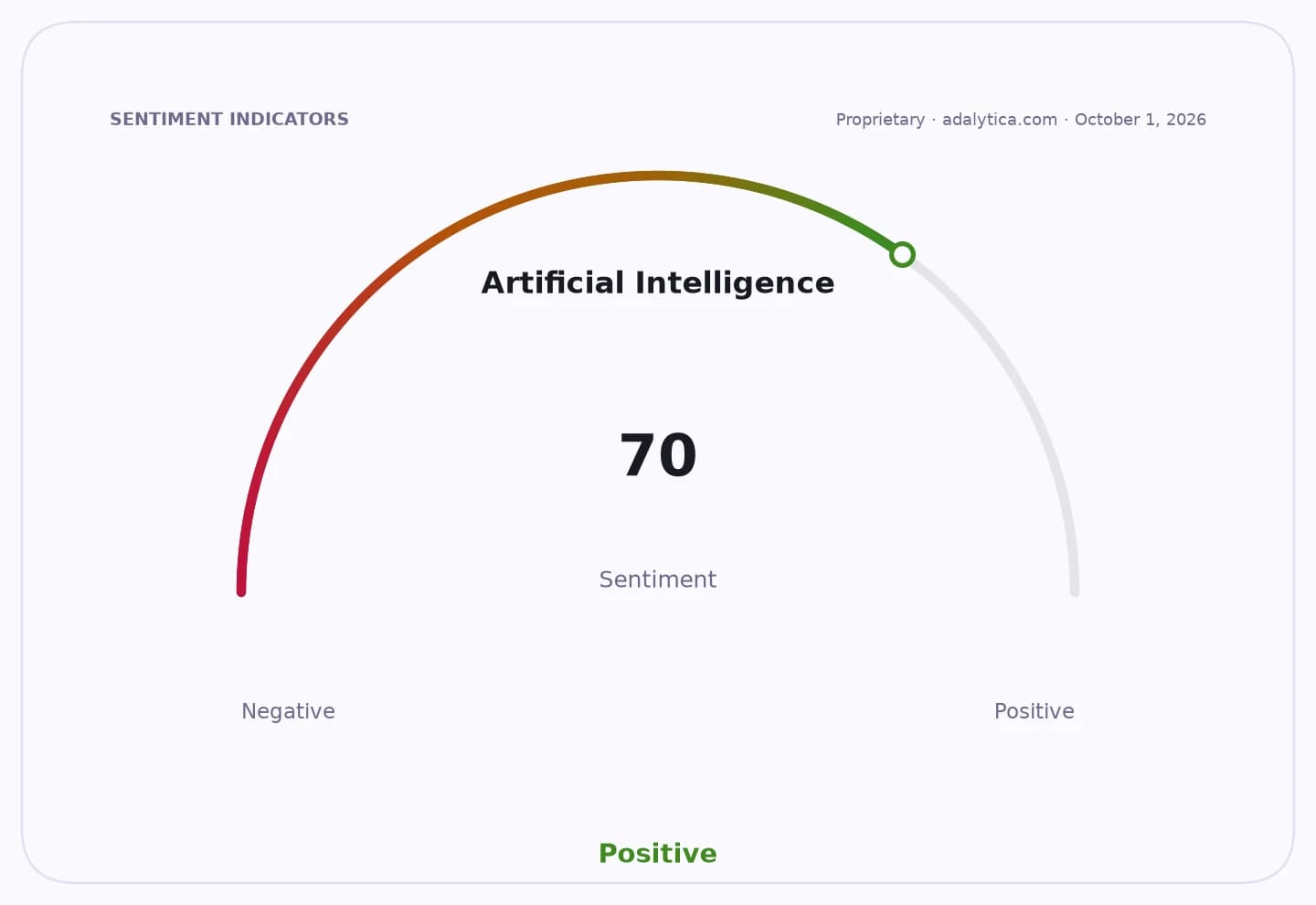
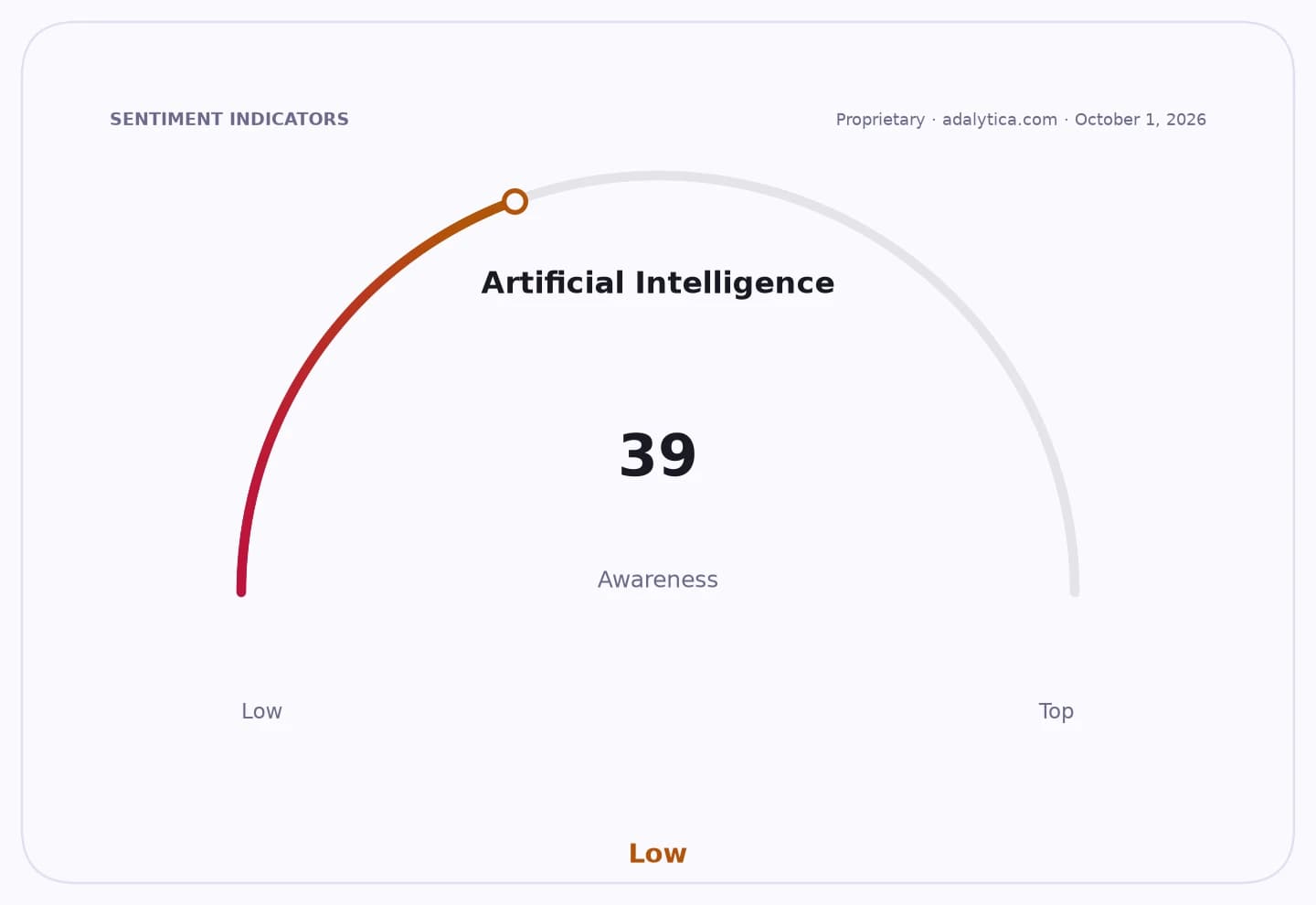
Sentiment IndicatorsⓘProprietary · adalytica.com · September 29, 2026
This is a snapshot — live sentiment, awareness and momentum for 130+ markets update continuously in the dashboard.Open AlphaPulse
For investors, the bigger point is strategic: iQIYI is trying to turn AI into product differentiation in a streaming market still defined by intense competition and weak pricing power. By tying the challenge to Alibaba’s Wan3.0, iQIYI is also signaling closer alignment with one of China’s most important AI ecosystems, which could help it attract developers, creators and international users without having to build every model in-house.
The company said the international version of NadouPro now supports English, Korean, Thai and Arabic, with users in more than 20 countries and regions. That suggests iQIYI is not treating this as a niche domestic marketing stunt, but as part of a broader push to globalize a creator workflow that runs from script and storyboarding to final video output.
The platform updates go beyond the contest. iQIYI is rolling out tools including a 3D Directing Studio, new panorama and multi-angle generation features, and a planned Canvas Agent that will automate creative planning and node-linking from a single prompt. Those additions point to a race across the media sector to make AI production faster and cheaper, while also raising questions about originality, rights management and the future role of human talent.
The stock market has not yet priced in any clear AI monetization story. iQIYI shares closed at 99 cents on Sept. 29, below the 50-day moving average of $1.11 and the 200-day average of $1.37, with recent trading still showing a weak longer-term trend despite a recent bounce in volume. Alibaba shares closed at $107.74, also below their 50-day average of $117.43 and 200-day average of $130.84, even as Adalytica’s Alibaba Earnings Sentiment gauge showed “Extreme Greed,” reflecting elevated attention around the name.
The backdrop is a broader industry debate over how far AI should go in creative work. OpenAI’s recent mishandling of user images has added to concerns about privacy and content governance, while the Chinese short-film market is already seeing tension over AI actors and displaced human performers. That makes iQIYI’s push potentially useful for efficiency and scale, but also exposed to regulatory, copyright and reputational risks if AI-generated content draws backlash.
The next catalyst will be whether the challenge produces standout content that can be turned into repeat usage, higher engagement or commercial partnerships. If it does, iQIYI and Alibaba could have an early blueprint for monetizing AI filmmaking beyond promotional campaigns; if it doesn’t, the launch risks becoming another low-cost experiment in a sector still searching for durable AI revenue.
| Entity | Gains | Losses |
|---|---|---|
| iQIYI | ▲Creator engagement | ▼Short-term marketing cost |
| Alibaba Wan3.0 | ▲Model adoption | ▼Exposure if output disappoints |
| AI creators | ▲New tools and visibility | ▼Traditional video workflows |
| Human filmmakers | ▲Faster production tools | ▼Greater AI competition |