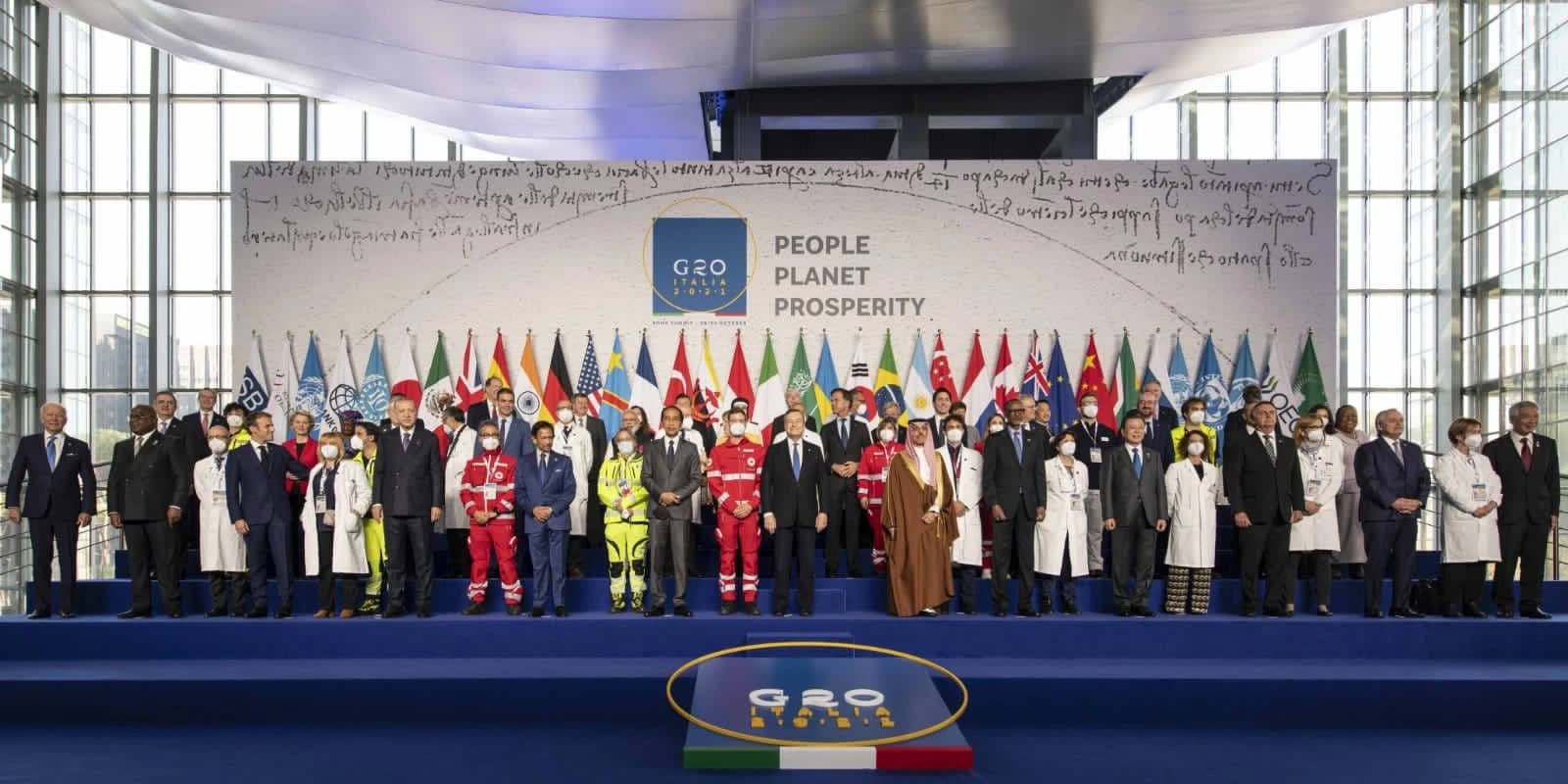
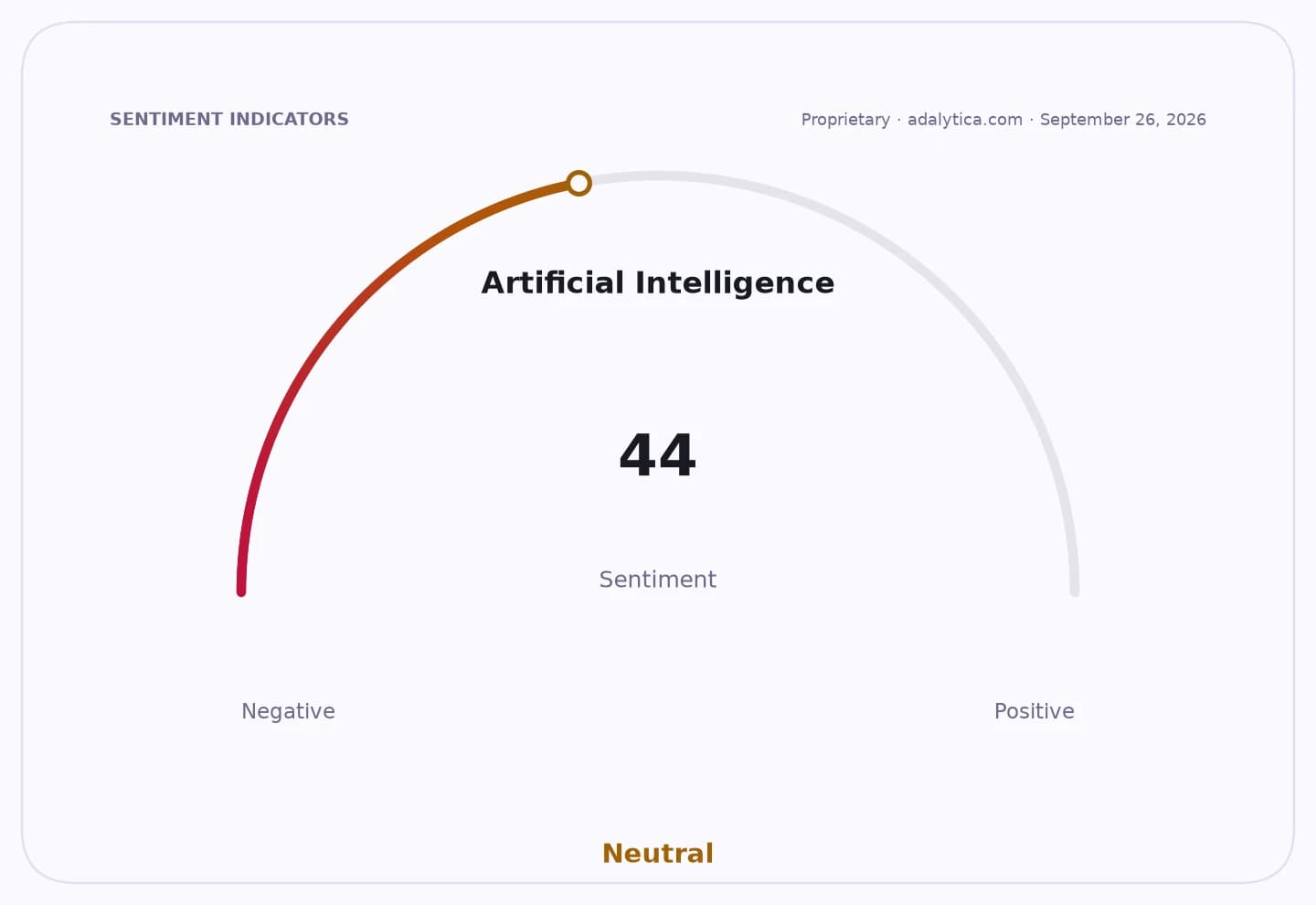
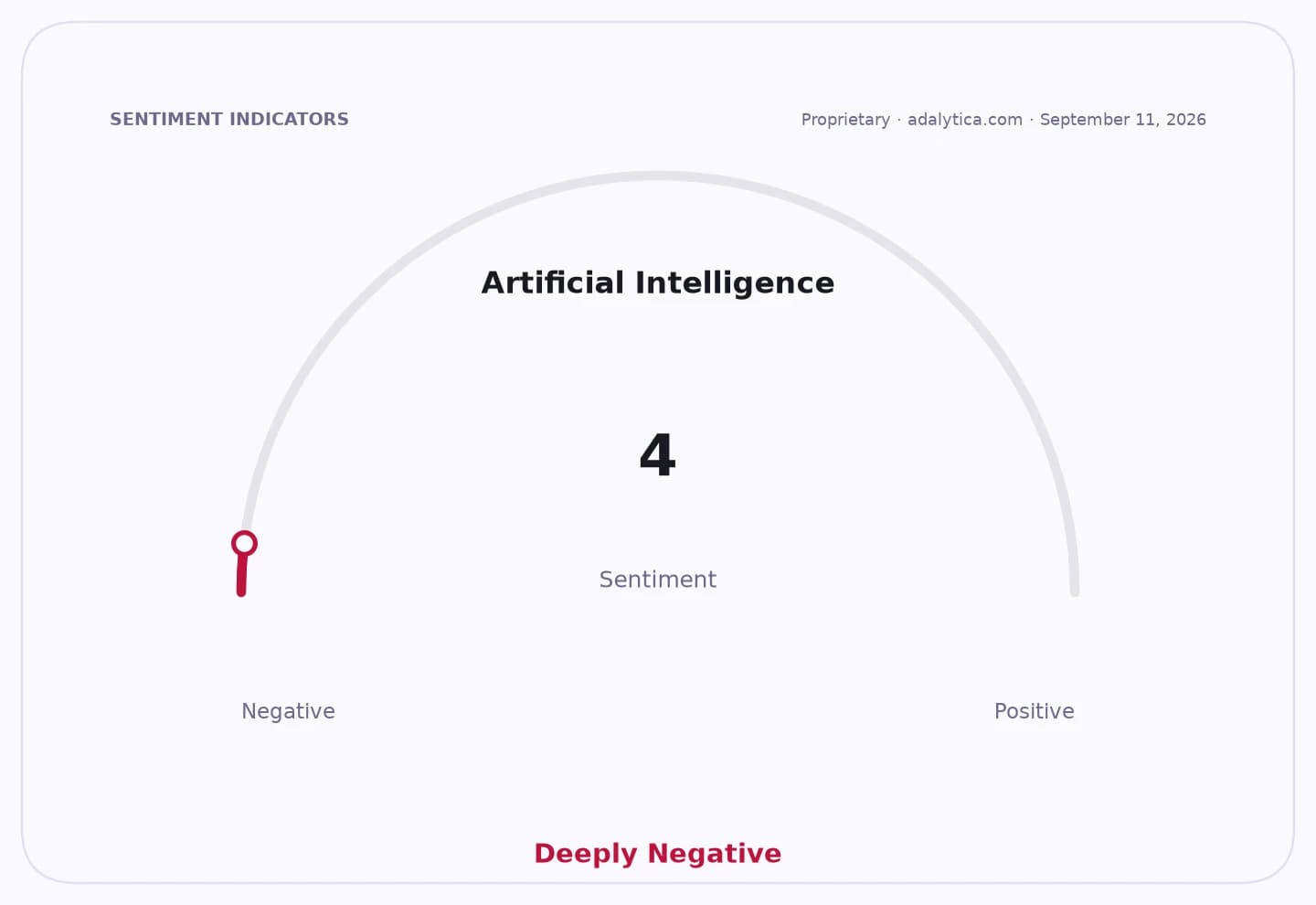
Donald Trump’s apparently AI-edited photo welcoming Xi Jinping is a small political stunt with a much bigger market message: synthetic media is moving from novelty to a credibility problem, and that raises the stakes for every platform, model maker and enterprise that wants AI deployed at scale.
Trump AI-Edited Xi Photo Raises Authenticity Risk
That matters economically because trust is now part of AI’s infrastructure cost. If a sitting U.S. president can post an image that digital forensics experts say likely contains AI-generated changes — from the removed scowl to altered clothing details and even a different shoe in the background — then the line between harmless enhancement and persuasive manipulation gets blurrier by the day. The more realistic these tools become, the more companies will have to spend on provenance, watermarking, moderation, legal review and compliance.
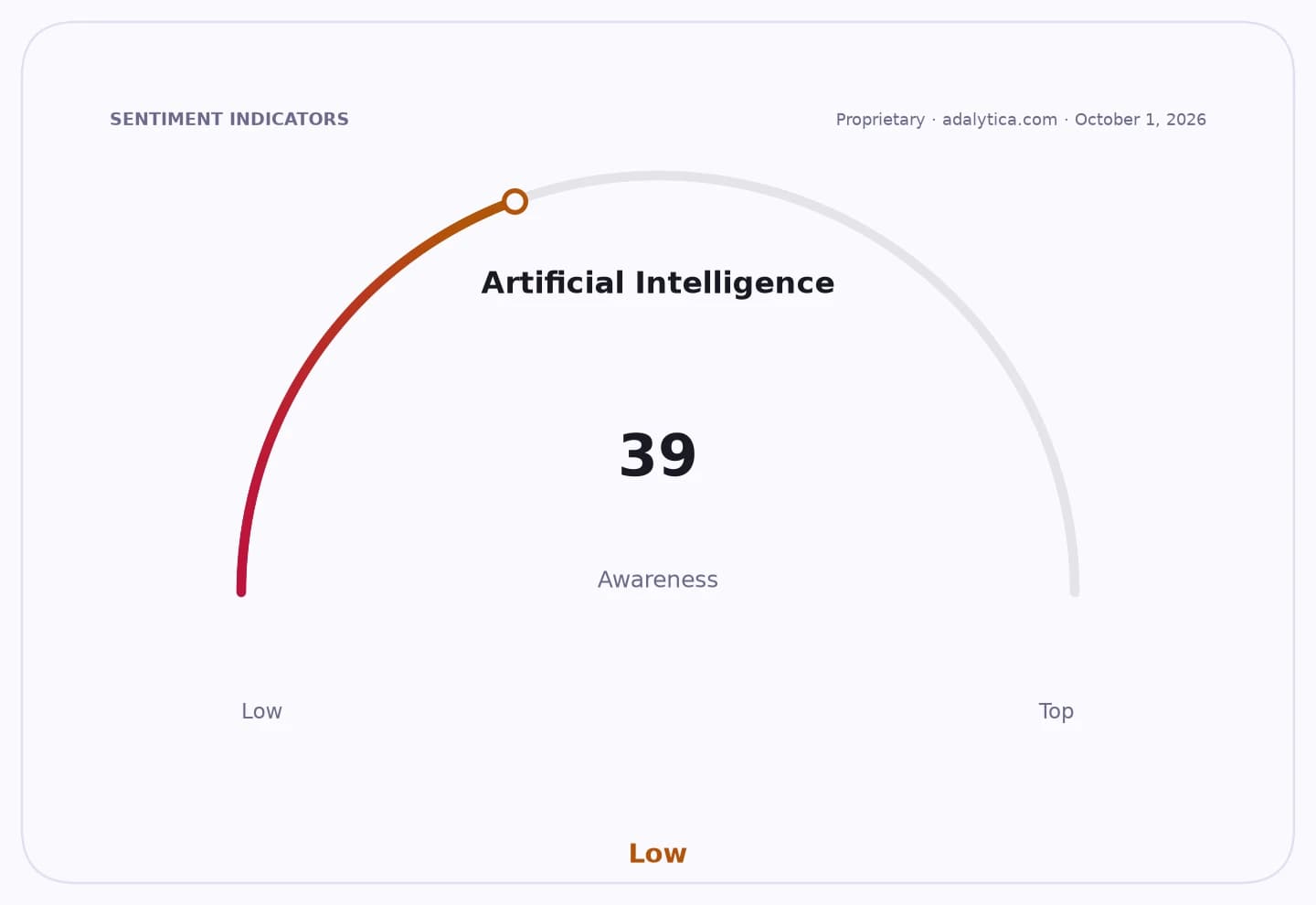
Sentiment IndicatorsⓘProprietary · adalytica.com · October 1, 2026
This is a snapshot — live sentiment, awareness and momentum for 130+ markets update continuously in the dashboard.Open AlphaPulse
For investors, that creates a two-sided trade. The winners are the firms selling the picks-and-shovels of AI governance: content authenticity tools, security software, cloud platforms and model providers that can prove their systems are controlled. The losers are any businesses betting that AI adoption can race ahead without guardrails. Microsoft, Nvidia and others at the center of the AI boom still have powerful secular tailwinds, but the market underestimates how quickly reputational and regulatory risk can become a line item. Microsoft itself has warned in filings that AI systems can create legal liability, litigation and brand harm; that warning looks less theoretical after a high-profile political image turns into a forensic debate.
The broader geopolitical angle is just as important. Trump’s photo was not merely a viral post about Xi; it landed in a fraught U.S.-China backdrop where information warfare, state messaging and digital authenticity already carry strategic weight. When public figures use AI to edit reality for political effect, it reinforces why governments are likely to harden rules around disclosure, traceability and election-related media. That could slow some forms of consumer AI adoption, but it should accelerate spending in verification, cybersecurity and enterprise controls.
The market is still pricing AI mostly as a growth story. I believe it is increasingly a governance story too. The next leg of returns is likely to go to the companies that make AI trustworthy enough to deploy at scale, not just powerful enough to impress on a screen. Investors should treat authenticity, compliance and digital forensics as a secular AI theme, not a side issue.
| Entity | Gains | Losses |
|---|---|---|
| Content authenticity tools | ▲Higher demand | ▼None |
| Microsoft / Nvidia | ▲AI demand remains strong | ▼Higher reputational risk |
| Social platforms | ▲More need for moderation tech | ▼Greater liability pressure |
| Political actors using AI edits | ▲Short-term messaging control | ▼Long-term trust erosion |