Young Chinese women are spending hundreds of dollars to stage romantic photo sessions with male models, turning a niche social-media fad into a small but telling slice of the country’s consumer economy.
China women pay for boyfriend photo sessions
The trend matters because it points to demand shifting away from goods toward paid experiences, emotional services and self-directed indulgence at a time when China’s broader consumer recovery remains uneven. It also highlights how businesses are monetizing loneliness, social pressure around marriage and the appetite for curated intimacy among younger urban women.
In one case cited by local media, lifestyle blogger Xue Dinge paid 4,520 yuan, or about $672, for a 30-minute session with two male models in a studio. Another customer in Chengdu spent 3,000 yuan on a scripted “boyfriend” shoot, while packages at Nanjing-based Mu Zhao Studio range from 7,200 yuan for nine edited photos to 28,000 yuan for a full-day “boyfriend experience” with wardrobe changes and 120 photos.
Those prices are high by China’s standards for a short, highly customized service. But the willingness to pay suggests there is a real market for products that combine aesthetic output with emotional theater. For consumers, the appeal is not the images alone: it is the performance of romance, the feeling of control over the script, and in some cases an escape from family pressure to marry.
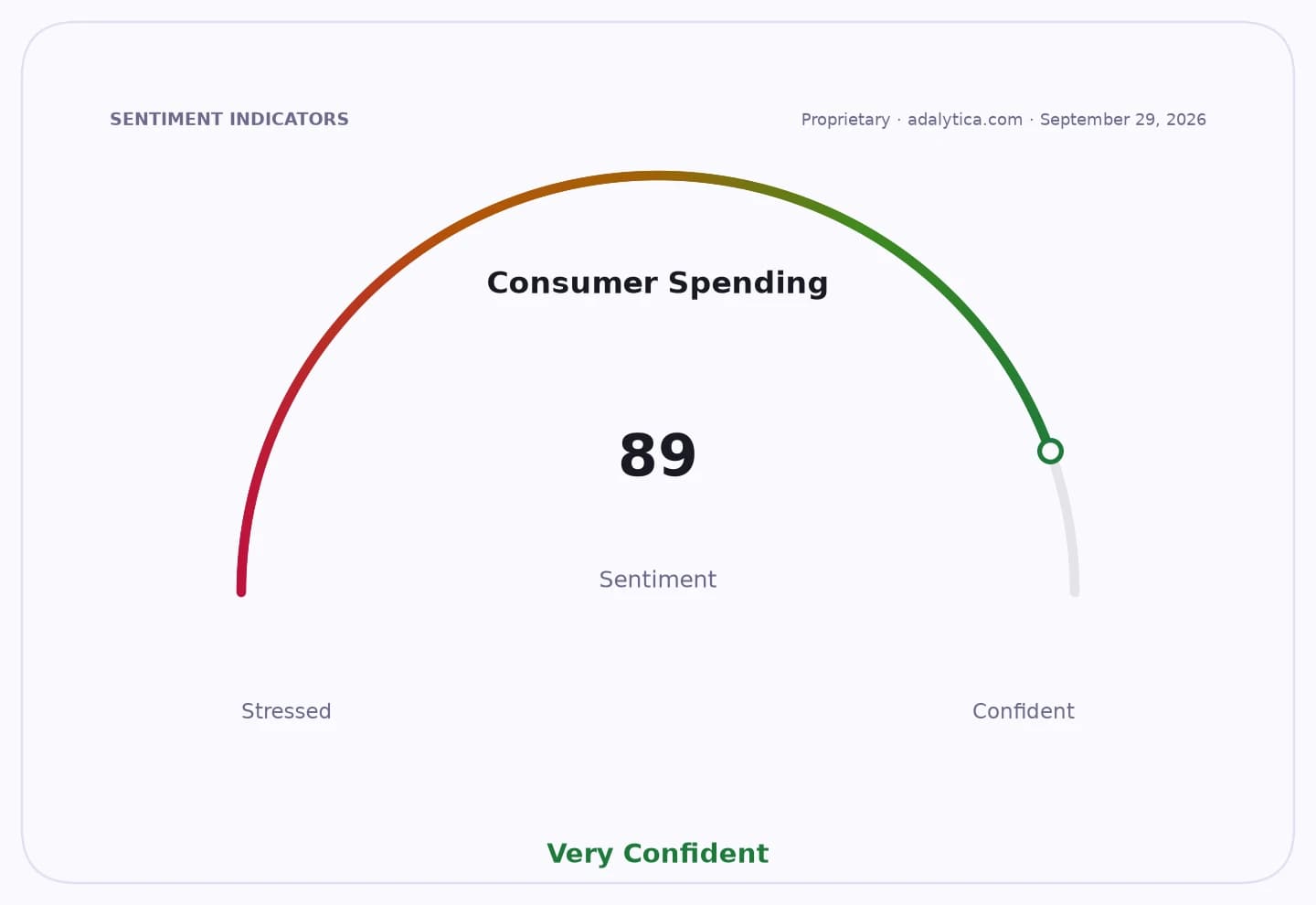
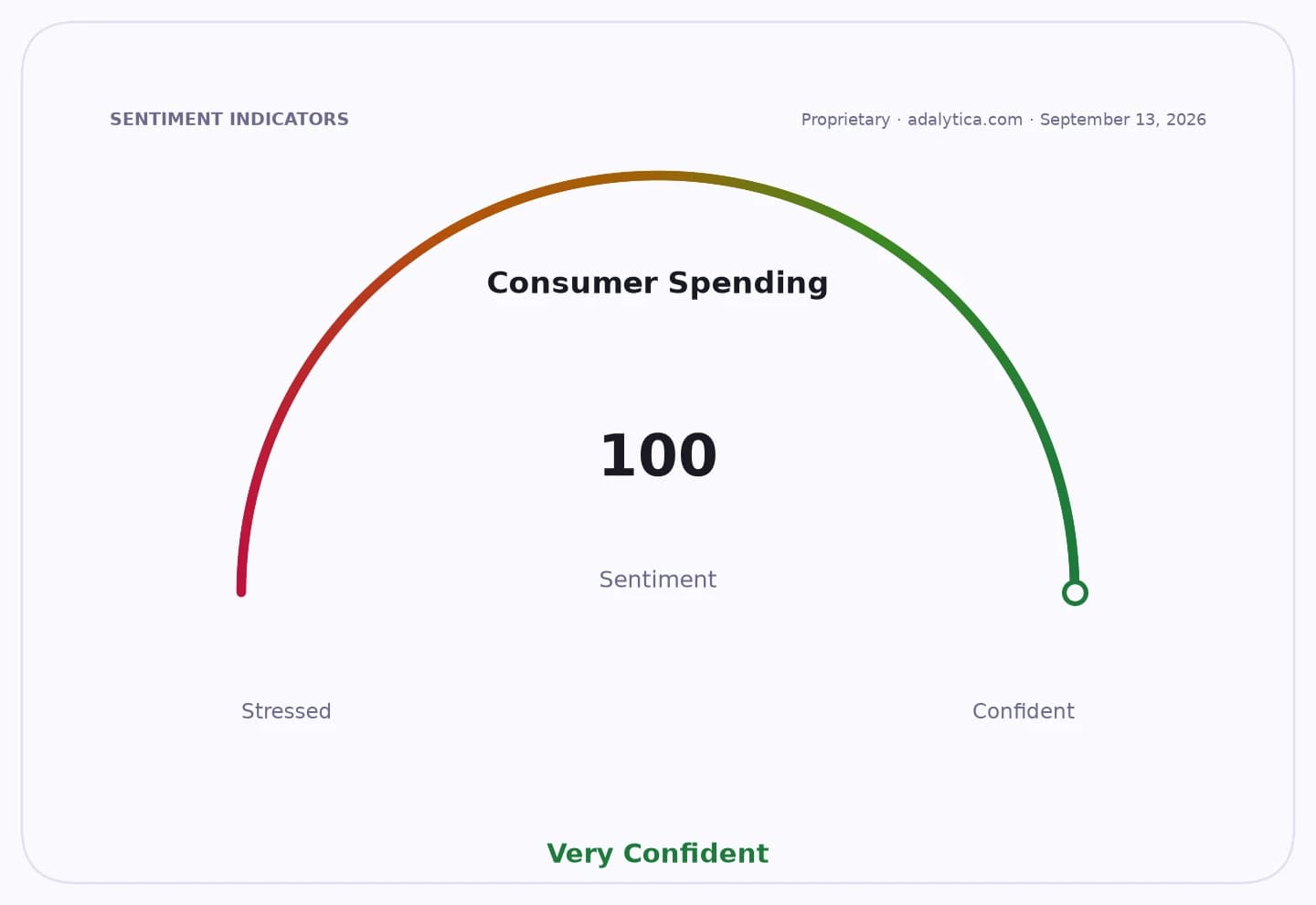
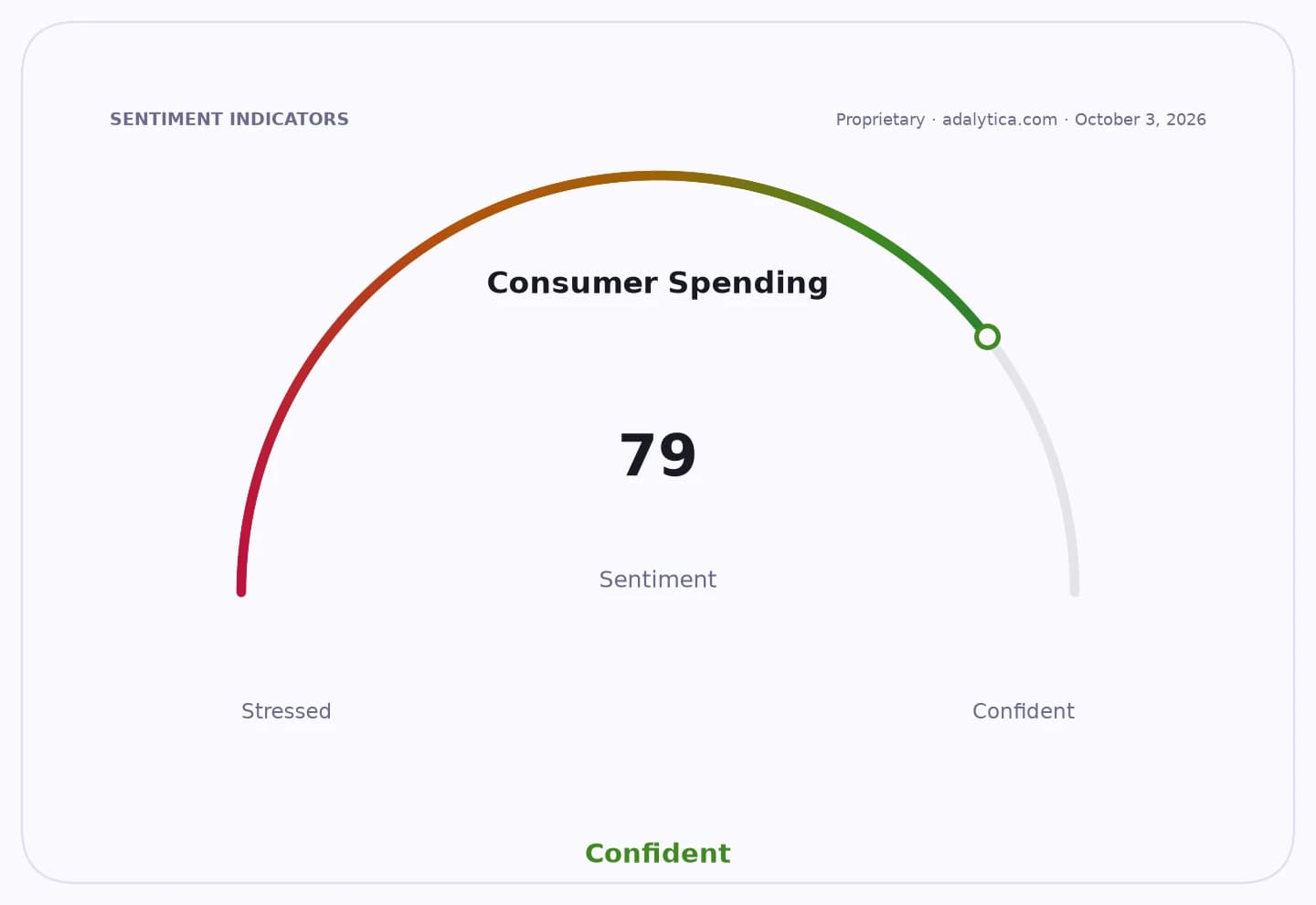
That dynamic fits a broader “experience economy” in which younger consumers increasingly buy curated moments rather than durable goods. In China, where household sentiment has been pressured by property-market weakness and job uncertainty, relatively small discretionary splurges can carry more importance than their ticket size implies. They tell retailers and service providers where demand is still willing to spend.
The economics are also straightforward for creators. Male models, influencers and part-time performers can earn from appearance, physique and social reach, while studios collect fees for styling, photography and editing. For a small business, that can mean attractive margins if the service goes viral on social media and keeps overhead low.
There is also a labor-market angle. As more services become personalized and women-centered, they create income streams in sectors that were once narrowly defined around traditional dating, weddings or male-focused entertainment. The business model depends on packaging intimacy in ways that stay within social norms, which is why studios say they avoid sharing personal contact information between clients and models.
For investors, the story is less about one photography studio than about where consumer spending is migrating inside China. Beauty, leisure, self-presentation, social commerce and premium personal services may continue to outgrow older, commoditized categories if households remain cautious but still willing to spend on identity and experience. The risk is that such demand can be faddish, highly platform-driven and vulnerable to regulation or shifting social norms.
The bigger takeaway is that China’s consumption story is not only about whether people spend, but on what they are willing to spend when confidence is weak. In this case, the answer is not a product or a trip, but a curated fantasy that can be purchased for 30 minutes and posted online.
| Entity | Gains | Losses |
|---|---|---|
| Female consumers | ▲Curated experiences | ▼Traditional gifting budgets |
| Male models and influencers | ▲Appearance-based income | ▼Commodity labor roles |
| Studios and photographers | ▲High-margin niche demand | ▼Mass-market relevance |
| Traditional matchmaking/marriage norms | ▲— | ▼Social influence |